
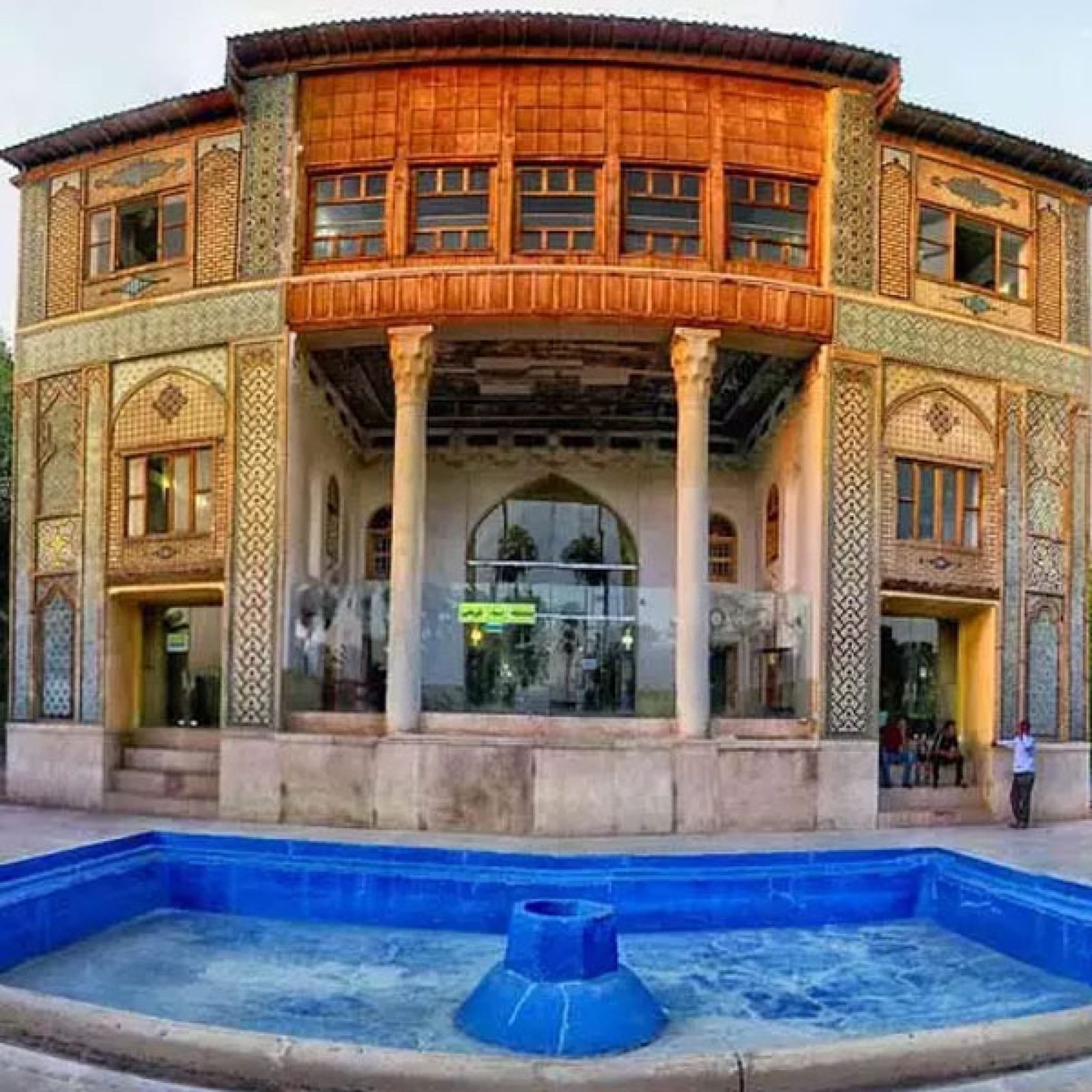
Older than almost anything else on the Iranian calendar, Mehregan opens autumn with pomegranates, gifts and gratitude.
If Nowruz belongs to spring, Mehregan belongs to autumn. Also known as Jashn-e Mehr, it is one of the oldest festivals still celebrated in Iran — a thanksgiving for the harvest, and a celebration of friendship, loyalty and light. For travellers arriving in October, it is one of the loveliest moments to be in the country: the plateau heat has broken, the gardens are turning, and tables everywhere are piled with fruit. In 2024 the ceremony of Mehregan was inscribed on UNESCO's Representative List of the Intangible Cultural Heritage of Humanity, which has given a quiet, home-centred festival some well-deserved international attention.
The 16th of Mehr in the Iranian calendar — usually around 2 October — with celebrations continuing through the month.
The autumn harvest, and Mehr (Mithra), the ancient guardian of friendship, covenant and light.
Strongest among Zoroastrian communities in Yazd and Kerman; also marked in homes in Tehran, Isfahan and Shiraz.
The name comes from Mehr — the Persian form of Mithra, the ancient Iranian divinity associated with the sun, with covenants kept and with affection between people. That double meaning still runs through the festival: Mehregan is at once an agricultural thanksgiving for a gathered harvest and a social occasion for renewing bonds. Where Nowruz is about rebirth and the year ahead, Mehregan is about gratitude for what has already been given, and about the people you owe it to.
Historically it was a grand affair. Court records and travellers' accounts describe Mehregan as one of the two great feasts of the Persian year alongside Nowruz, with tribute, banquets and days of public celebration. Today it is far more intimate — a family gathering rather than a national holiday — but its symbols have survived remarkably intact.
Nowruz asks what the year will bring. Mehregan says thank you for what it already has.
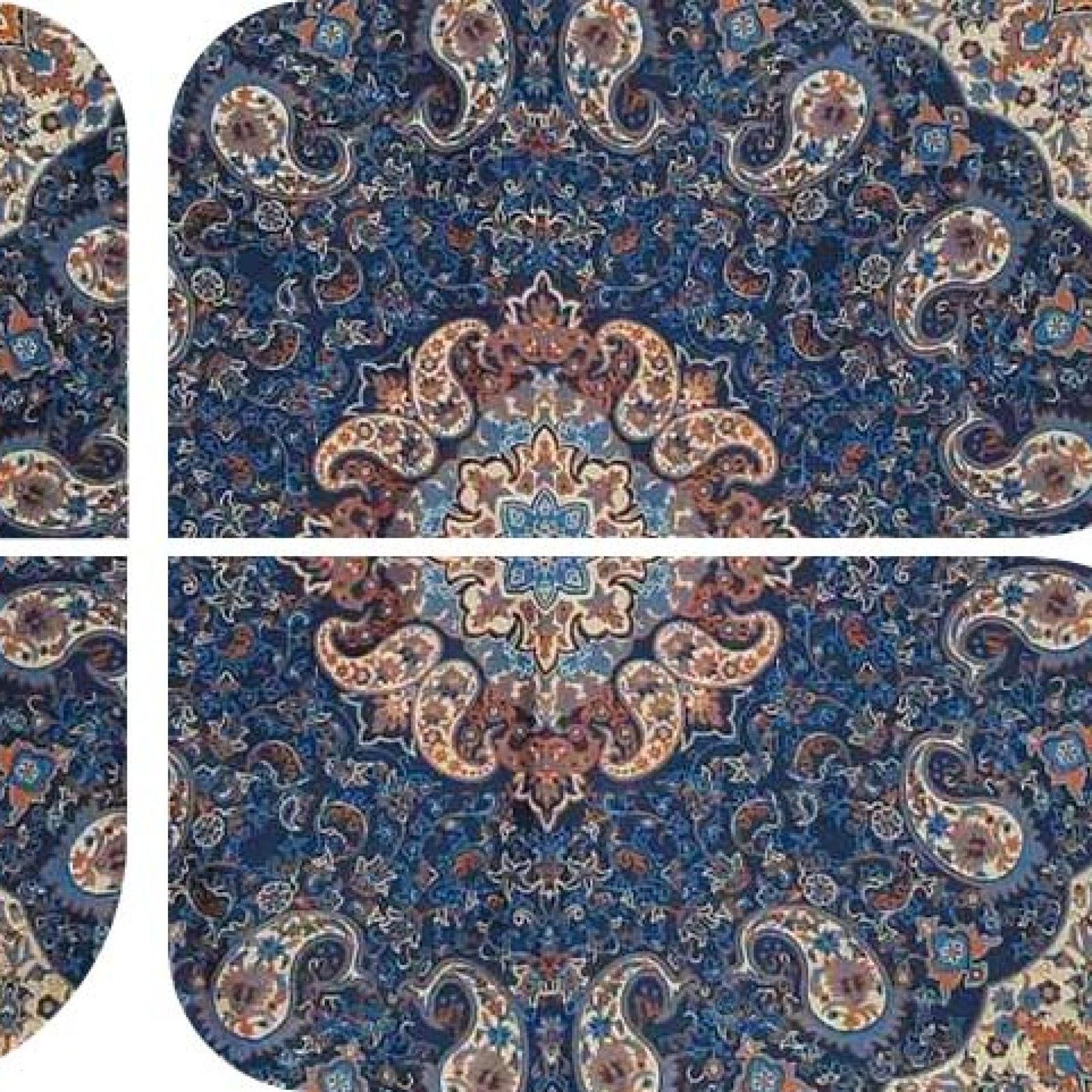
The heart of the celebration is a spread laid out at home, often on a fine cloth in termeh or another woven textile. On it go the fruits of autumn: pomegranates above all, along with apples, pears, grapes, quince, limes and lemons, watermelon, plus rice, wheat, nuts, sweets and rosewater. Some families add a mirror, a lamp or candles, and coloured seeds — often wild rue or lotus seed — that are scattered over guests' heads as a blessing when they arrive.
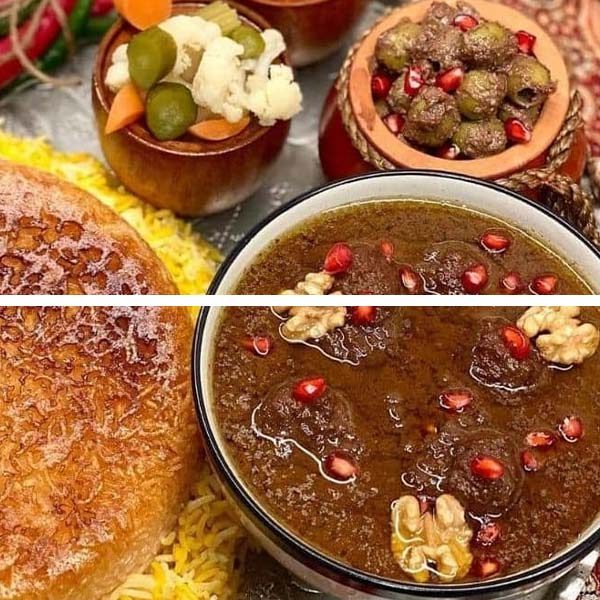
The food follows the season. This is peak fesenjan weather — the slow-cooked stew of walnuts and pomegranate molasses that tastes like autumn itself — served alongside saffron rice, herbs and sweets. Guests dress in something new, embrace, exchange small gifts, and give to those who have less. It is a warm, unhurried, deeply hospitable kind of festival, and if you are invited to a Mehregan table you should absolutely go.
The most continuous living tradition is among Iran's Zoroastrian communities, particularly in Yazd and Kerman, where Mehregan is observed with prayers, communal meals and gatherings at fire temples and community halls. Yazd's old adobe city, its towers of silence and its Atash Behram fire temple make an extraordinary setting for the season, and the desert climate in October is close to perfect.
Beyond the Zoroastrian calendar, Mehregan is increasingly marked as a cultural revival across the country — in family homes, at cultural centres and in restaurants — so the celebration you are most likely to encounter is a private one. Autumn is also simply a superb time to travel the classic route: the gardens of Shiraz in their turning colours, the great square of Isfahan in soft light, and the autumn produce heaped in every bazaar. Our Classic Persia itinerary covers exactly this ground, and a tailor-made trip can be timed to put you in Yazd for the festival itself.
October is one of Iran's two shoulder seasons and one of its best. Expect warm, dry days and cool evenings on the plateau, comfortable desert temperatures, and clear light for photography. Because exact festival dates follow the Iranian calendar and local community arrangements, confirm them when you book rather than assuming a fixed Gregorian date. Bring layers for the evenings, and remember that modest dress applies throughout — our travel FAQ covers what to pack, visas and money in detail. Food-focused travellers may want to pair the trip with our culinary experiences, which are at their richest during the harvest.
Mehregan is a reminder that Iranian hospitality has an ancient grammar: a table set with what the year has given, and people gathered around it. If you would like to be there for it, tell us your dates and we will build a private autumn itinerary around the season — plan my trip.
Published by Arian Tour — Iran travel specialists. Festival dates, community events and opening hours can vary year to year; we confirm everything when planning your trip.
 Plan Your Visit
We will build a private, tailor-made autumn itinerary — harvest tables, turning gardens and the classic cities at their best.