
Gram for gram more precious than gold, saffron is Iran's most storied spice — grown on the high plateau, picked by hand at dawn, and stirred into everything from festive rice to a simple cup of tea.
Few ingredients carry a country's identity the way saffron carries Iran's. Known here as za'faran, and often called "red gold," it is the world's most expensive spice by weight — and Iran grows the overwhelming majority of it, with the country accounting for roughly 90% of global production. To travel through Iran is to meet saffron again and again: glowing in a mound of festive rice, perfuming an after-dinner tea, tinting a scoop of ice cream, or heaped in fragrant crimson piles at a bazaar stall. This is the story of where it comes from and why Iranians treasure it so.
Saffron is the dried stigma of a small autumn-flowering crocus, Crocus sativus, and Iran's dry, sunny plateau suits it perfectly. The heart of production is the northeastern region of Khorasan, where cool nights, warm days and thin desert air draw the deepest colour and aroma from the flowers. Towns such as Torbat-e Heydarieh, Ghayen and Gonabad are household names among growers, while the pilgrimage city of Mashhad has long served as the trade capital of the saffron world. If your journey takes you east, you can fold the region into a wider itinerary through our destinations.
Each purple flower yields just three crimson threads — which is why saffron has always been measured in grams, not handfuls.
What makes saffron so costly is not scarcity of land but the sheer labour of the harvest. For a few short weeks from late October into November, the fields turn violet almost overnight. Pickers — often entire families — head out before dawn, gathering the blossoms while they are still closed and cool, because the delicate stigmas are best protected before the sun climbs. Back home, the flowers are opened one by one and the three red threads inside each are separated by hand, then gently dried. It takes many thousands of flowers to make a single kilogram of finished saffron, every step done by human fingers.
In the kitchen, a pinch goes a long way. Cooks ground the threads and steep them in a little warm water to release a liquid the colour of deep amber, then thread it through their cooking. Saffron crowns Iran's celebratory rice dishes — from the golden crust of tahchin to zereshk polo with its jewelled barberries — and turns up in sweets like the saffron rice pudding sholeh zard, in rosewater-scented Persian ice cream, and in halva. It even flavours everyday moments, dissolved into a pot of tea or a glass of sharbat on a hot afternoon. You can taste your way through these traditions on our culinary Food & Bazaars tour, or dive deeper into Persian flavours through our food-focused experiences.
Saffron's role runs beyond the plate. Its warm colour and scent appear in celebrations and hospitality, and it has been prized for centuries in traditional remedies and even in dyeing fine textiles. For Iranians, offering a guest something touched with saffron is a small act of generosity — a way of saying you are worth the good spice.
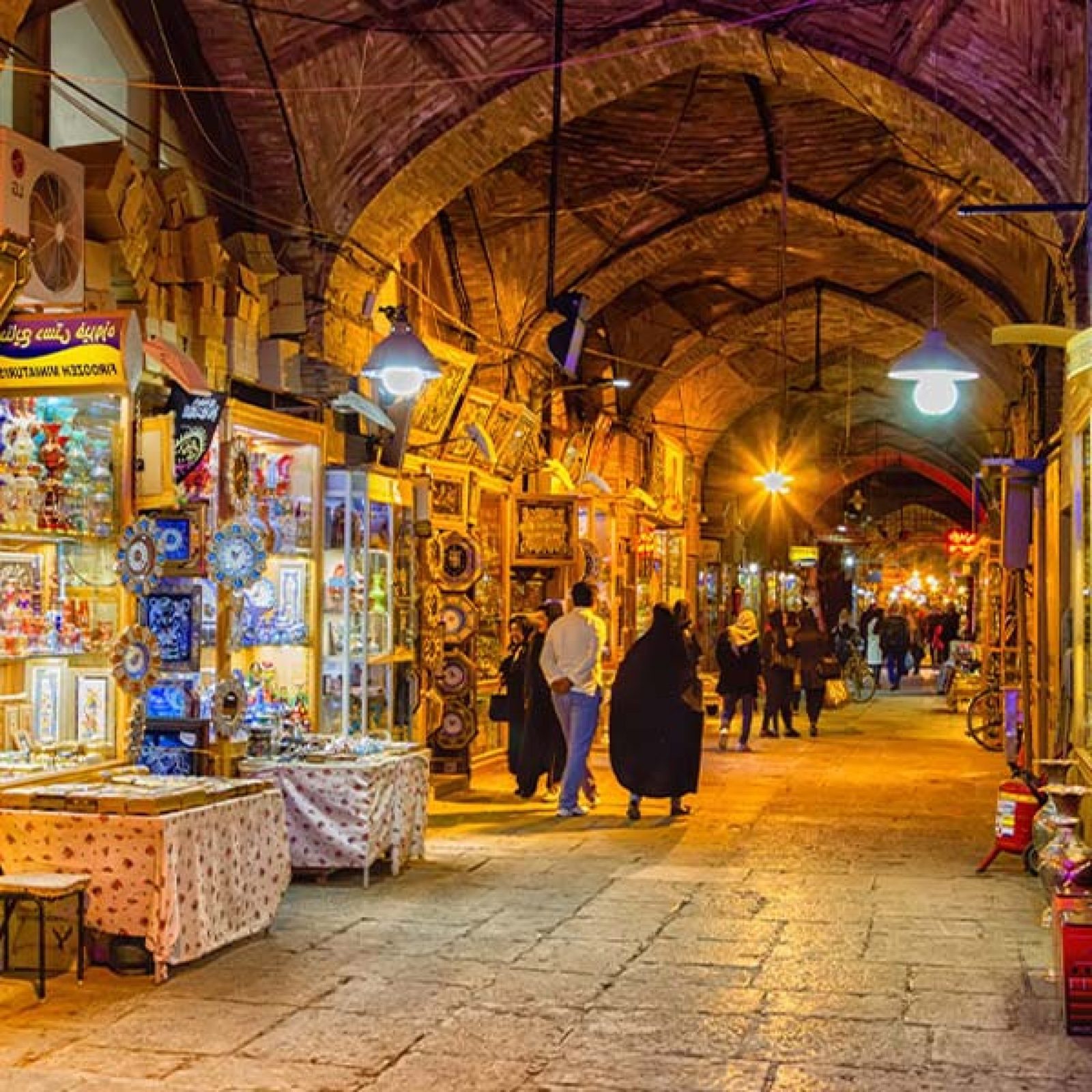
Saffron makes one of the finest and most portable souvenirs you can carry home, and browsing for it is half the pleasure. In the covered bazaars of Mashhad, Isfahan, Shiraz and Tehran you'll find it sold loose or in little sealed boxes; the vendors' craft stalls and spice merchants are a highlight of any wander through the bazaars. Look for threads that are deep red with only slightly lighter tips, a strong honeyed aroma, and avoid anything suspiciously cheap or bright orange throughout. Buy from an established shop, keep it in an airtight tin away from light, and a few grams will flavour your cooking for a very long time. For practical tips on shopping, customs and carrying goods home, see our travel FAQ.
Saffron is Iran distilled into a single thread — patient, precious and quietly generous. Tell us your dates and interests and we'll build a private journey that follows the flavours of Persia, bazaar by bazaar: plan my trip.
Published by Arian Tour — Iran travel specialists. Harvest timing, market prices and shop opening hours vary; we confirm current details when planning your trip.
 Plan Your Visit
We'll build a private, tailor-made itinerary around Iran's food, bazaars and traditions — with saffron at the heart of it.