
Carved walnut, twin iron knockers, tiled arches worn smooth by hands — in Iran, the door is where the story begins.
Travel in Iran and you quickly notice that you are always arriving somewhere. Streets are high-walled and modest; the beauty is kept inward, for the courtyard, the family, the guest. What stands between the two is the door — and Iranian doors are rarely plain. They are carved, studded, painted, framed in tilework, and often fitted with iron knockers that have been answering visitors for two hundred years. Spend a week photographing nothing else and you would still come home with a portrait of the country.
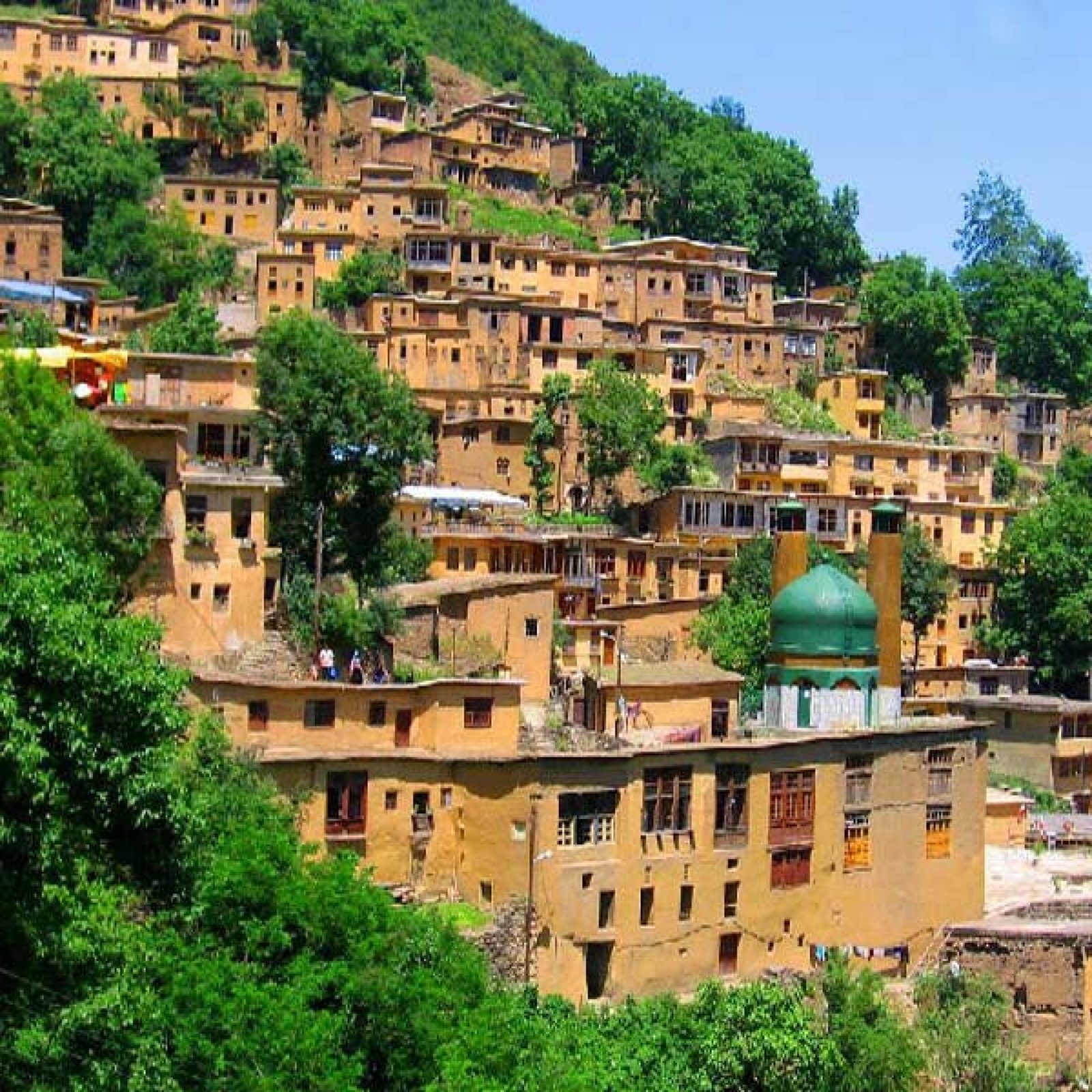
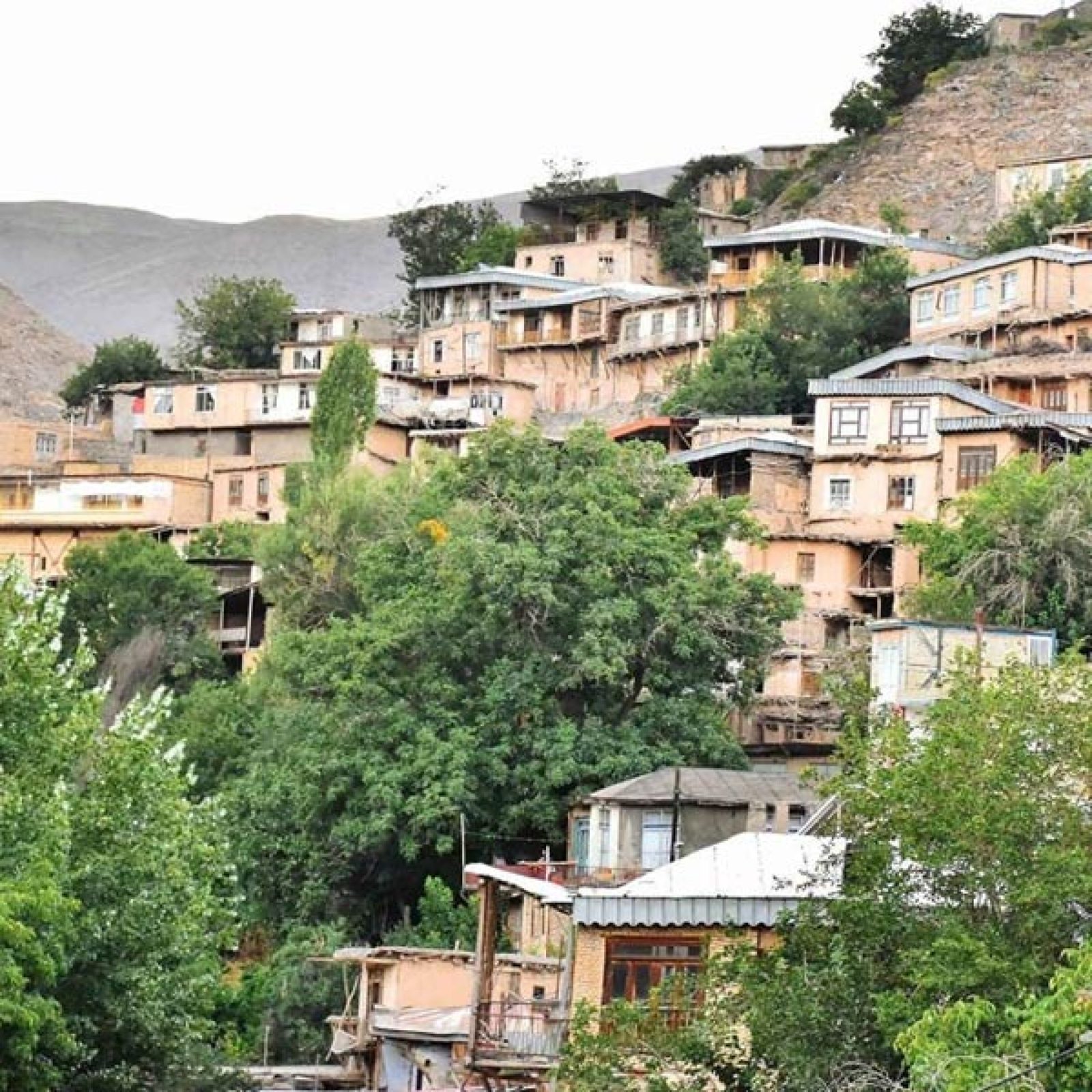
In the old mountain and desert villages — Masuleh in the green foothills of Gilan, Abyaneh below the Karkas range, the stepped lanes of Kang — doors are made of local timber, weathered to silver or still holding a stubborn ochre. Many carry carved inscriptions: a line of poetry, a Qur'anic verse, the name of the family, occasionally the name of the carpenter who made it. Facades in villages like Abyaneh trace back to the Safavid era, and the doors have simply kept being used. You will find these villages threaded through our northern and central destinations.
Look closely at an old house door and you may find not one knocker but two — a heavier one, often long and angular, and a lighter ring-shaped one called a koobeh. The reason is beautifully practical. The two knockers give two different sounds, so the household could tell from inside whether the visitor was a man or a woman, and send the right person to open the door. Many are cast iron and decorated with sunbursts, birds, cypress trees and plant motifs — small pieces of folk metalwork hanging in plain sight on a residential street.
A door in Iran is not a barrier. It is an introduction — and, more often than not, an invitation to tea.
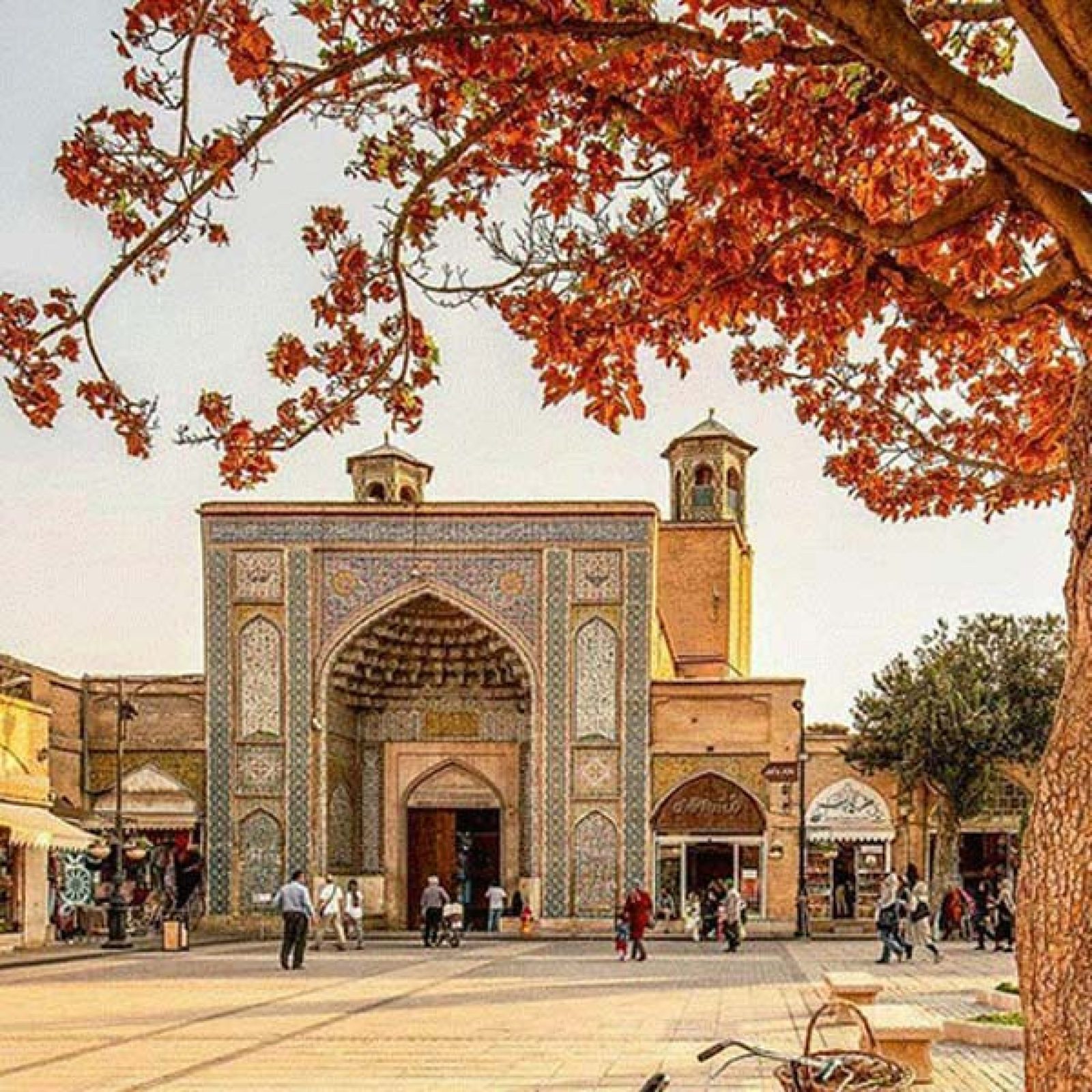
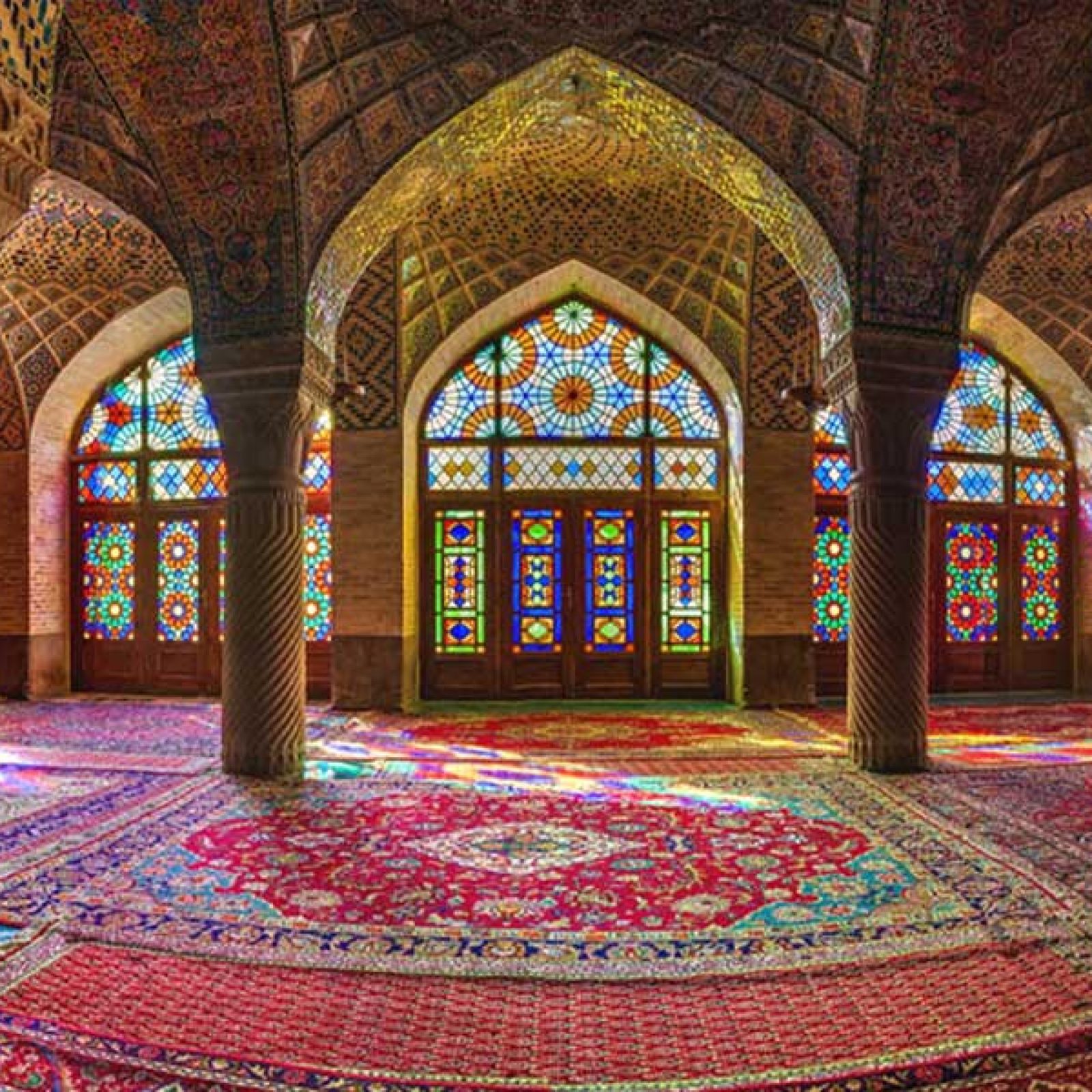
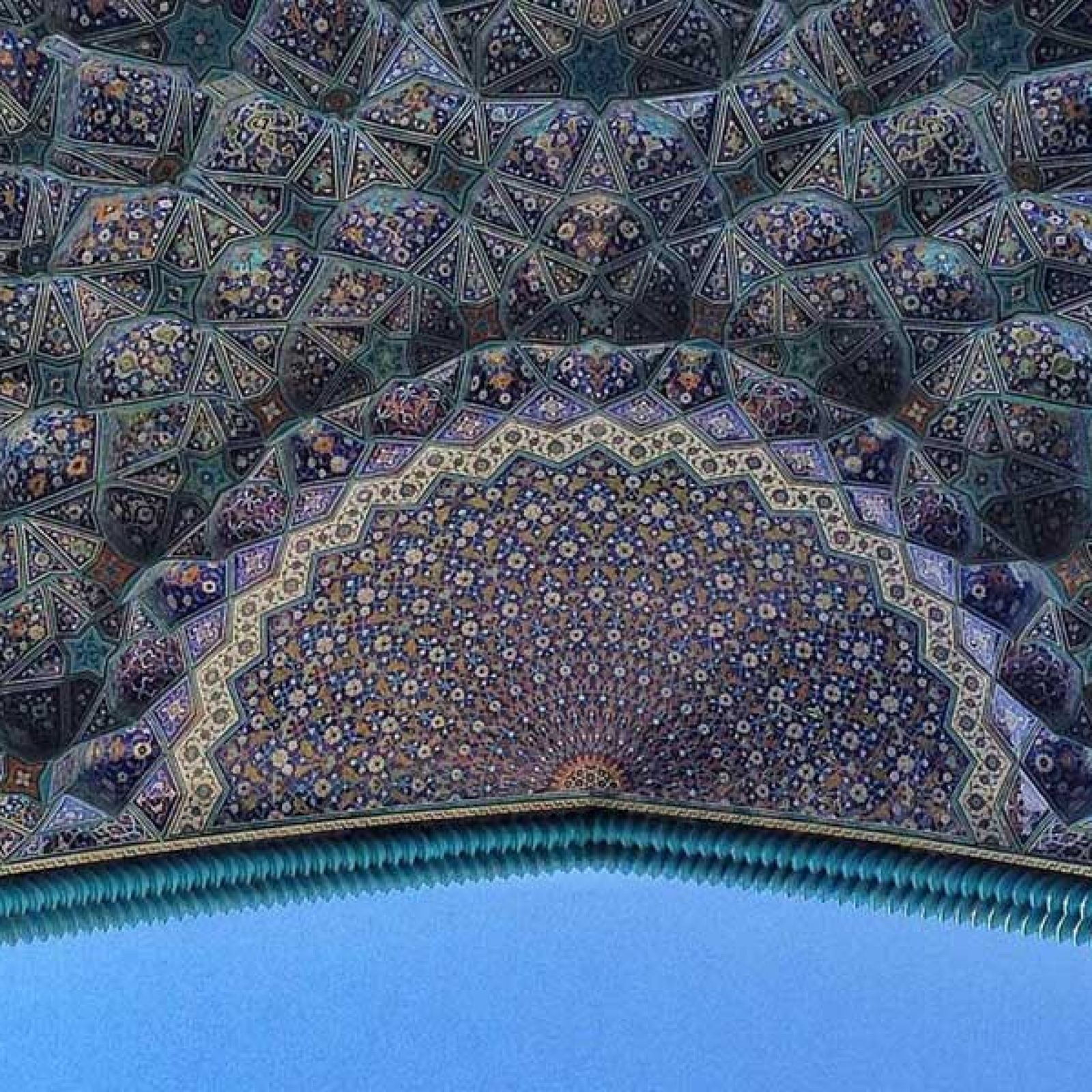
Then there are the grand thresholds. The great mosque and shrine portals — the iwan, a vaulted recess set into a tiled facade — were designed to slow you down before you enter, cool you in their shade, and lift your eyes. Isfahan's royal square is ringed with them; in Shiraz, the modest exterior of the Nasir al-Mulk Mosque gives away nothing about the stained glass burning on the floor inside. These portals anchor our Classic Persia route, and the Isfahan and Shiraz chapters of any first trip.
Doors are one end of a much longer tradition. The same workshops that shaped door panels also produce khatam marquetry, latticed orosi windows and inlaid boxes, and in the bazaars you can still watch it happen: a craftsman bent over a bench, gluing slivers of walnut, brass and bone into star patterns barely a millimetre wide. Meeting these makers is one of the quietest pleasures of an Iranian trip — see our craft experiences and bazaar walks.
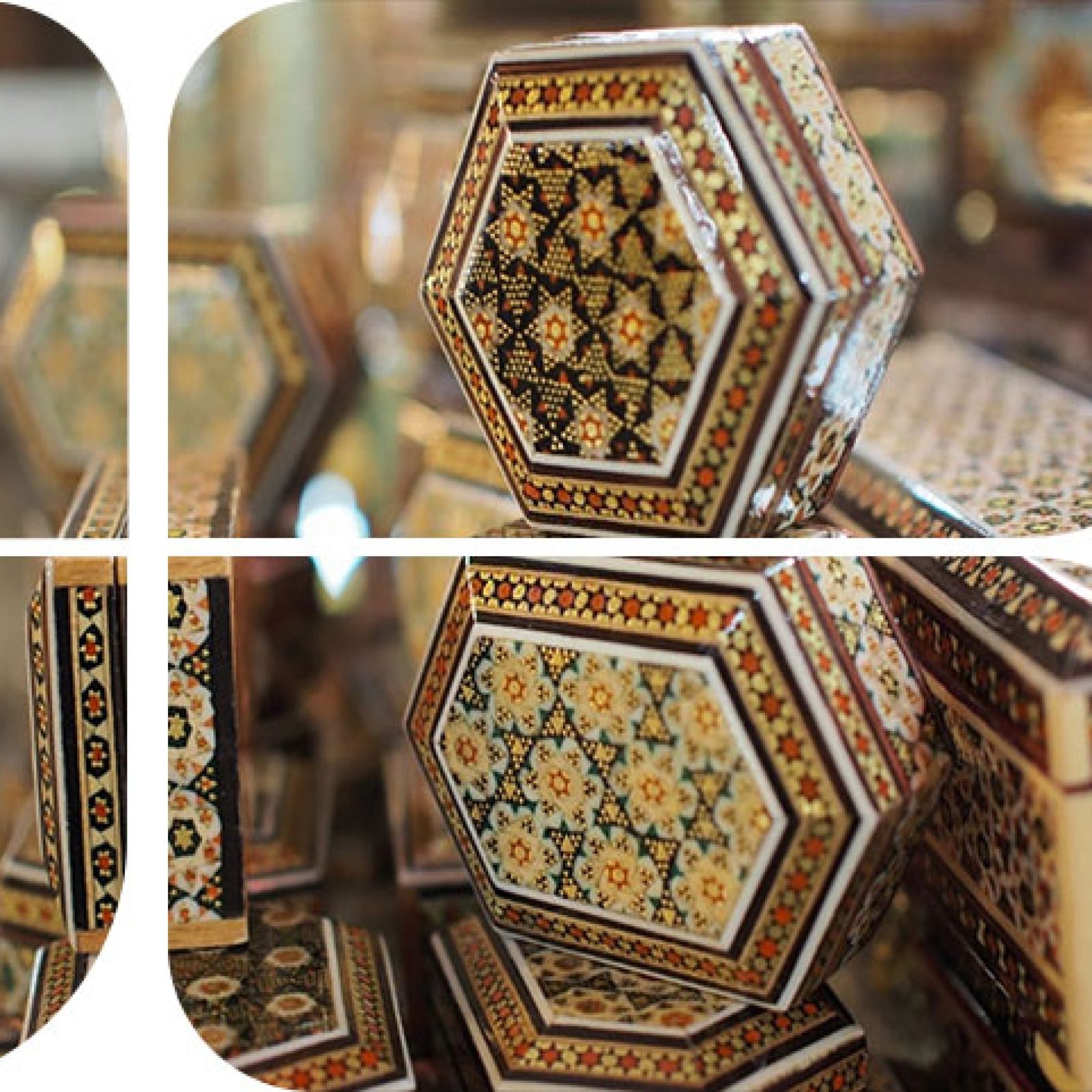
Most of these doors belong to somebody's home. A smile and a gesture towards the camera is almost always enough — and in Iran that exchange has a habit of ending with the door actually opening and an invitation to come in. Go early, when the light rakes low along the lanes and the streets are still quiet; carry a wide lens for portals and something longer for knocker details; and dress modestly, as you would anywhere in the country. Our travel FAQ covers what to wear, when to go and how photography is generally received.
If this is the Iran you want to see — the small, human, hand-made one, found at the end of a lane rather than on a schedule — tell us and we will build the trip around it: plan my trip.
Published by Arian Tour — Iran travel specialists. Access to historic houses, workshops and villages can vary by season and day; we confirm everything when planning your trip.
 Plan Your Visit
A private, tailor-made journey through the villages, bazaars and courtyard houses where the details live.