
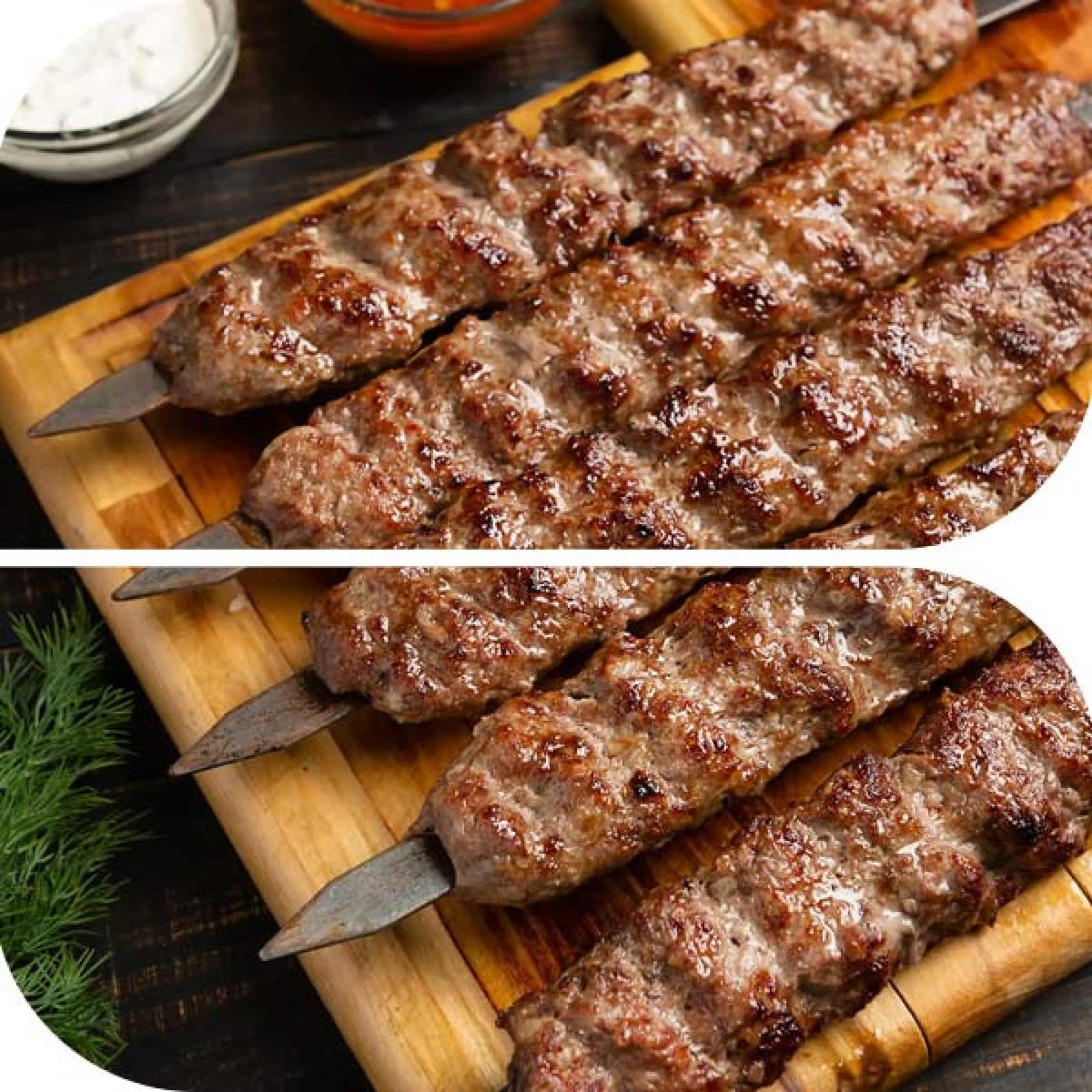
Follow your appetite across Persia — bazaars, saffron and rosewater, slow-cooked stews and street-side sweets, one city at a time.
Iran is one of the great, under-sung food destinations of the world — a place where a single meal can carry the perfume of saffron, the tang of dried lime, the crunch of pistachios and the sweetness of rosewater all at once. This 8-day itinerary threads together five cities that each cook a little differently, running north to south from the capital down to Shiraz. It's paced for real travel: mornings in the markets, long lunches, a monument or two to walk it all off, and evenings when the cities cool and come alive. Every day suggests something specific to taste, but treat it as a menu rather than a rulebook — half the joy of eating in Iran is what you stumble into. Explore the wider country through our destinations, or let us shape this route around your dates as a Food & Bazaars journey.
Land in the capital and settle in. If you arrive with an appetite, ease in gently with a bowl of ash reshteh — a thick, herb-and-noodle soup topped with fried mint, garlic and whey — from a neighbourhood spot. It's the warmest possible welcome to Persian home cooking.
Taste today: ash reshteh, fresh sangak bread, a first glass of Persian tea.
Give the capital a full day. Dive into the sprawling Grand Bazaar, where spice stalls, dried-fruit sellers and tea houses have fed the city for generations, then sit down to dizi (also called abgoosht) — lamb, chickpeas and potato slow-cooked in a stone pot, the broth poured off and sipped first before you pound the rest into a rich paste. Save room for cream puffs and raisin cookies from an old-school confectioner. Wandering the stalls is one of our favourite bazaar experiences.
Taste today: dizi / abgoosht, noon khamei (cream puffs), shirini keshmeshi (raisin cookies).
Drive south to the honey-coloured oasis town of Kashan, famous for its restored merchant houses and, above all, its rosewater. If your timing lands in spring you may catch the golab-giri, the fragrant rose-distilling season; year-round you can still taste its legacy in local pastries. Try koloocheh, soft stuffed cookies, and pick up saffron and rosewater to carry home.
Taste today: rosewater sweets, koloocheh, saffron sourced at the market.
Continue to Isfahan, arguably Iran's most beautiful city and home to one of its most distinctive dishes: beryani, minced lamb spiced with cinnamon, baked and served over flatbread rather than rice — nothing like its Indian namesake. Eat it the local way, folded into bread with fresh herbs, then walk it off around the vast, illuminated Naqsh-e Jahan Square as the evening cools.
Taste today: Isfahani beryani, gaz (pistachio nougat), a sunset tea by the square.
Spend a second day in Isfahan, alternating masterpieces of tilework with masterpieces of the kitchen. Seek out khoresht-e mast, a jewel-like saffron-and-yogurt dish served in small portions, and visit the confectioners who still make gaz, the chewy pistachio-and-rosewater nougat the city is known for. The bridges over the Zayanderud make a lovely after-dinner stroll.
Taste today: khoresht-e mast, more gaz, saffron ice cream (bastani).
Cross into the desert to Yazd, a mud-brick city of wind-towers and one of Iran's great confectionery capitals. This is the place for qottab, deep-fried almond-filled pastries dusted with sugar, and for local baklava. If it's on the menu, try ash-e shooli, a tart Yazdi herb soup, and finish the day watching the sunset from a rooftop over the old town.
Taste today: qottab, Yazdi baklava, ash-e shooli.
Make for Shiraz, the city of poets and gardens. Its kitchens lean fresh and herby: try kalam polo, fragrant rice with cabbage and tiny meatballs, and the rich walnut-and-pomegranate stew fesenjan. Then cool off with faloodeh, Shiraz's beloved frozen dessert of thin starch noodles in rosewater, sharpened with lime — a taste the city has perfected for centuries.
Taste today: kalam polo, fesenjan, Shirazi faloodeh.
On your final morning, browse the atmospheric Vakil Bazaar for spices, dried limes and pistachios to take home, then sit down to one last leisurely Persian lunch before your onward flight. You'll leave with a spice box, a few recipes and a very different idea of what Iranian food can be.
Taste today: a farewell chelo kabab, plus spices and saffron for the journey home.
Persian food is a cuisine of balance — sweet against sour, herb against meat, crunch against soft — and it changes character with every city you enter.
Eat where locals eat: traditional teahouses and family-run restaurants almost always beat hotel dining rooms, and bazaars are the best place to graze between meals. Come hungry to breakfast — Iranian mornings feature fresh bread, feta, honey, walnuts and sometimes halim (a savoury wheat-and-meat porridge). Vegetarians are well looked after thanks to a deep tradition of herb stews, bean soups and eggplant dishes. And always leave space for tea: it punctuates every meal and every conversation. For practical questions on money, dining etiquette and dietary needs, see our travel FAQ, and browse more hands-on tastings among our food experiences.
This 8-day route is a starting point, not a fixed menu — we can stretch it to include cooking classes, home dinners with local families, or a detour to the Caspian for its rice and smoked fish. Tell us your dates and your tastes, and we'll build a private, unhurried culinary journey around you: plan my trip.
Published by Arian Tour — Iran travel specialists. Regional dishes, seasonal ingredients and opening hours vary; we confirm the details when planning your trip.
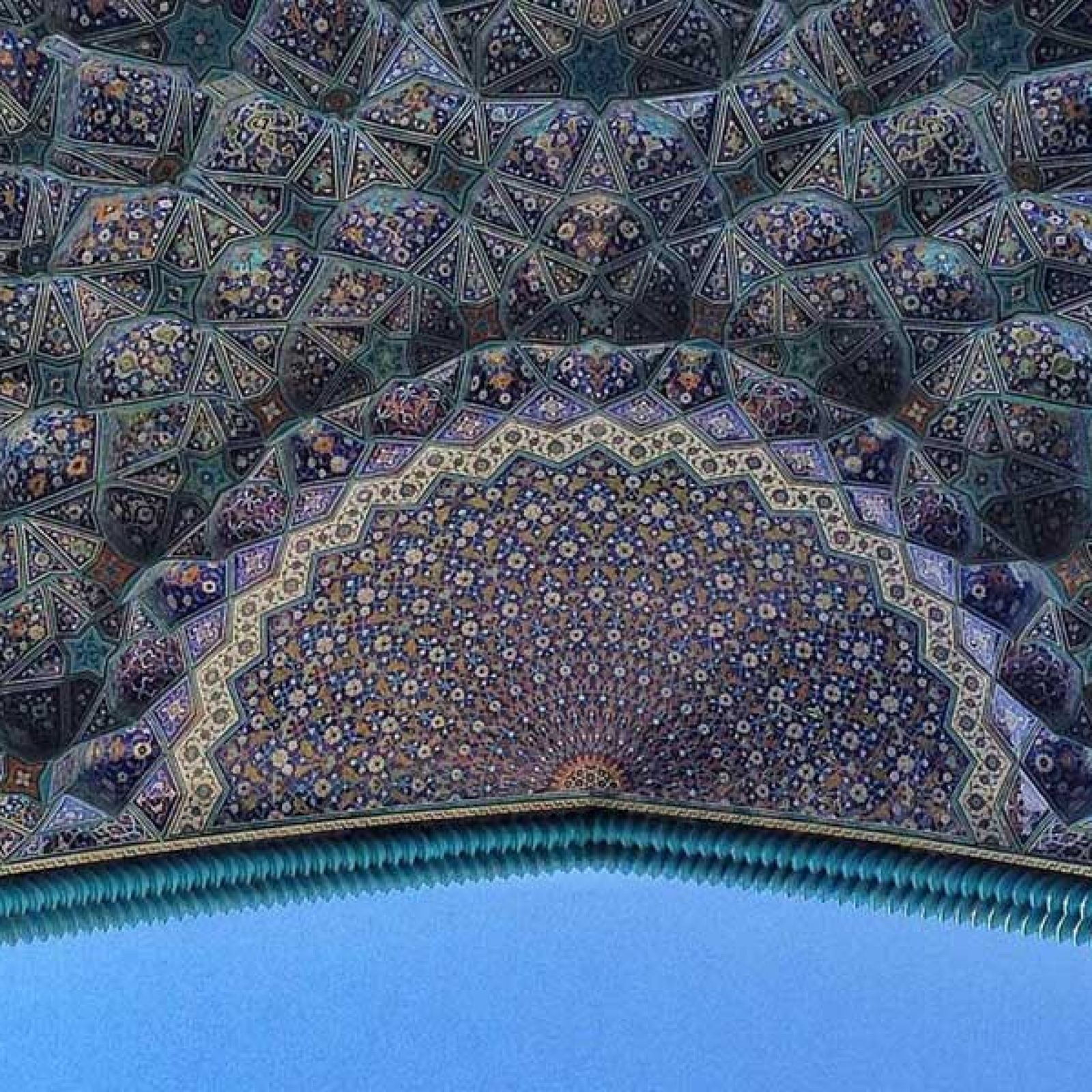 Plan Your Visit
We'll build a tailor-made food itinerary — bazaars, home kitchens and regional specialities, city by city.