
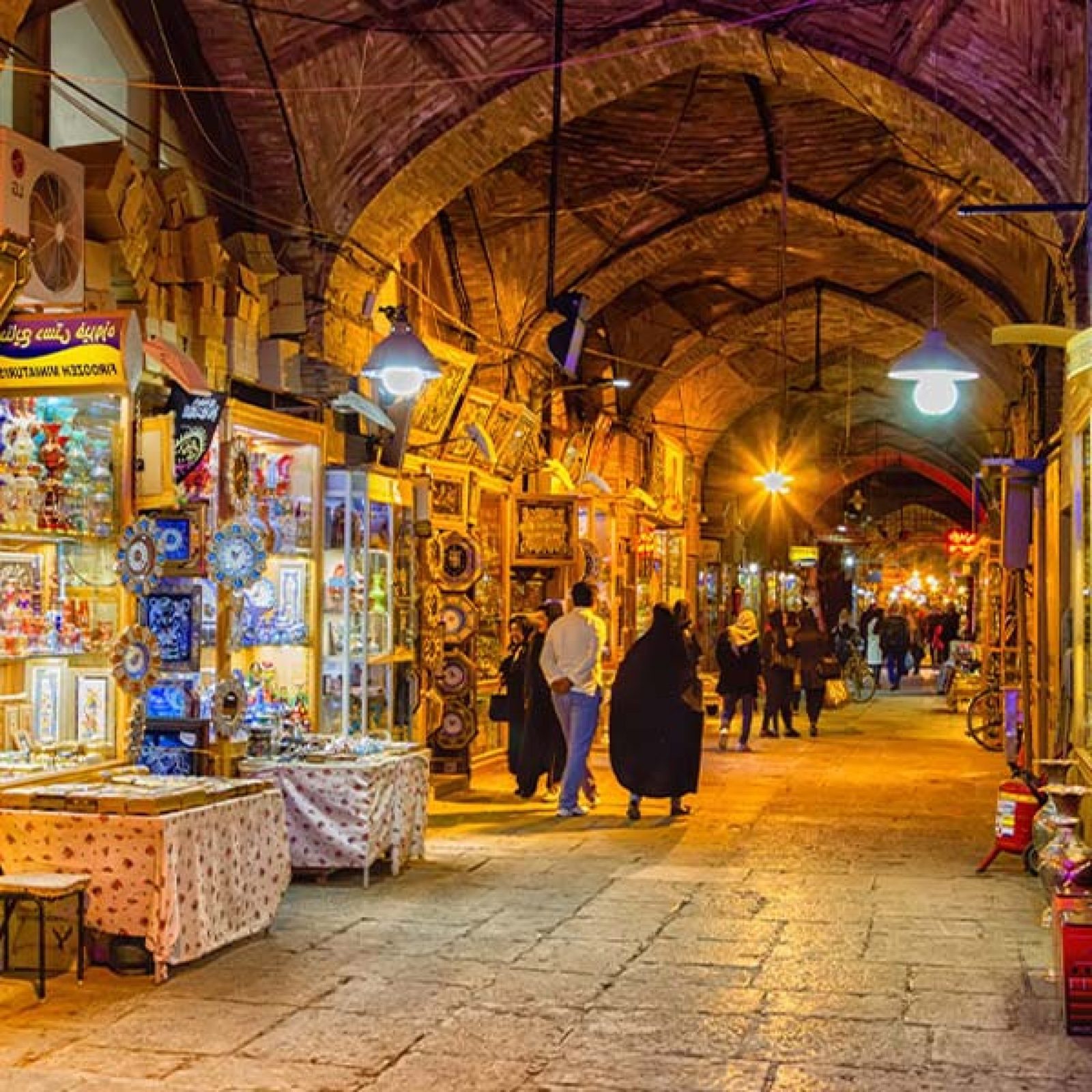
Vaulted brick corridors, shafts of skylight, the clatter of coppersmiths and the scent of saffron — Iran's historic bazaars are living museums you can shop, eat and wander your way through.
In Iran the bazaar is far more than a market. For centuries it has been the beating heart of the city — part shopping street, part trading hall, part social club — laced with mosques, teahouses, caravanserais, bathhouses and schools all under one continuous vaulted roof. Sunlight falls in dusty beams through domed skylights, the air shifts from spice to leather to fresh bread as you walk, and the rhythm of bargaining has barely changed in five hundred years. These covered cities of commerce are some of the most atmospheric places to experience everyday Iran, and most sit right beside the country's headline monuments. Here are seven of our favourites and what to seek out in each.
A labyrinth of corridors said to stretch well over ten kilometres in total, Tehran's Grand Bazaar is the commercial engine of the capital and one of the most overwhelming, exhilarating markets in the Middle East. Each lane has its speciality — carpets, gold, copperware, fabric, spices — punctuated by mosques, banks and busy lunch counters. Come hungry, follow the crowds to a tucked-away dizi (lamb stew) joint, and let yourself get pleasantly lost. It's the perfect first taste of the country at the start of a trip through our Tehran highlights.
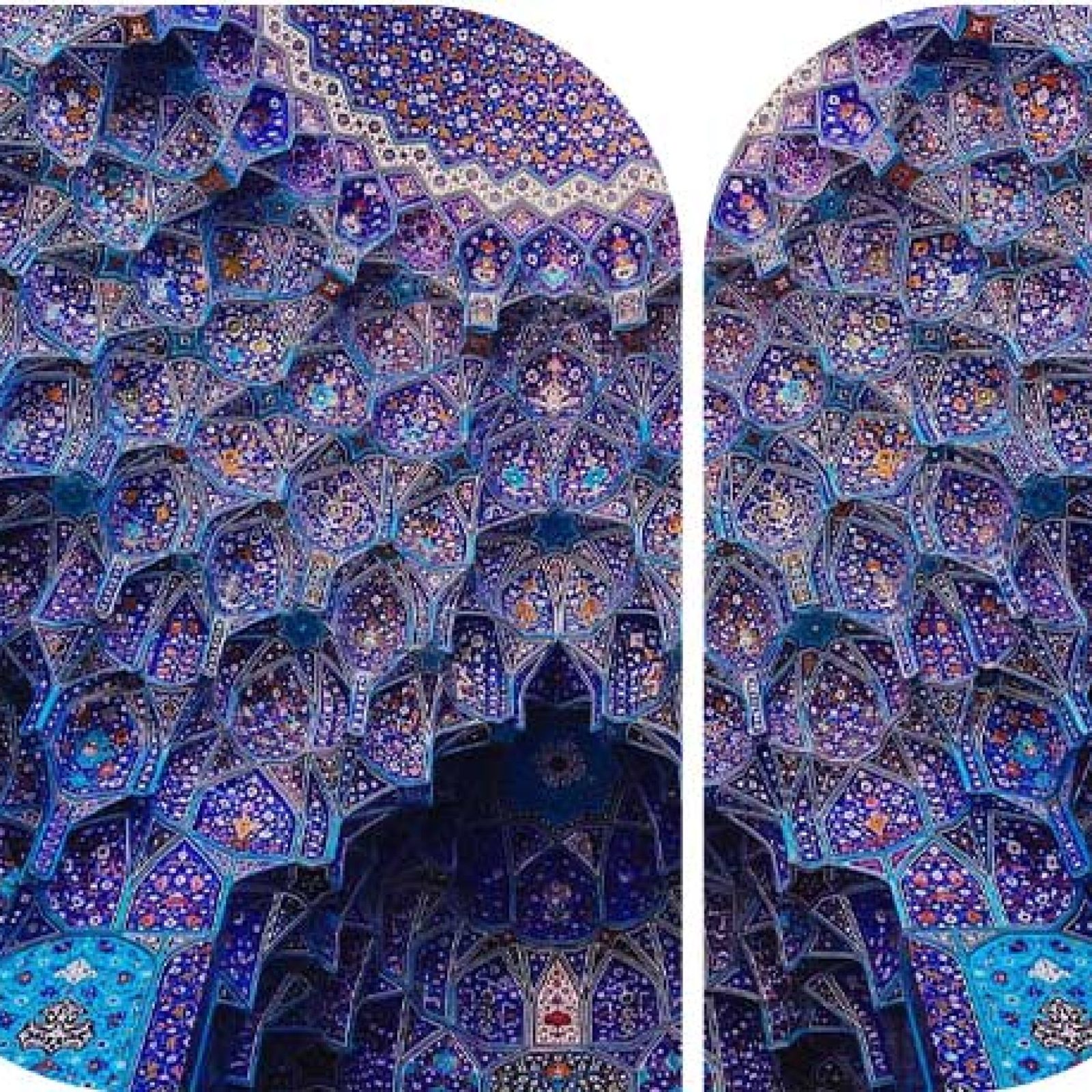
Inscribed by UNESCO in 2010, the Tabriz Historic Bazaar Complex is one of the oldest bazaars in the Middle East and among the largest covered marketplaces in the world. A masterwork of interlocking brick domes, it was one of the most important trade and cultural hubs on the Silk Road between the 12th and 18th centuries — a crossroads even Marco Polo passed through. Wander its timchehs (domed halls) and you'll still find Tabriz's renowned carpet trade in full swing. It's a natural anchor for exploring Iran's northwest beyond the usual northern circuit.
Entered through a grand painted gateway on the northern side of Isfahan's Naqsh-e Jahan Square, the Qeysarieh Bazaar was one of the most luxurious trading centres of the Safavid era, laid out in the early 1600s. Today its roughly two-kilometre vaulted spine remains the home of Isfahan's celebrated craftspeople: this is the place to watch artisans hammering miniatures into copper, painting enamel and inlaying khatam woodwork. Pair it with the square's great mosques for one of the finest half-days in Iran, and browse more handmade treasures among our craft experiences.
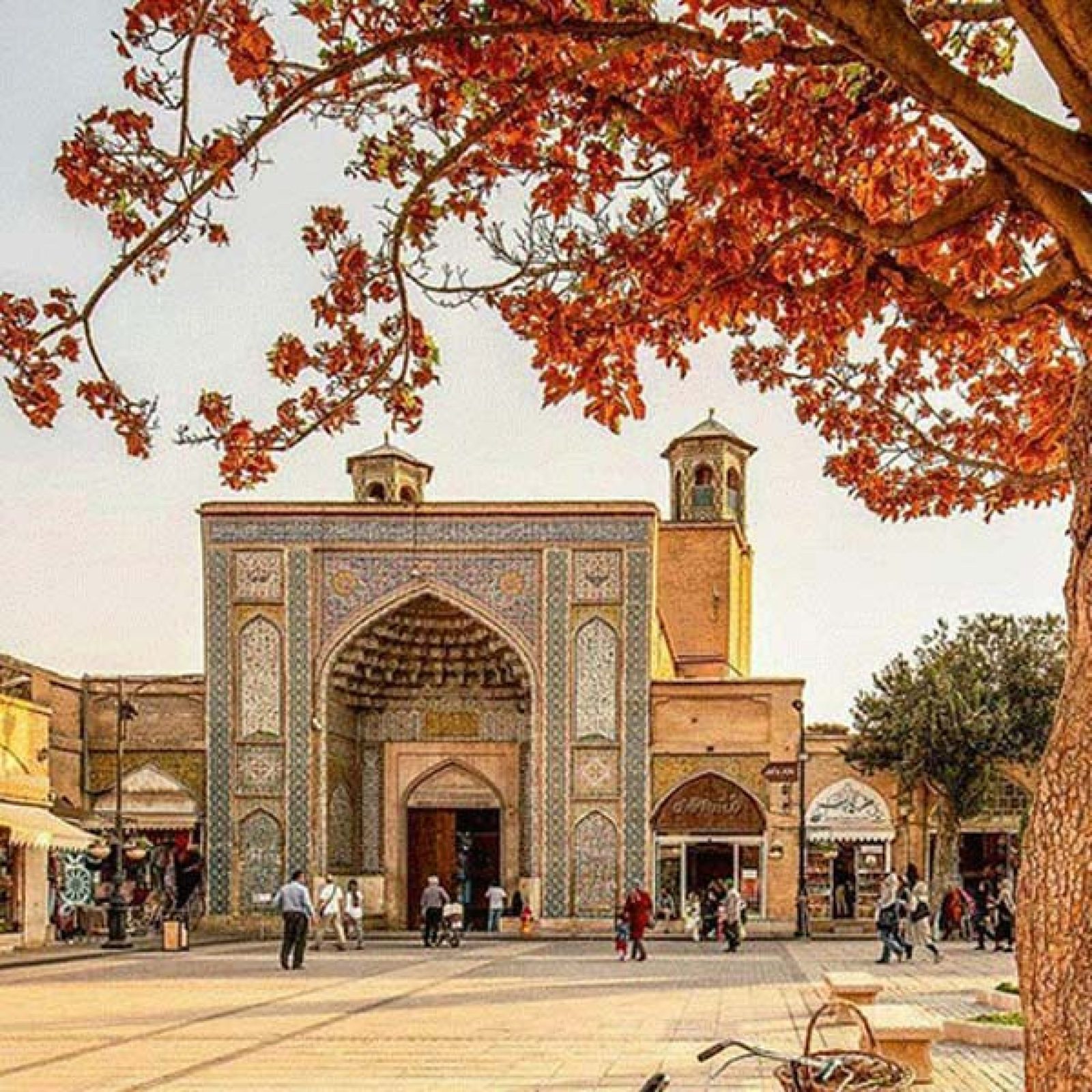
Commissioned by Karim Khan Zand in the 18th century, the Vakil Bazaar is the elegant centrepiece of old Shiraz. Its high brick vaults stay cool through the southern heat, sheltering stalls of carpets, spices, copper and the city's famous handicrafts. Hidden among the lanes are leafy caravanserai courtyards and traditional teahouses where you can pause over a glass of cardamom tea. With the Pink Mosque and Karim Khan citadel a short stroll away, it's the most rewarding bazaar to simply browse — and a highlight of our Food & Bazaars journeys.
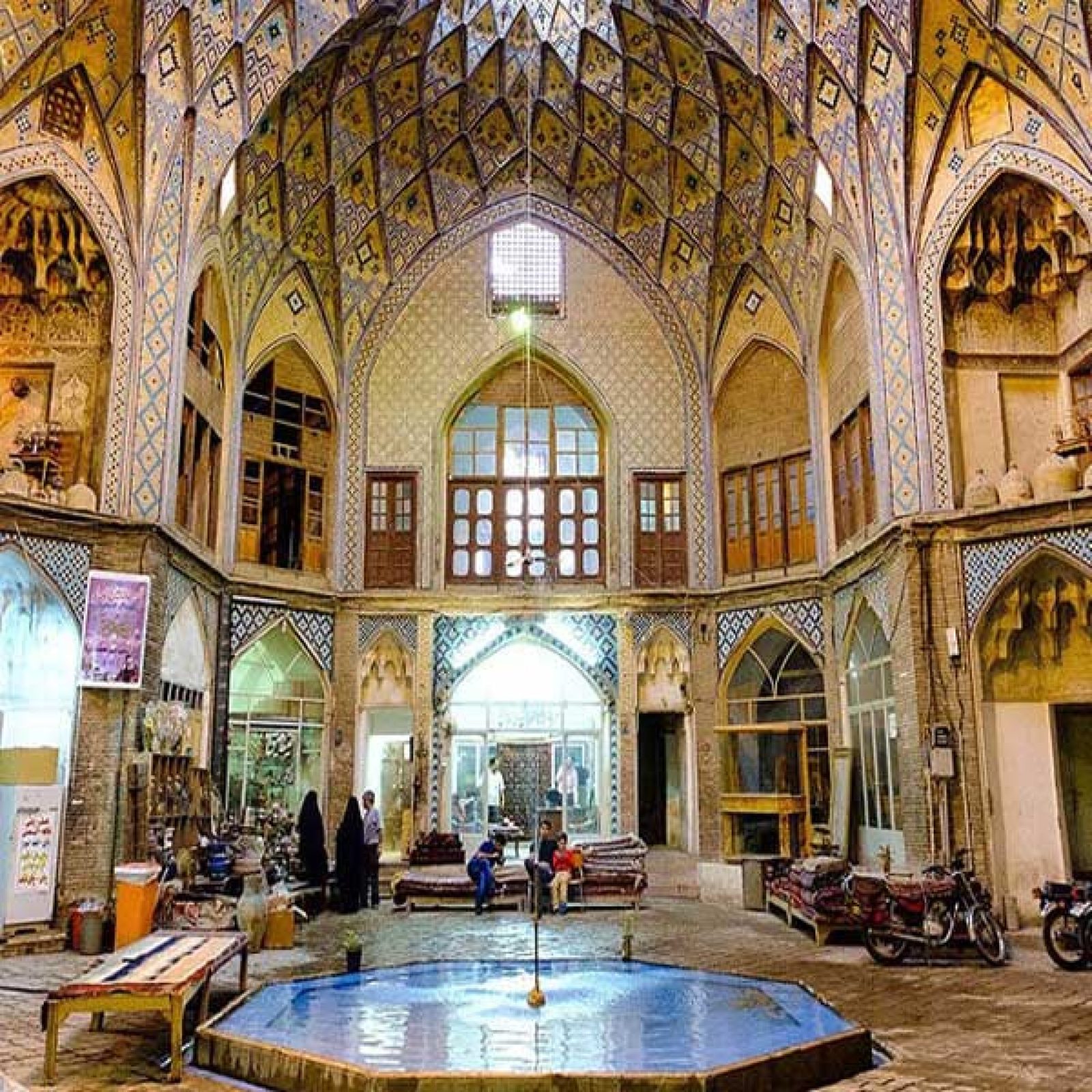
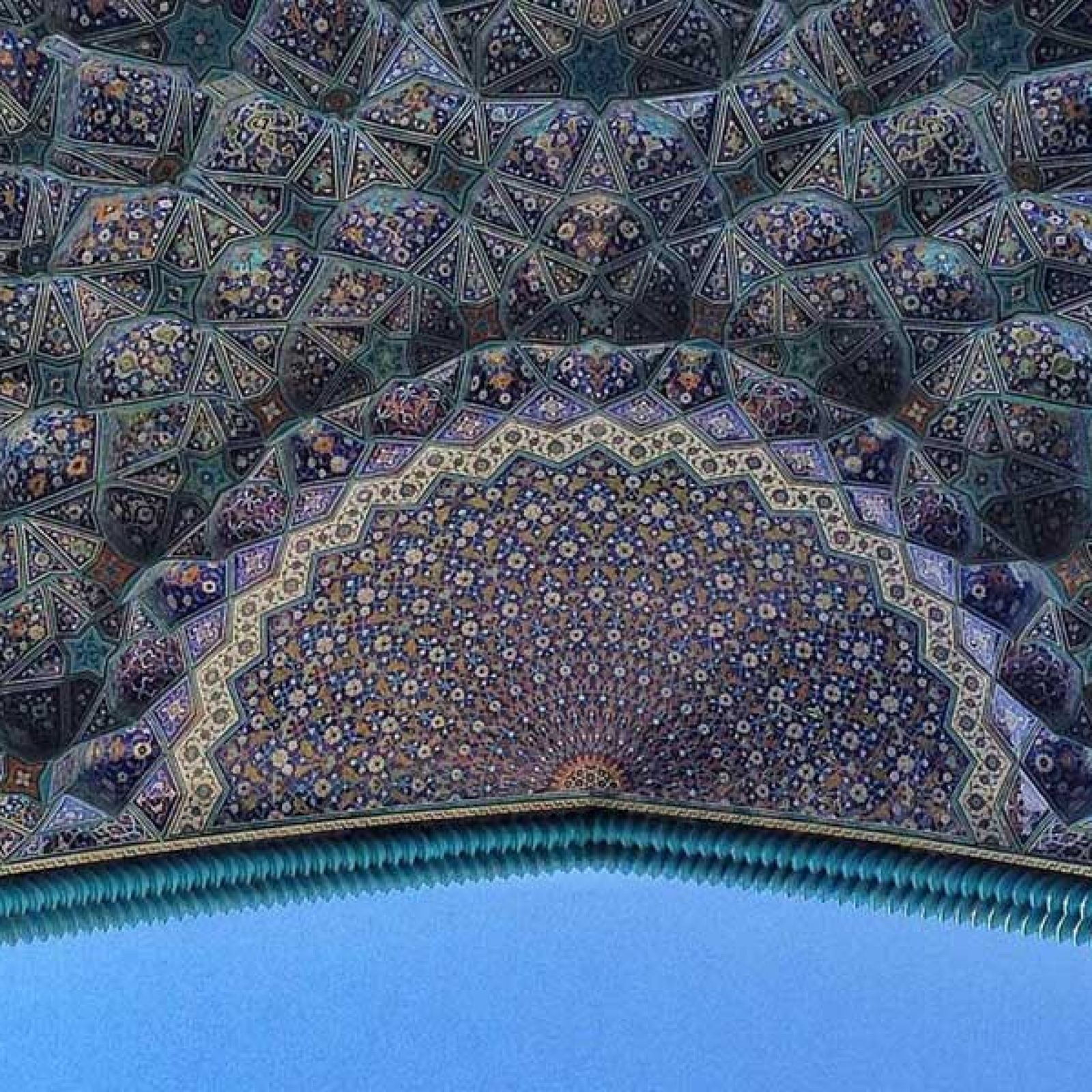
On the edge of the central desert, the historic bazaar of Kashan is a quieter, more architectural pleasure. Its showpiece is the Timche-ye Amin od-Dowleh, a soaring domed hall whose honeycombed ceiling is pierced with skylights that drop pools of light onto the floor below — one of the most photographed interiors in Iran. Linger over rosewater, copper and textiles, then visit Kashan's restored merchant houses nearby. It's a classic stop on the desert road between Tehran and Isfahan, and slots neatly into our classic Persia route.
Anchoring the desert city of Kerman, the Ganjali Khan complex is a beautifully preserved Safavid ensemble of bazaar, square, bathhouse, mosque and caravanserai built in the early 17th century. The covered lanes here have a gentle, unhurried feel, famous for Kerman's prized carpets, cumin and pistachios. Sip tea in the old bathhouse-turned-teahouse, then push on to the bazaar's spice and copper sections. Kerman makes a great gateway to the dunes and oases of our desert and oasis journeys.
In the mud-brick desert city of Yazd, the bazaar threads through the old town around the landmark Amir Chakhmaq complex. It's the place to find Yazd's signature termeh (a lustrous brocade) and silk weaving, alongside sweets the city is renowned for — pick up a box of baklava or qottab to carry onward. Smaller and more intimate than the great metropolitan bazaars, it rewards slow wandering between windcatchers, alleyways and tucked-away workshops, and pairs perfectly with our wider bazaar experiences.
To understand an Iranian city, skip the mall and walk its bazaar: this is where the place still does its trading, praying, gossiping and eating, exactly as it has for centuries.
Bargaining is expected for carpets, handicrafts and souvenirs, though far less so for food and everyday goods — keep it friendly and unhurried. Carry cash, as international cards generally don't work in Iran, and change money before you arrive. Mornings are calmer for photos and conversation; late afternoons hum with local life. Most bazaars wind down on Fridays and public holidays, so plan around opening days, and remember that modest dress is required throughout. For more on money, etiquette and timing, see our travel FAQ.
Ready to wander these covered cities yourself? Tell us your dates and our local experts will weave the bazaars, monuments and flavours you love most into a private, tailor-made itinerary — just plan your trip with us.
Published by Arian Tour — Iran travel specialists. Opening hours, holidays and seasonal details can change; we confirm everything when planning your trip.
 Plan Your Visit
We'll build a private, tailor-made itinerary around the markets, monuments and flavours you most want to discover.