
Your bed for the night is one of the best parts of an Iranian journey — if you know what to look for and how booking really works.
Accommodation in Iran is one of those things travellers rarely research in advance and almost always talk about afterwards. Alongside the familiar city hotels, the country has quietly built up a network of restored historic houses, family-run village lodges and desert camps that turn a night's sleep into part of the trip itself. The catch is that booking works differently here than almost anywhere else, and a little preparation saves a great deal of improvising. Here is what you need to know.
Broadly, Iranian accommodation falls into four groups. Star-rated hotels are the international-style option, from modest three-star properties to a handful of grand five-stars in Tehran, Isfahan and Mashhad. Traditional or boutique hotels occupy restored historic houses. Ecolodges, known locally as boomgardi, are small family-run guesthouses in villages and rural areas. And tourist inns and apartment hotels fill the gap in smaller towns — plain, clean and perfectly comfortable, though rarely memorable. Most well-planned itineraries mix at least two of these.
If you take one piece of advice from this page, make it this: build at least two or three nights in a traditional courtyard hotel into your route. Across Isfahan, Kashan, Yazd and Shiraz, dozens of nineteenth-century merchant homes have been restored into small hotels. The layout is always the same and always wonderful: rooms arranged around an open central courtyard with a reflecting pool and citrus or pomegranate trees, plasterwork and stained glass overhead, and in the desert cities a wind-catcher tower drawing cool air down into the rooms.
These places are small — often ten to twenty rooms — and the best of them fill months ahead in spring and autumn. Rooms vary enormously within the same property, since each was once a different part of a family home, so it is worth having someone who knows the building request a specific one for you. Expect character rather than uniformity: thick walls, quiet, and occasionally an eccentric bathroom.
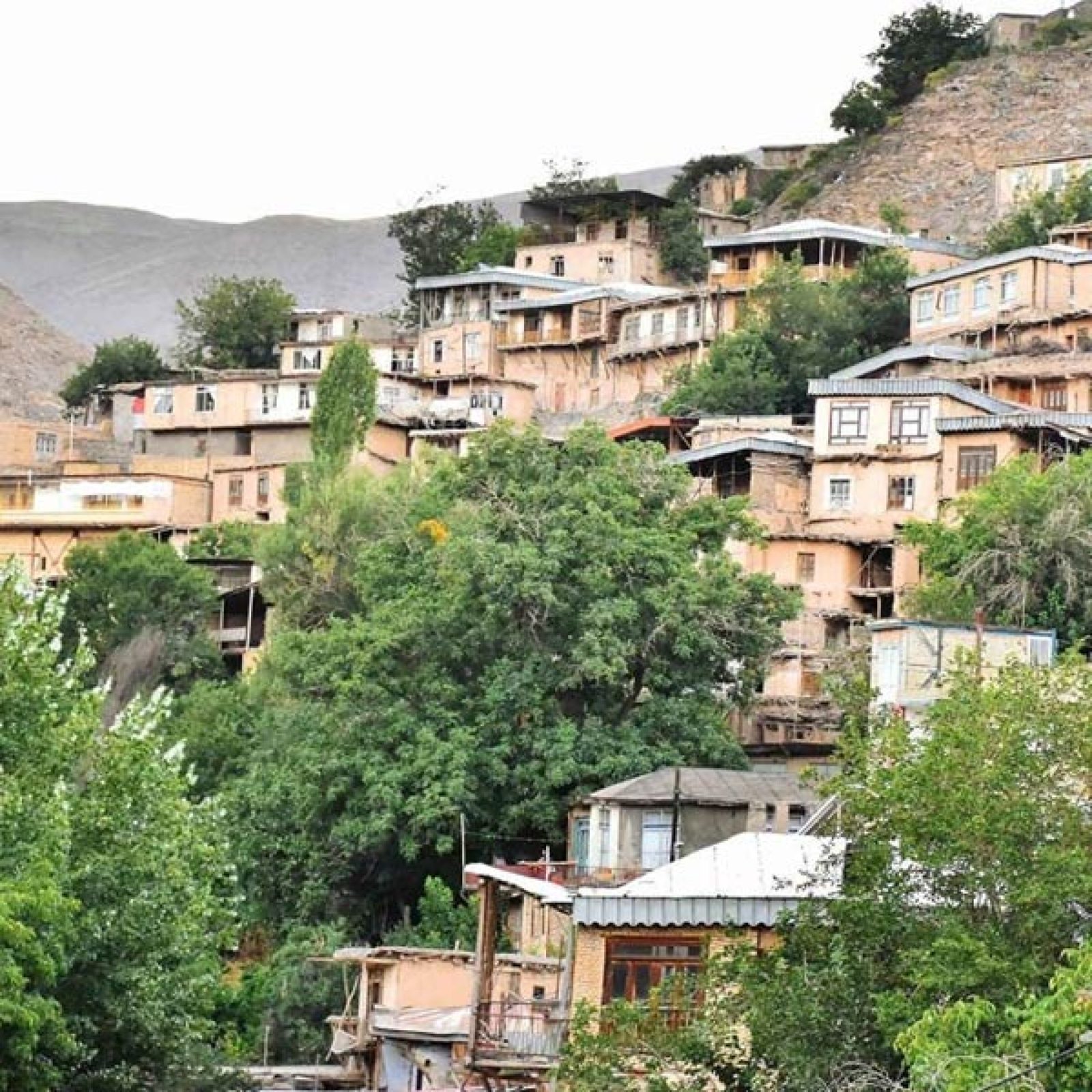
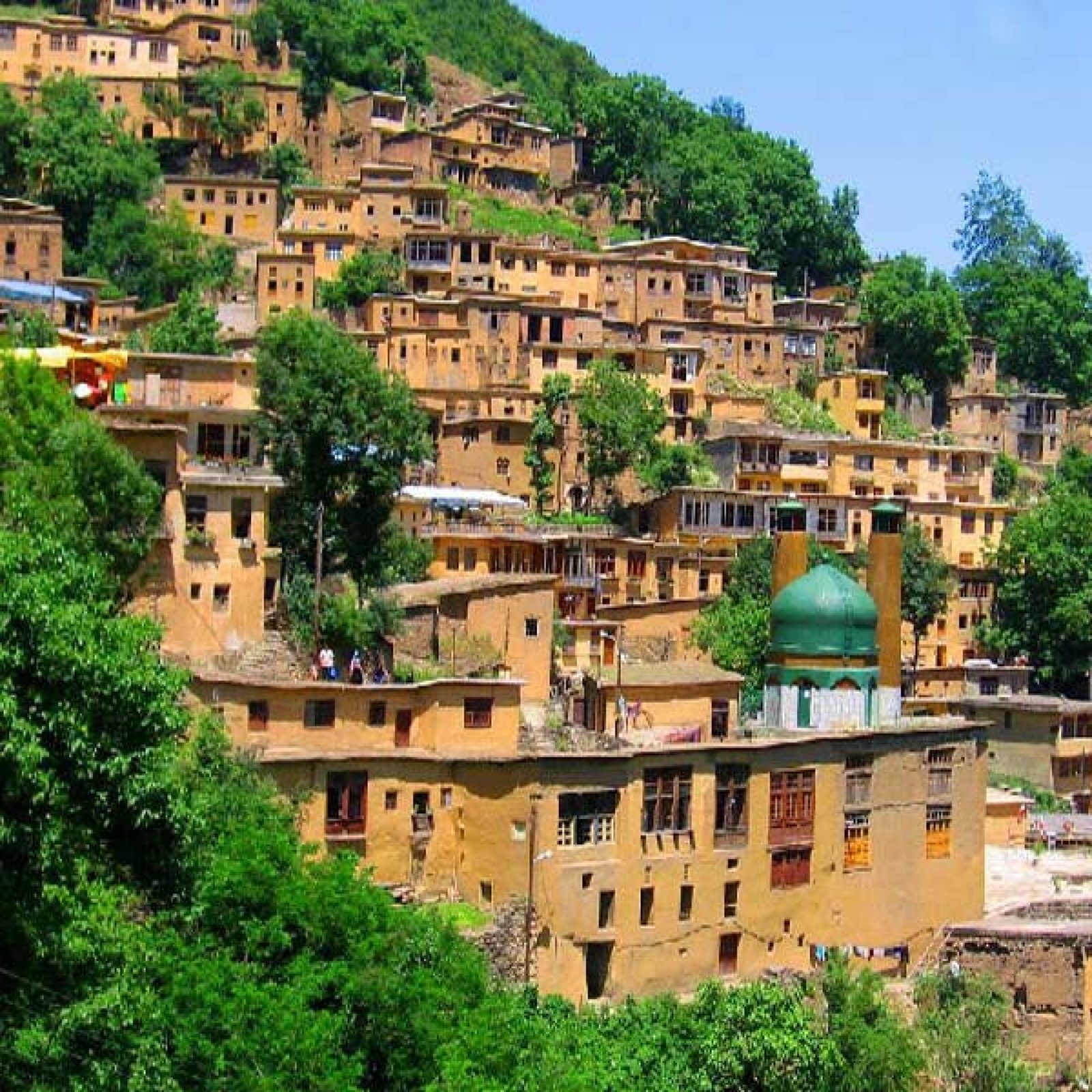
The boomgardi movement has spread across rural Iran over the past decade, and it is the single easiest way to meet Iranians outside a commercial setting. These are working family homes — mud-brick in the desert margins around Mesr and Garmeh, timber and thatch in the Caspian foothills, stone in the Zagros. Standards are deliberately simple. You may sleep on layered mattresses on a carpeted floor rather than a bed, share a bathroom, and eat whatever the household cooked that day, which is usually the best meal of your trip. What you get in return is a genuine welcome, regional food you will not find on a restaurant menu, and often music, bread-baking or a craft demonstration in the evening. Our Deserts & Oases route is built around these stays, and you can read more about the crafts you may encounter in our workshop experiences.
In Iran, the difference between a good trip and an unforgettable one is often decided by where you sleep.
This is the part that surprises people. Iran's banking system is not connected to international card networks, which means Visa and Mastercard simply do not function inside the country — not at hotels, not anywhere. You cannot pay an Iranian hotel with your card from home, and you cannot pay it at the desk when you arrive.
In practice there are three routes. You can reserve directly by email and pay in cash on arrival, which many hotels are used to accommodating for foreign guests. You can use one of the Iranian booking platforms, which handle payment through local agents and issue a voucher. Or — much the simplest — you can have a licensed operator book and prepay everything as part of your itinerary, so you arrive with nothing to settle. Whichever route you choose, bring enough cash in euros or US dollars for your incidental spending and exchange it after arrival. A prepaid tourist debit card, loaded locally, is the usual workaround for day-to-day purchases. Our travel FAQ covers money, visas and connectivity in more detail.
Exchange offices and hotels can be particular about the condition of foreign currency. Crisp, untorn, recent-series notes are accepted without fuss; worn or marked ones sometimes are not.
Breakfast is nearly always included, and it is a proper spread — flatbread, white cheese, walnuts, butter, honey and jam, black tea, often eggs or a hot dish. Every hotel registers foreign guests by passport, so keep yours accessible on arrival days. Wi-fi is common but frequently slow, and some international apps and sites are restricted. Air conditioning is standard in the desert cities and less so in mountain villages, where you will not miss it. In smaller towns and along the Caspian north, the choice narrows quickly outside the main season, which is another argument for booking ahead rather than arriving on spec.
No. Iranian banks are not connected to international card networks, so Visa and Mastercard cannot be used to pay hotels inside the country. Most travellers either book through a local agency that handles payment for them, or reserve a room and settle in cash on arrival.
It is a historic house, usually a merchant or notable family home built around a central courtyard, that has been restored and converted into a small hotel. Rooms open onto the courtyard rather than a corridor, and they are most common in Kashan, Yazd, Isfahan and Shiraz.
An ecolodge, known locally as boomgardi, is a small family-run guesthouse in a village or rural area, often a restored mud-brick or timber house. Rooms are simple, meals are home-cooked, and guests may sleep on floor mattresses rather than beds.
Hotels register every foreign guest with their passport. Rules on room sharing are applied differently from place to place, so it is best to have your accommodation arranged in advance by an operator who knows each property's practice rather than turning up and hoping.
Almost always, yes. A typical Iranian breakfast includes flatbread, feta-style cheese, walnuts, butter and honey or jam, sometimes with eggs or a hot dish, served with black tea.
Choosing where to sleep in Iran is not really a logistics question — it is the difference between passing through a country and being welcomed into it. Tell us your dates and the kind of nights you want, and we will assemble the route around them, courtyard by courtyard: plan my trip.
Published by Arian Tour — Iran travel specialists. Property standards, availability and payment practice change over time; we confirm every booking detail when planning your trip.
 Plan Your Visit
We book the courtyard houses, desert lodges and village rooms ourselves — and handle the payment so you do not have to.