
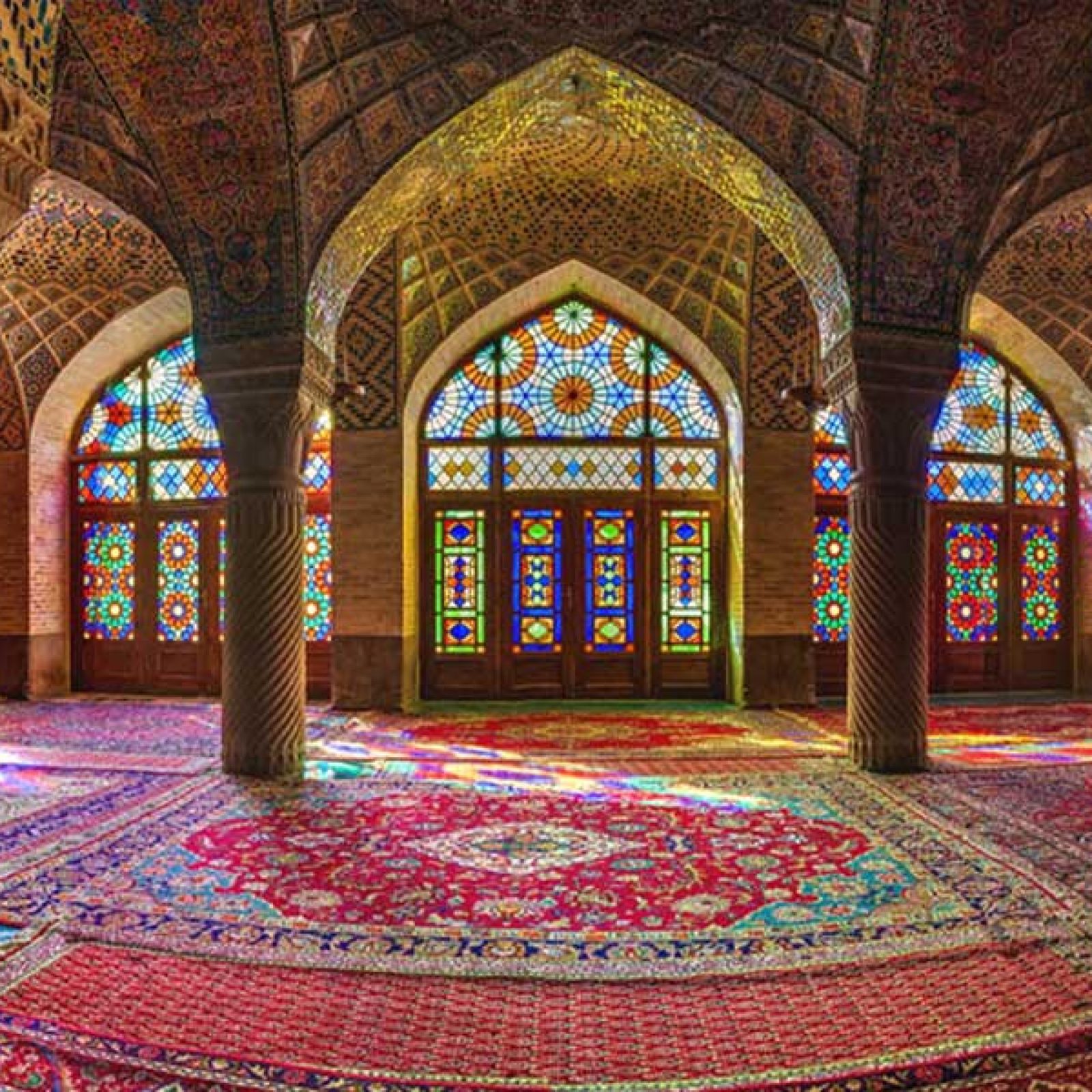
E-visa or visa on arrival, who qualifies, and the documents you need — Iran's entry process, explained simply.
For many travellers, the visa is the one part of an Iran trip that feels uncertain — and it needn't be. Iran's entry process is more straightforward than its reputation suggests: most visitors choose between applying online for an e-visa in advance or picking up a visa on arrival at the airport, and the paperwork is modest. Here is how each route works, who is eligible for which, and the documents and details worth sorting out before you fly.
Most nationalities have two options. You can apply for an e-visa ahead of time through Iran's official Ministry of Foreign Affairs portal, or you can request a visa on arrival (VOA) at a major Iranian airport. Both lead to the same tourist visa; the difference is timing and peace of mind. A small group of passport holders — notably citizens of the United States, the United Kingdom and Canada — cannot use either route freely and must arrange their visa in advance alongside a guided tour, which we explain below. If that applies to you, our Classic Persia and tailor-made programmes are built precisely for it.
The e-visa is the route we recommend for most travellers, because it removes uncertainty at the border. You apply on Iran's official portal at evisa.mfa.ir, create an account, and complete a form with your passport details, travel dates and accommodation. After uploading a passport photo, a passport scan and your travel insurance, you submit and wait for approval. Processing commonly takes around one to two weeks, so apply at least three weeks before departure to allow for any delays. Once approved you receive a visa grant — often called an authorization or reference code — which you use to collect the visa sticker at an Iranian embassy or on arrival at the airport. Avoid unofficial look-alike sites; the genuine portal is run by the Ministry of Foreign Affairs.
If you would rather sort everything at the airport, eligible travellers from a long list of countries can obtain a visa on arrival at Iran's main international gateways, including Tehran (Imam Khomeini), Mashhad, Shiraz, Isfahan, and the islands of Kish and Qeshm. You will typically be asked for a passport valid at least six months, a passport photo, proof of travel insurance covering Iran, and details of where you are staying. Lines can be long at peak times, and approval is at the officer's discretion — which is the main reason many visitors prefer the certainty of applying in advance. Note again that US, UK and Canadian passport holders are excluded from this route.
The smoothest entries are the planned ones — apply ahead, carry your documents, and the border becomes a formality rather than a worry.
Whichever route you choose, the essentials are similar: a passport with at least six months' validity beyond your travel dates and a couple of blank pages; a recent passport-style photo; travel insurance that explicitly covers Iran; and your accommodation details or an invitation. A modest visa fee is paid online or at the airport — check the current amount on the official portal, as it varies by nationality. Importantly, international credit and debit cards do not work in Iran, so plan to bring cash to exchange or arrange a prepaid tourist card; our guide to money and travel basics covers this in full.
A few extra points smooth the way. Iran generally does not stamp passports for tourists, issuing a separate visa sheet instead — useful if you later travel to countries that ask about previous trips. Tourist visas commonly allow a stay of around 30 days, often extendable inside Iran, though the exact length and conditions depend on your nationality and visa type. And if you simply want a short, paperwork-light taste of the country, the free-trade islands of Kish and Qeshm in the Persian Gulf allow many nationalities to visit visa-free for a limited period — a relaxed first step into Persia. Wherever you land, the rest of the country's bazaars, gardens and monuments are waiting.
The visa is the gateway, not the obstacle — and you don't have to navigate it alone. Tell us your nationality and travel dates, and we'll advise on the right route, help with documents and insurance, and (where required) arrange the approved guided itinerary that lets you in: plan my trip.
Almost all visitors need a tourist visa. Most nationalities can either apply online in advance for an e-visa or collect a visa on arrival at major Iranian airports. A handful of passport holders, including citizens of the United States, the United Kingdom and Canada, cannot use visa on arrival and must arrange their visa in advance together with a guided tour on an approved itinerary.
The e-visa is applied for ahead of travel on Iran's official portal at evisa.mfa.ir; once approved you receive a visa grant, or authorization, code and collect the visa at an embassy or on arrival. A visa on arrival is issued at the airport when you land, for eligible nationalities. Applying in advance reduces queues and uncertainty at the border, which is why we recommend it for most travellers.
Citizens of the United States, the United Kingdom and Canada, along with a few other nationalities, are not eligible for visa on arrival. They must obtain their visa in advance and travel on a pre-approved, guided itinerary booked through a licensed Iranian agency. Arian Tour arranges exactly this kind of fully escorted, approved programme.
Yes. Travel insurance that specifically covers Iran is required for entry, and you may be asked to show it at the airport. If your existing policy does not cover Iran, a short-term policy can usually be purchased at the airport on arrival. We confirm the current requirement and help arrange suitable cover for our guests.
In most cases, no. Iran generally issues a separate visa sheet rather than stamping your passport, so a visit to Iran need not appear in it. This is helpful if you plan to travel to countries that ask about previous trips. Rules can change, so confirm the current practice before you travel.
Published by Arian Tour — Iran travel specialists. Visa rules, eligibility and fees can change; always confirm the latest requirements on the official portal, and we verify every detail when planning your trip.
 Plan Your Visit
From the right visa route to a fully approved itinerary, we make entering and exploring Iran effortless.