
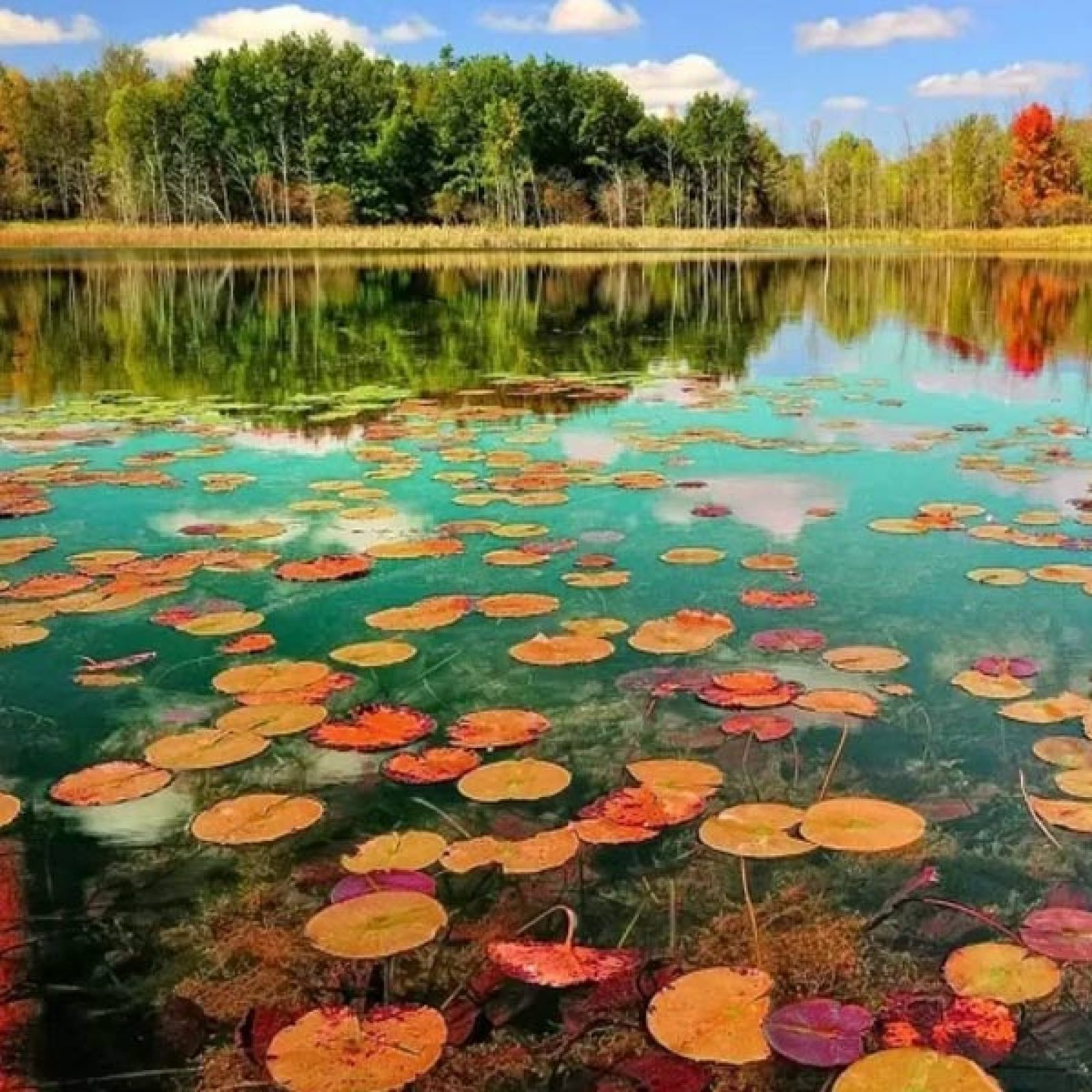
Splashing water, rainbow wrist-bands and four-thousand-year-old legends of rain — this is one of Persia's most joyful summer days.
Every year around the 13th of the Iranian month of Tir — roughly the 2nd to 4th of July — Iranians mark Tirgan, one of the country's oldest and most exuberant festivals. Long predating the modern calendar, it is a celebration of water, rain and renewal, observed with laughter, music and a good deal of splashing. For travellers in Iran in early July, stumbling onto a Tirgan gathering by a riverbank or village square is the kind of warm, spontaneous encounter that turns a holiday into a memory.
Tirgan's roots reach deep into pre-Islamic, Zoroastrian Persia. The day is dedicated to Tishtrya, the divine being linked to the bright star Sirius and to rain itself. In the old stories Tishtrya battles Apaosha, the demon of drought, and his victory brings the life-giving rains that fill the rivers and ripen the harvest. Medieval historians such as Biruni and Masudi described the festivities centuries ago, and European travellers in the Safavid era recorded them too — a thread of celebration running unbroken through Iranian history.
Tirgan is also tied to one of Persia's most beloved legends. To settle a long war, it is said, a peace was to be set by an arrow: the hero Arash would draw his bow, and wherever his arrow fell would mark the border between Iran and its neighbour Turan. Arash poured all his strength and life into the shot, loosing the arrow on the 13th of Tir, and it flew an extraordinary distance before landing. The dispute was settled, peace returned, and — so the tale goes — rain fell once more on the thirsty land. The story of selfless sacrifice for one's homeland is part of what gives Tirgan its emotional depth.
On Tirgan, water is thrown in joy, not anger — a blessing splashed from one person to the next.
The most visible custom is Abrizan, the joyful splashing of water. People gather beside streams and fountains, or simply fill jugs and buckets, and sprinkle water over one another as a symbol of purity and the coming rains. Children tie rainbow-coloured bands, called tir-o-baad, around their wrists; they wear them for ten days, then cast them into running water to carry their wishes downstream. Among women there is an old fortune-telling game, Fal-e Koozeh, in which small keepsakes are dropped into a jar of water and drawn out to the lines of a poem. Add dancing, recited verse and shared food, and you have a festival that is equal parts ritual and pure summer fun. You can taste this same spirit of Persian conviviality through our food and culture experiences.
Like every Iranian celebration, Tirgan has its dishes. Two appear again and again: aash-e esfenaj, a hearty herb-and-spinach soup, and sholezard, the delicate saffron-and-rose rice pudding decorated with cinnamon patterns and often shared with neighbours. Both speak to a culture in which festivals are measured as much in shared bowls as in ritual. Persian food is a journey of its own, woven through our food and bazaars tours and the country's lively markets and craft workshops.
Tirgan is celebrated in pockets across the country, and the flavour varies from place to place. In the green, rain-loving north — Mazandaran province and the riverside town of Amol — gatherings centre on the water, with processions and ribbons tossed into the streams; these are the same lush landscapes you'll find among our northern destinations. The festival also lives on strongly in the central desert region, in historic towns such as Yazd, Meybod and Ardakan with their long Zoroastrian heritage, and in Kerman, Shiraz, Isfahan and the capital, Tehran. In 2025 Iran put Tirgan forward for UNESCO recognition as intangible cultural heritage, a sign of renewed pride in the tradition.
Tirgan is not a fixed, ticketed event so much as a living folk tradition, and gatherings can be informal — held by cultural associations, villages or Zoroastrian communities rather than published on a calendar. The reward for the curious traveller is authenticity: a genuine local celebration rather than a staged show. If your dates fall in early July, tell us and we can try to time your route through a region where Tirgan is observed, or simply build the season's other pleasures — cool northern forests and starlit desert evenings — into your journey. For practical guidance on visas, weather, dress and money, see our travel FAQ, and let us shape a private, tailor-made itinerary: plan my trip.
Published by Arian Tour — Iran travel specialists. Festival dates follow the Iranian calendar and local observance varies; we confirm timing and access when planning your trip.
 Plan Your Visit
We'll build a private, tailor-made itinerary around the season's festivals, landscapes and flavours.