
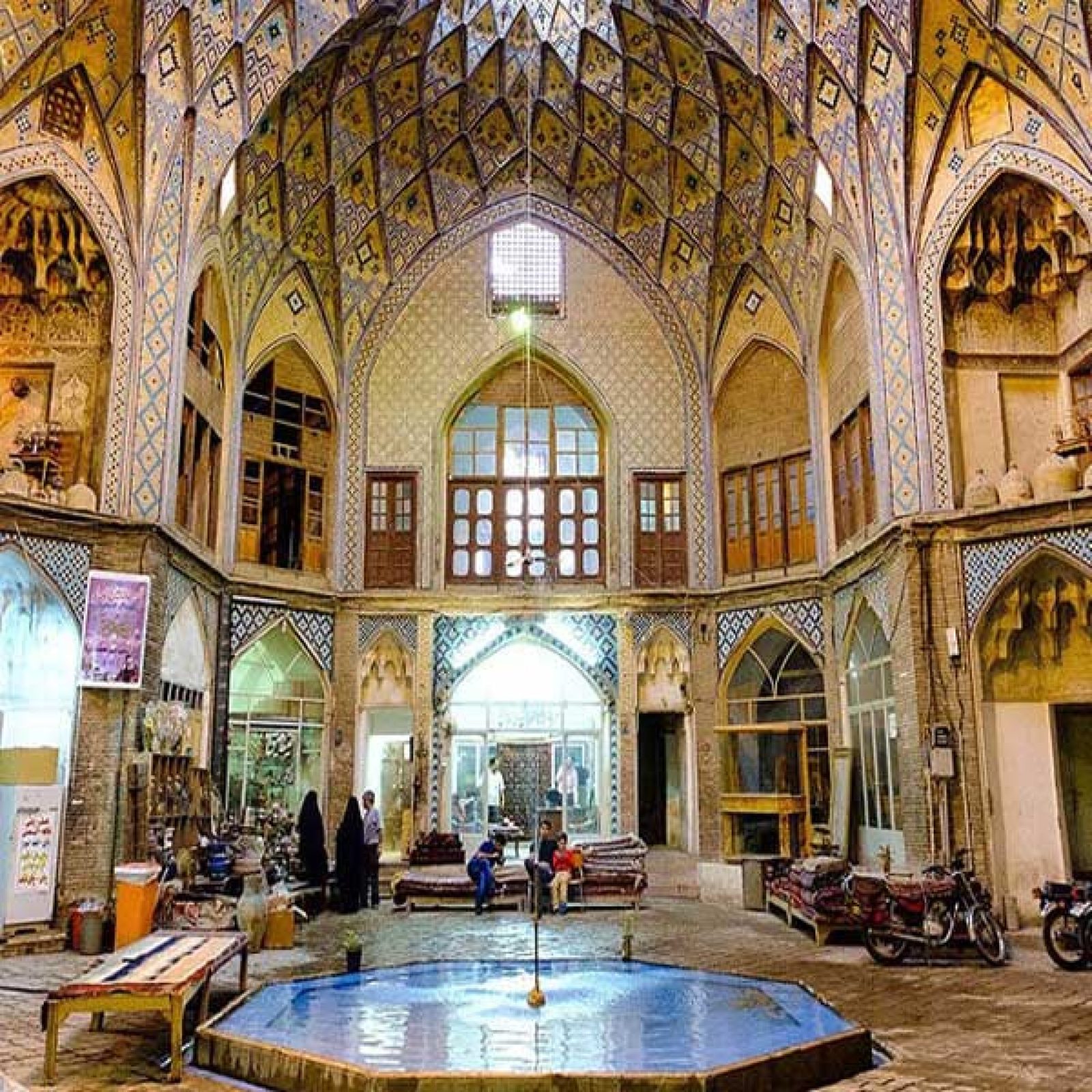
A Silk Road trading city of carpets, turquoise tilework and mountain air — and one of the most rewarding stops in Iran.
Tabriz sits high on a plain in Iran's northwest, ringed by dry mountains and cooled by altitude. It has been a capital, a Silk Road entrepôt and a workshop city for centuries, and it still feels like a place that trades for a living. Azerbaijani Turkish is heard as often as Persian in the street, tea is poured constantly, and the covered bazaar at the heart of town remains a working market rather than a museum piece. For travellers arriving overland from Turkey or the Caucasus, Tabriz is the first taste of Iran; for those touring the country, it is the destination that shows you the north.
The Tabriz Historic Bazaar Complex was inscribed on the UNESCO World Heritage List in 2010, and it is the single reason many travellers come. This is not one hall but a whole quarter of interconnected brick corridors, domed halls, caravanserais, mosques, schools and tea houses — kilometres of them — each section historically given over to a trade. The Mozaffariyeh hall is the carpet heart of the complex, and Tabriz has been one of the great centres of Persian weaving since the fifteenth century; expect to be invited to sit, drink tea, and watch rugs unrolled whether or not you intend to buy. Give it half a day, get lost on purpose, and read our guide to Iran's bazaars and markets before you go.
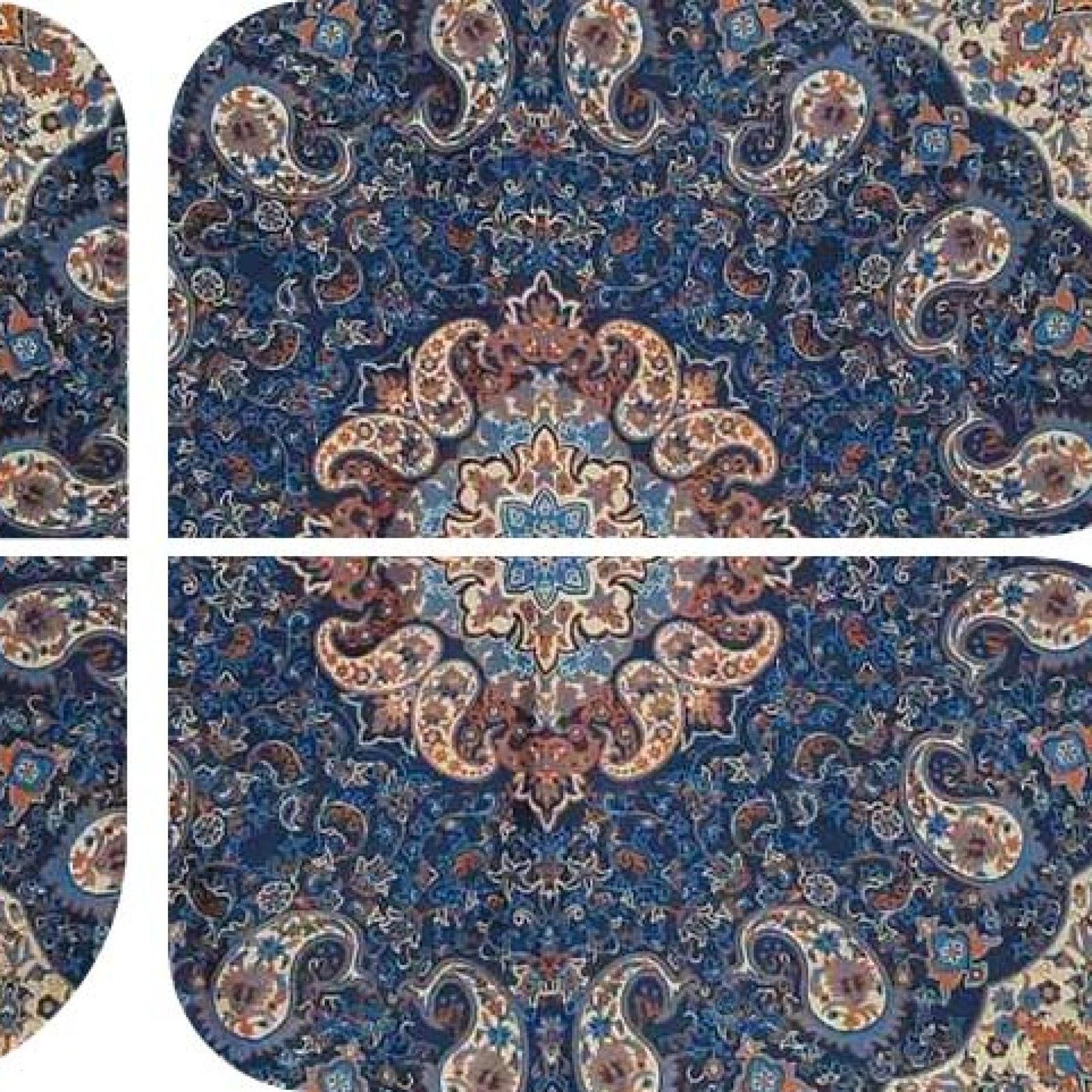
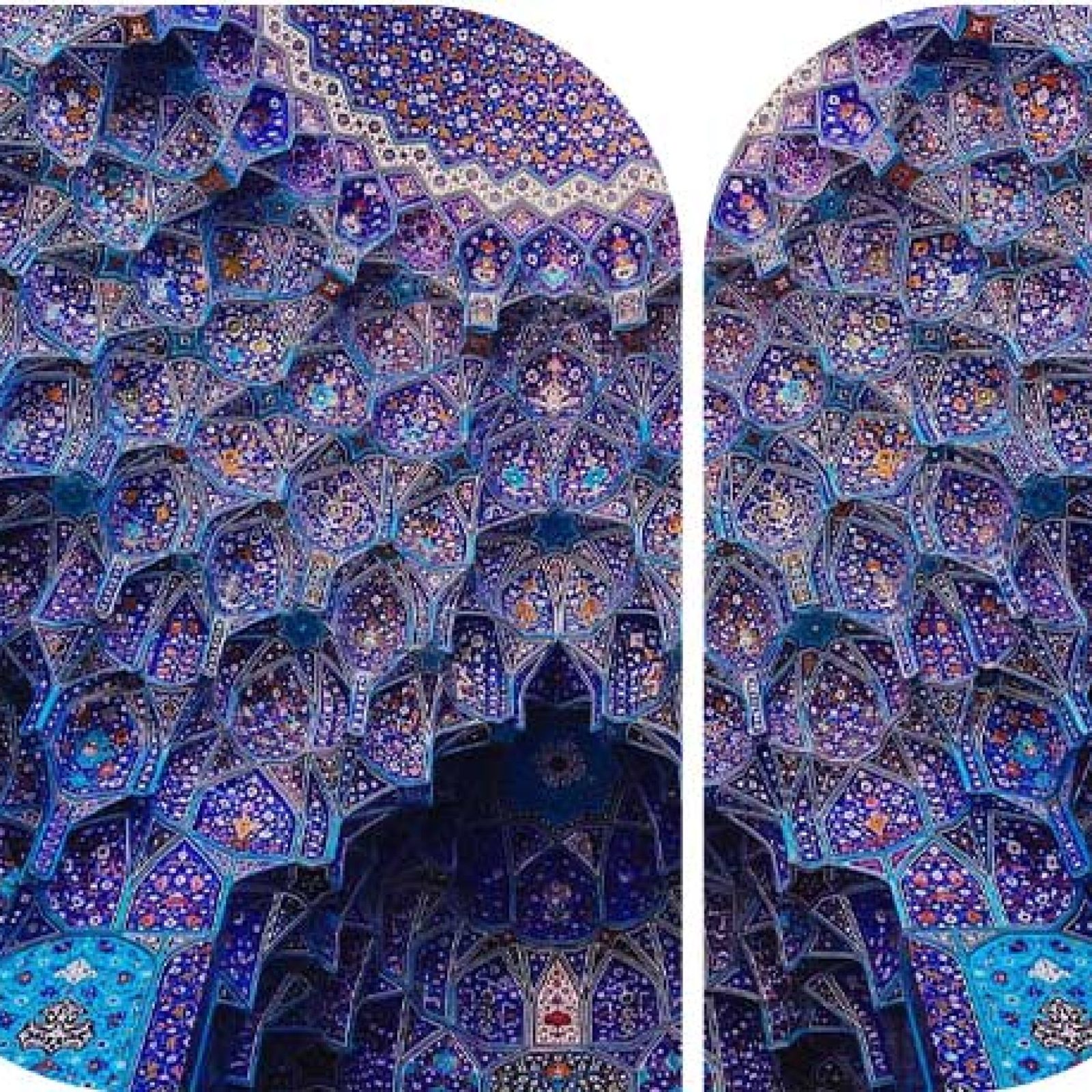
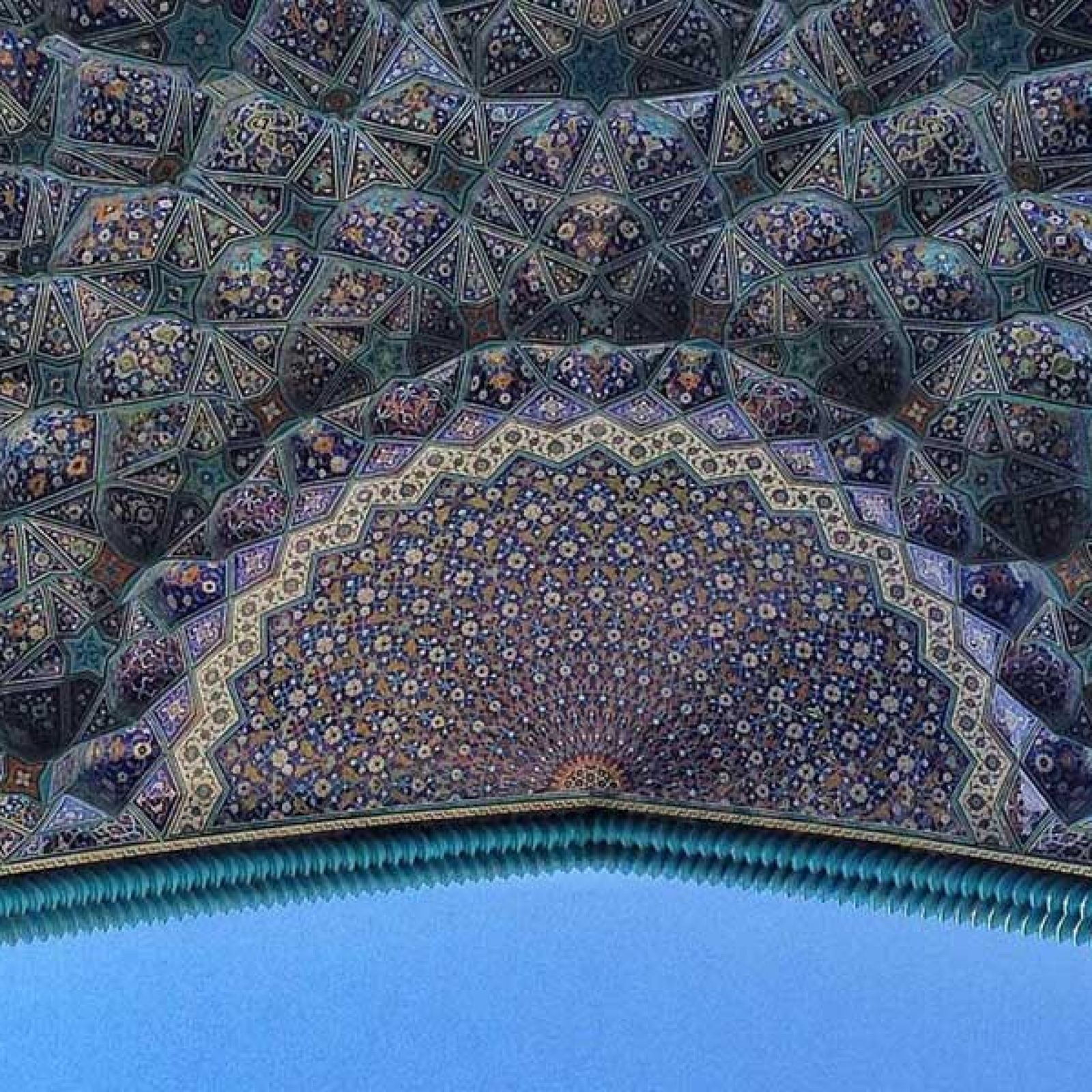
A short walk from the bazaar stands the Blue Mosque — Masjed-e Kabud — commissioned in the 1460s under Jahan Shah of the Qara Qoyunlu dynasty, when Tabriz was a royal capital. Earthquakes brought much of it down, and what you see today is a partly restored shell, but the surviving mosaic faience around the portal is some of the most refined tilework in Iran: cobalt, turquoise and white worked into calligraphy so fine it reads like embroidery. Next door, the Azerbaijan Museum holds an excellent archaeological collection spanning pre-Islamic and Islamic Iran, and the nearby Constitution House commemorates Tabriz's central role in Iran's Constitutional Revolution of the early twentieth century. If Persian craft is your reason for travelling, our handicraft experiences build on exactly this.
Late afternoon belongs to El Goli, also called Shah Goli: a large square reservoir on the city's southeastern edge with a pavilion set in the middle of the water and terraced gardens climbing the slope behind it. Families walk the perimeter, students revise on the grass, and the whole city seems to exhale. It is the best place to understand Tabriz as somewhere people live rather than visit — much as Tehran's parks are, as we describe in our Tehran destination pages.
Tabriz rewards slowness: an afternoon lost in the bazaar teaches you more than a checklist of monuments.
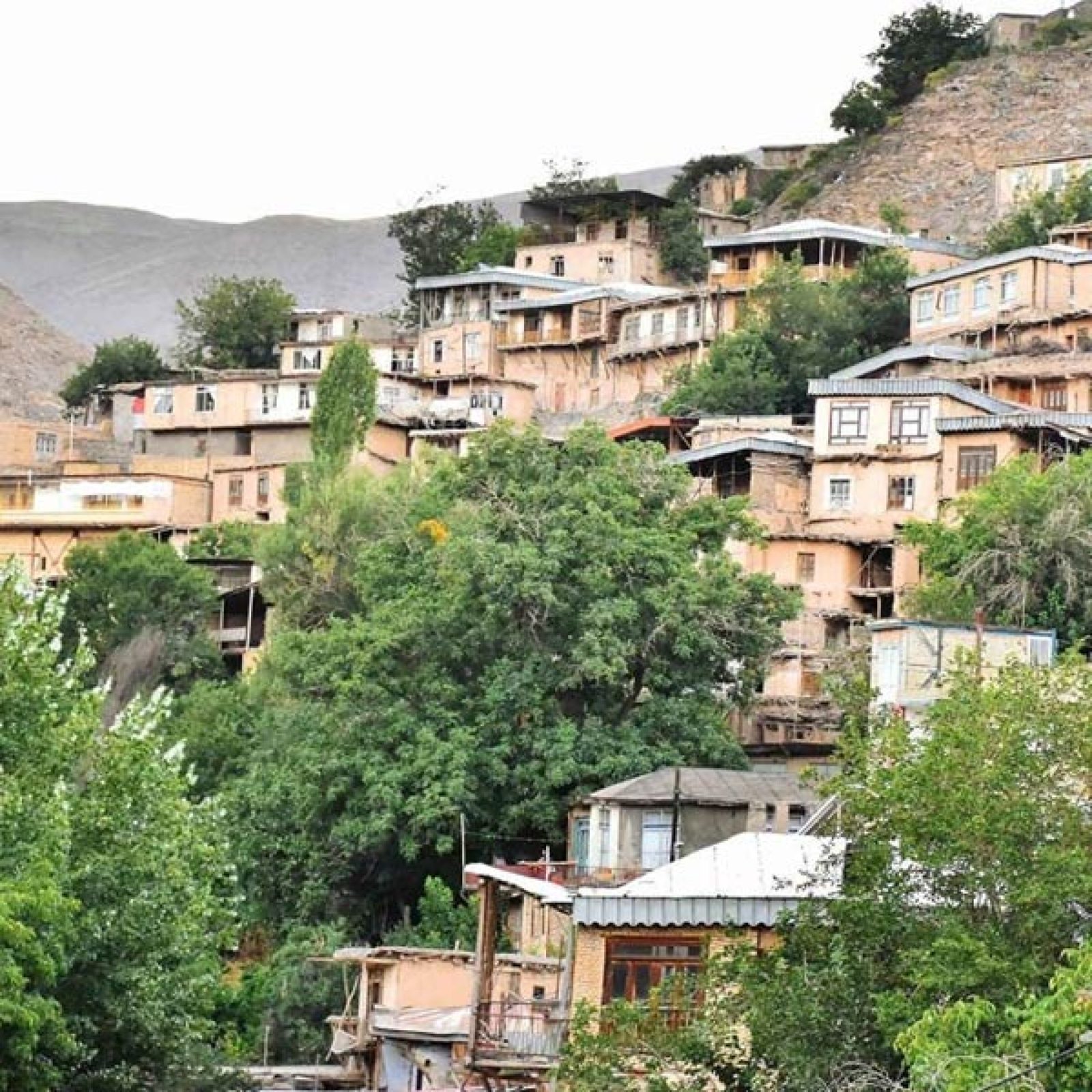
Roughly an hour south of the city, on the flanks of Mount Sahand, the village of Kandovan is carved into cones of soft volcanic rock, its houses hollowed out of the stone and still inhabited. It makes an easy half-day trip and pairs naturally with the highland scenery around Sahand. Further west lies Lake Urmia, whose shallow salt waters have fluctuated dramatically in recent decades — worth a detour for the landscape, though conditions vary by season. Mountain villages like these sit at the centre of our Nature & Caspian journeys.
Tabriz is often left off the standard Persia circuit, which is precisely its appeal — you get the bazaar, the tilework and the mountains with a fraction of the visitors. It works beautifully as an opening or closing leg on a Classic Persia itinerary, or as the anchor of a northern loop. For visas, money, dress and the practical questions travellers ask us most, see our travel FAQ, and browse the wider country on our destinations page.
If Tabriz sounds like your kind of city — slow, layered, and still very much at work — tell us your dates and we'll build a private itinerary around it: plan my trip.
Published by Arian Tour — Iran travel specialists, 10 August 2026. Opening hours, restoration works and seasonal access can change; we confirm every detail when planning your trip.
 Plan Your Visit
Private, tailor-made journeys through northwestern Iran — bazaar, tilework, mountains and all.