
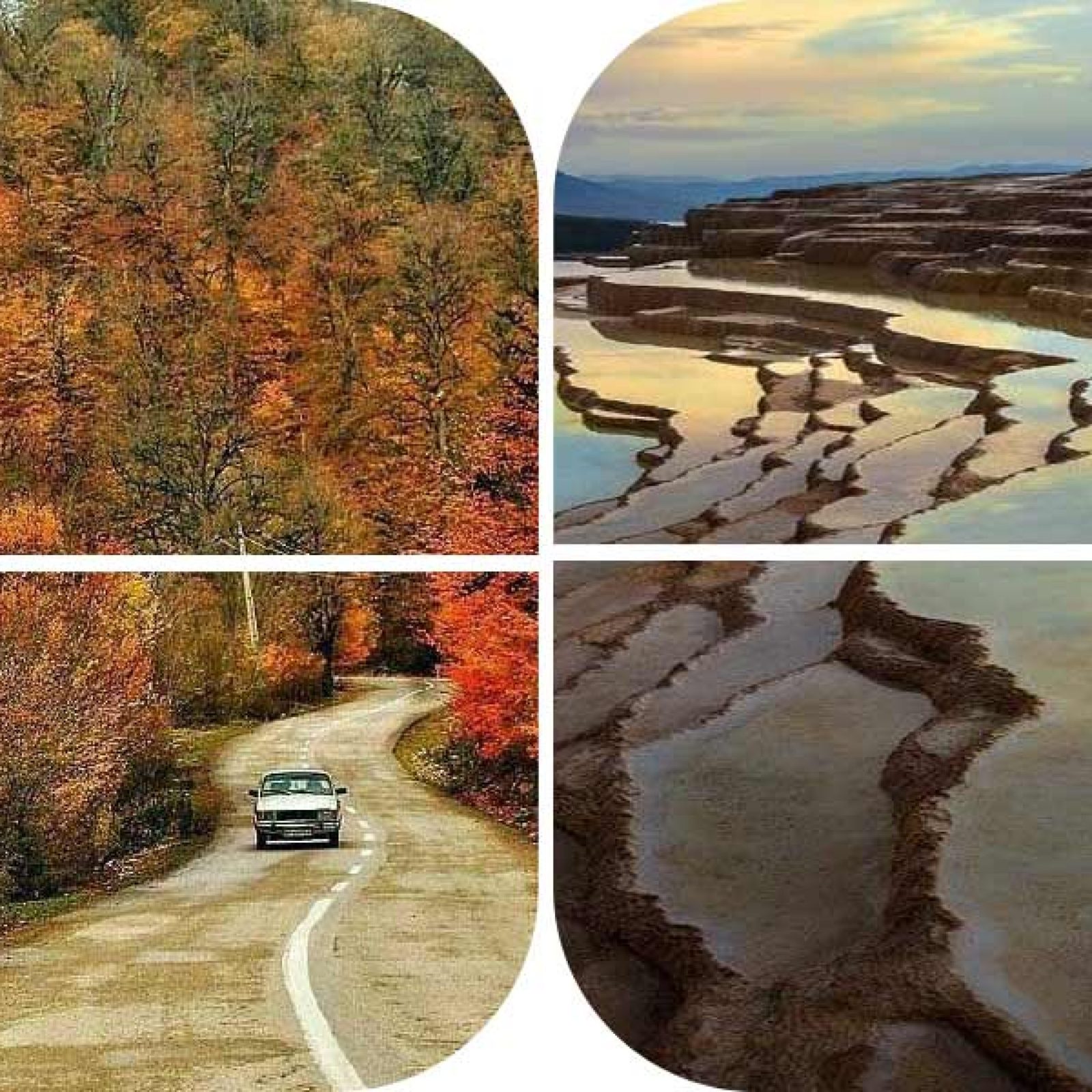
Yes, the deserts are hot — but head north and up, and Iran's summer turns green, breezy and gloriously uncrowded.
Summer in Iran — roughly June through September — has a reputation for heat, and on the central plateau and in the southern deserts that reputation is earned, with daytime highs often climbing past 35°C. But Iran is a vast, mountainous country, and the same months that bake Yazd and Kerman bring some of the year's loveliest travelling weather to the north and the highlands. The trick is simply knowing where to go. Here's how to enjoy an Iranian summer at its best.
When the interior heats up, Iranians themselves migrate north to the Caspian Sea, and you should too. The narrow green strip between the Alborz Mountains and the sea — known locally as Shomal ("the north") — stays mild and humid through summer, with days commonly in the low-to-high 20s°C. Tea plantations climb the foothills, rice paddies shimmer in the valleys, and forest meets shoreline. Ramsar makes a relaxed base for hot springs and short coastal drives, while Bandar-e Anzali is known for its lagoon, a rich birdlife wetland you can explore by boat. You'll find more of these green escapes among our northern destinations.
Summer is prime season for the high country. The Alborz range above Tehran offers cool day-hikes and serious trekking alike, and from roughly June to September the snows clear enough to attempt Mount Damavand, at 5,610m the highest peak in the Middle East. Further west, the Talesh hills around Masal — sometimes called "Iran's Switzerland" — are wrapped in mist and pasture, perfect for gentle walks and overnight stays in wooden hillside villages. These landscapes are the heart of our Nature & Caspian journeys and our outdoor experiences.
While Yazd shimmers in the heat, the northern forests are cool, green and almost empty of foreign visitors.
Summer is also when Iran's nomadic tribes — the Bakhtiari, Qashqai and Shahsavan among them — complete their seasonal migration, or kooch, up into the high mountain meadows of the Zagros and Alborz with their herds. For travellers, it's a rare chance to share tea in a black goat-hair tent, watch carpets being woven on portable looms, and witness a way of life that follows the grass and the seasons. We can weave a nomad encounter into a tailor-made itinerary at the right time of year.
Don't write off the classic cities altogether. Summer evenings transform places like Isfahan and Shiraz: as the heat lifts, families spill into illuminated squares, gardens and bazaars well into the night. Plan your sightseeing for early mornings and late afternoons, rest through midday, and you can still enjoy Persia's great monuments — just at a gentler, more local rhythm. If a desert leg tempts you, our Deserts & Oases route is built around cool dawns and starlit nights rather than the midday sun.
Pack light, breathable layers for the heat, but always bring something warmer: mountain evenings and Caspian breezes can be cool, and high-altitude nights genuinely cold. Sun protection, a refillable water bottle and good walking shoes are essentials everywhere. Modest dress remains required across the country, including at the coast. For up-to-date guidance on visas, money, weather and what to wear, see our travel FAQ.
Iran in summer rewards travellers who follow the cool air — to the forests, the peaks and the sea. Tell us your dates and we'll build a private, season-smart itinerary around you: plan my trip.
Published by Arian Tour — Iran travel specialists. Seasonal conditions and access (mountain routes, festivals, opening hours) can change; we confirm everything when planning your trip.
 Plan Your Visit
We'll build a private, tailor-made itinerary around the season — mountains, coast and cities at their best.