
Silk, wool and centuries of patience — the story of Iran's most regal fabric, and where to find the real thing.
Run your hand across a piece of termeh and you can feel the hours in it. This dense, lustrous brocade — traditionally woven from fine wool and natural silk — is one of Iran's oldest and most treasured crafts, and its heartland is the desert city of Yazd. Where Persian carpets cover floors, termeh dresses tables, gifts and ceremonies; it is the fabric Iranians reach for when a moment matters. Here is the story behind those shimmering paisleys, and how to bring a piece home.
Termeh weaving reached its height in the Safavid era, when Persian silks and brocades were among the most coveted textiles traded along the Silk Road, and the workshops of Yazd and Kerman earned a reputation they still hold today. In the Qajar court, termeh became shorthand for rank: the finest robes of honour bestowed by the shah were cut from it, and portraits of the period show the fabric reserved for those closest to the throne. That royal association never quite faded — even now, a termeh gift signals particular respect.
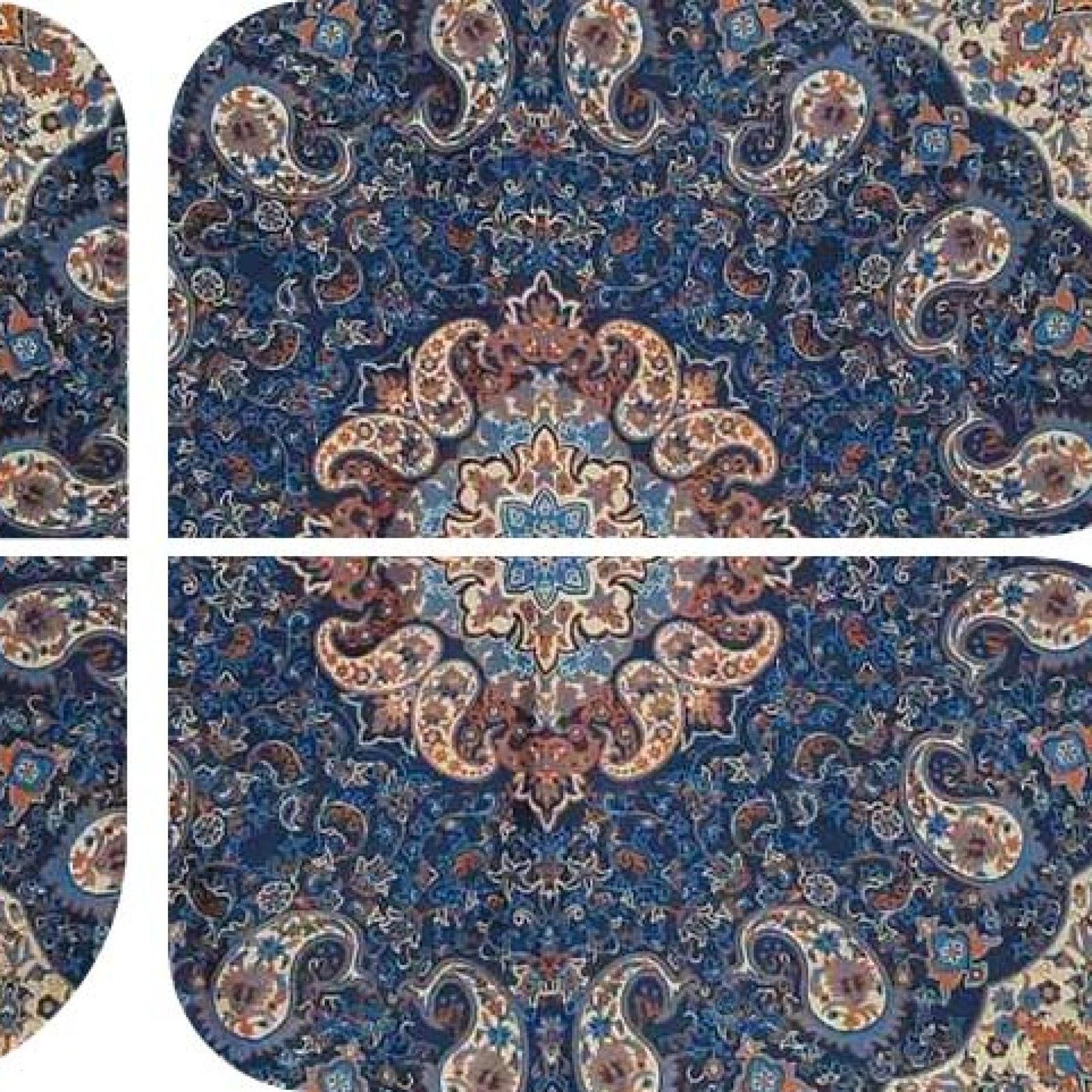
Termeh's signature motif is the boteh, the teardrop with a curled tip that the West knows as paisley. Its origins reach deep into Persian art — often read as a cypress tree bowing in the wind, a symbol of life and humility. Around it, weavers arrange striped grounds, medallions and garden patterns: cypress and tree-of-life designs, blossoms, and borders that frame the cloth like an illuminated manuscript. Colours run to deep crimson, bottle green, gold and ink blue, and in celebratory pieces metallic thread may glint through the weave. If patterns are what draw you to Iran, our craft experiences put you in the workshops where they are made.
A skilled weaver produces only a hand's-breadth of termeh in a day — which is exactly why a single tablecloth can feel like an heirloom from the moment it is finished.
True termeh is slow cloth. The traditional process begins with fine fibres — silk and soft wool — spun, dyed (classically with natural dyestuffs) and set up on looms whose patterns demand constant counting and correction. Working steadily, a weaver and an assistant may advance the cloth only some twenty-five to thirty centimetres in a day. Machine-made termeh now exists alongside the handmade article, which is precisely why buying it from a knowledgeable seller — ideally at the source — is part of the pleasure.
Attend an Iranian wedding and you will likely see termeh at its centre: the sofreh-ye aghd, the ceremonial spread laid before the couple, is often anchored by a fine termeh cloth. The fabric appears again at Nowruz tables, wraps precious gifts, and covers sideboards and chests in homes across the country. A termeh runner is among the most beloved presents for a new house — warmth and good fortune, woven together. You can taste this ceremonial side of Persian culture on our Food & Bazaars journey, where crafts and cuisine share the same lanes.
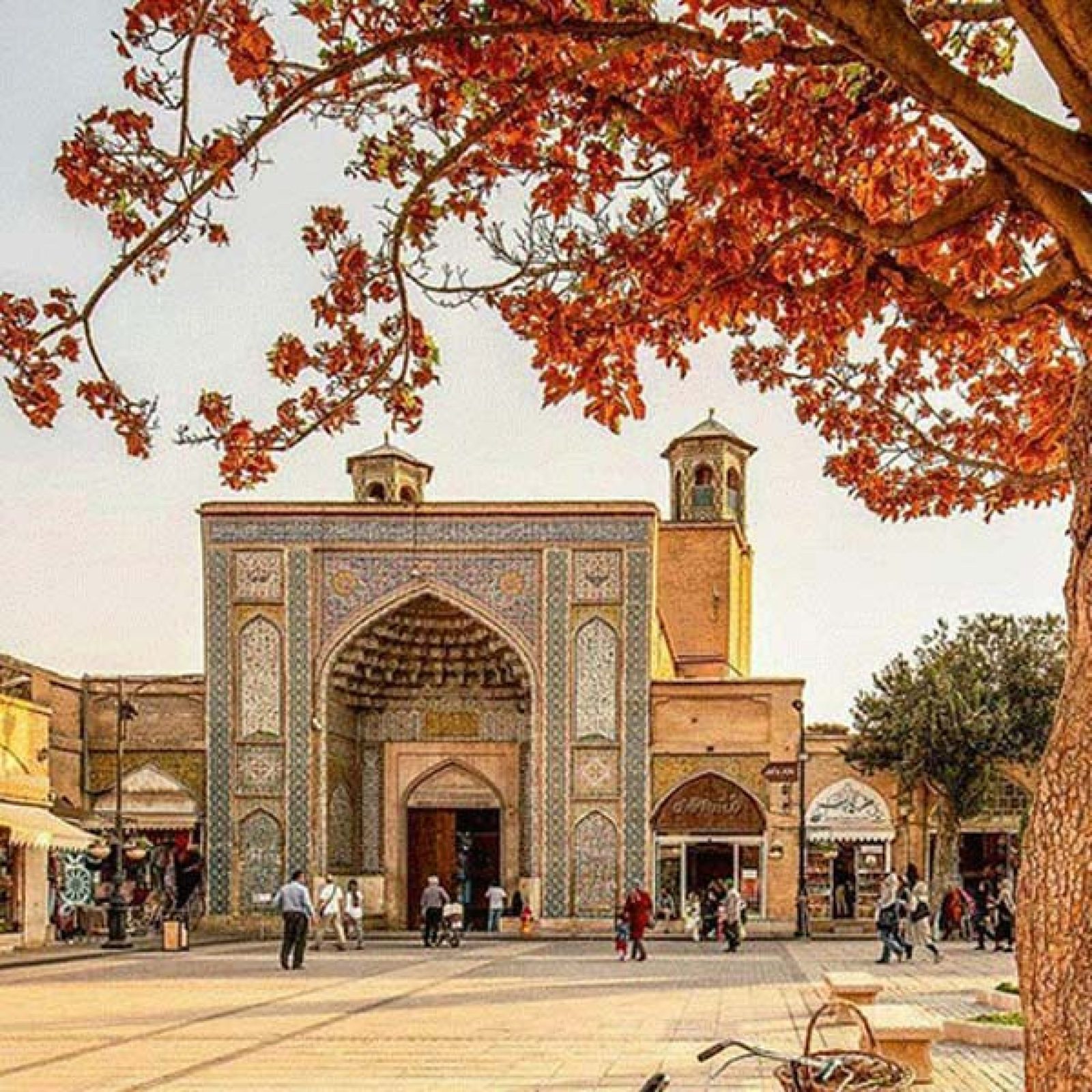
Yazd is the place to watch termeh being woven and to buy with confidence, and the city pairs beautifully with the classic route through central Iran — browse our destinations to see how it fits. Beyond Yazd, the Vakil Bazaar in Shiraz and Tehran's Grand Bazaar both have dedicated textile rows where termeh cloths, runners and cushion covers are stacked in jewel-coloured piles. Handle the cloth, turn it over, ask about fibre and loom — good sellers are proud to explain. For general guidance on money, bargaining and customs when shopping in Iran, our travel FAQ has you covered.
Termeh rewards the traveller who slows down — who steps into the workshop, listens to the loom, and learns why one cloth costs what it does. If you'd like Yazd's weaving houses, bazaar tours or a crafts-focused route woven into your own itinerary, tell us what you love and we'll build the journey around it: plan my trip.
Published by Arian Tour — Iran travel specialists. Workshop access and bazaar opening patterns can change; we confirm details when planning your trip.
 Plan Your Visit
From Yazd's weaving houses to the bazaars of Shiraz — we'll craft a private journey through Iran's living crafts.