
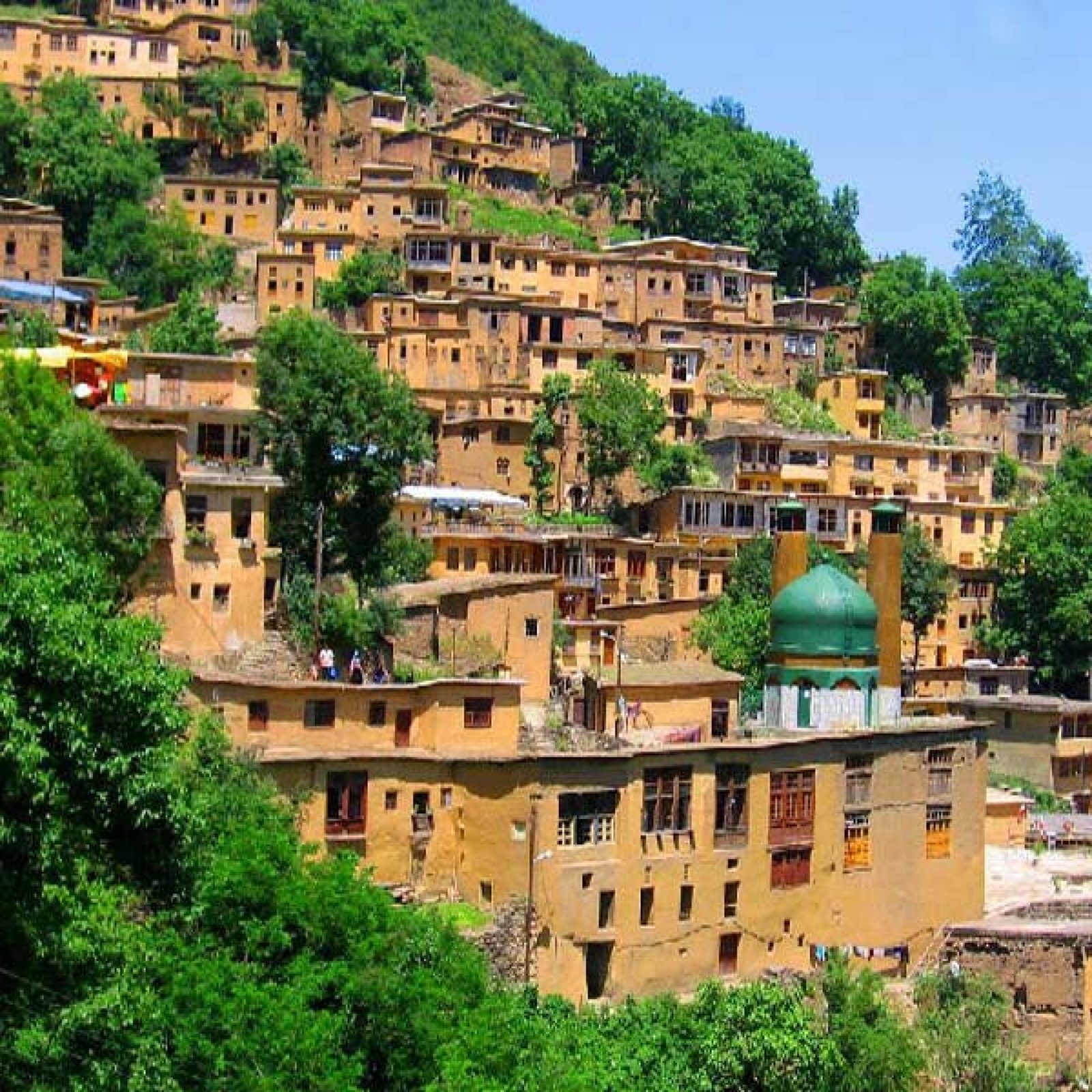
While the plains shimmer with heat, Iran's tribes are up in the cool mountain meadows — and summer is the one season to meet them there.
There is a rhythm to Iran that no monument can show you. Twice a year, hundreds of thousands of nomads and their herds move between the seasons — down to the warm lowlands for winter, and up to the high mountain pastures for summer. This great seasonal migration is called the kooch, and right now, in the heart of July, the tribes are settled on their summer grounds high in the Zagros. For a traveller, these few months are a rare open window onto one of the last living nomadic cultures in the region.
The word kooch describes the twice-yearly journey between winter quarters (qeshlaq) in the low, mild foothills and summer pastures (yeylaq) high in the mountains. As the lowlands dry and bake from late spring, families fold their black tents, load donkeys and mules, and drive their sheep and goats up through steep valleys to fresh grazing that only opens once the snow has melted. From roughly June to September they live on these green upland meadows; by autumn the cold pushes them back down again. It is a way of life shaped entirely by grass, water and altitude — and it has continued, in much the same form, for centuries.
Two confederations stand out for travellers. The Bakhtiari, one of Iran's largest nomadic groups, migrate between the plains of Khuzestan and the summer pastures around Chaharmahal and the towering Zard Kuh massif in the central Zagros. To the south, the Turkic-speaking Qashqai — famous for their bold, richly coloured tribal carpets — move up from the plains near Shiraz into the Zagros foothills. Meet either on their yeylaq and you step into a world of goat-hair tents, wide-open pasture and a hospitality that is genuinely humbling. The gateway cities for these encounters, Shiraz and Isfahan, sit within easy reach of our southern destinations.
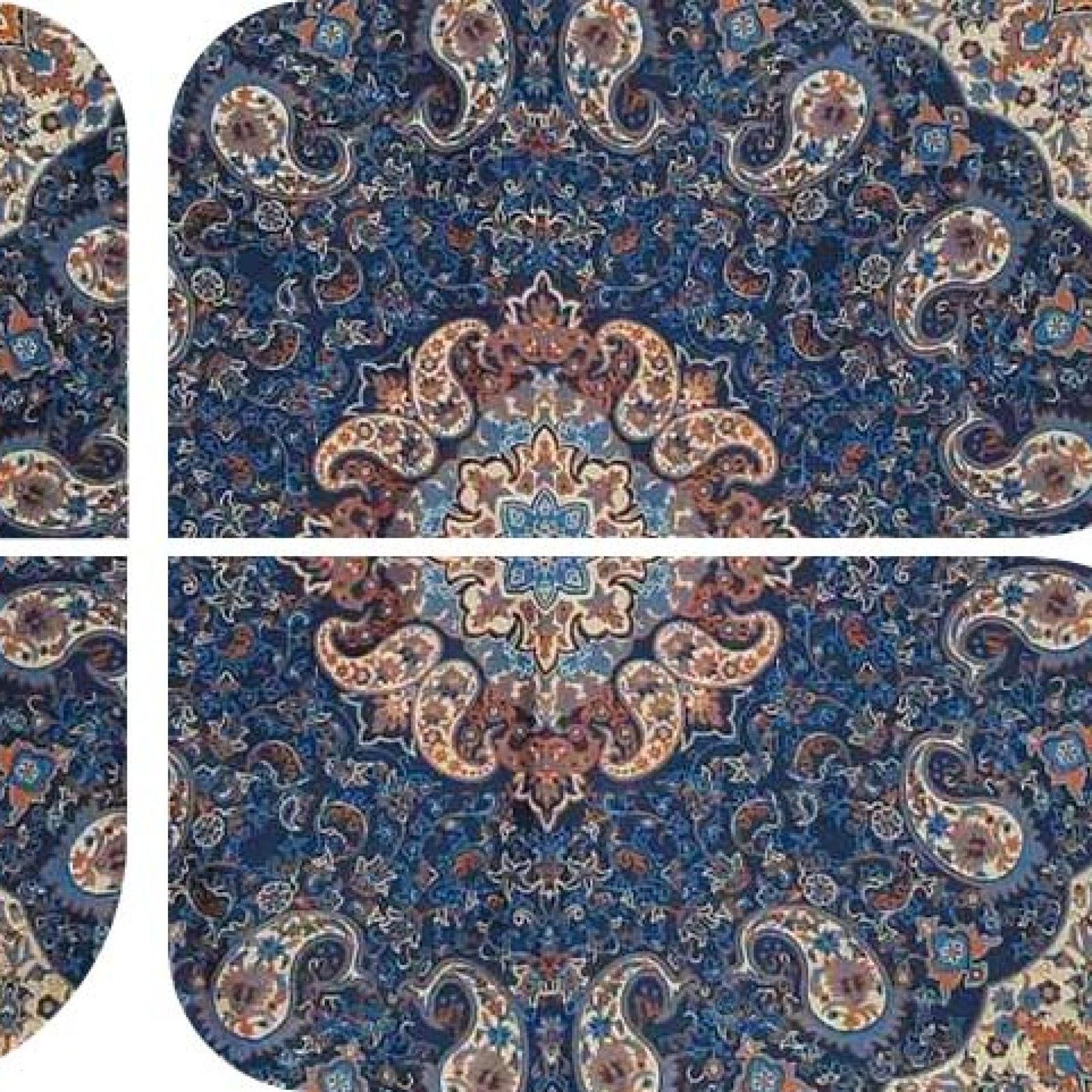
Sharing tea in a black goat-hair tent, with the herd grazing and a loom half-finished in the corner, is the kind of encounter that stays with you for years.
Visiting the tribes is not about a staged performance; it is about being welcomed, briefly, into a working camp. Expect to be seated on layered carpets, poured strong tea, and offered fresh dairy — yoghurt, buttermilk and the local flat bread baked over an open fire. You might watch a woman weaving a kilim on a horizontal loom pegged to the ground, help herd animals at dusk, or simply sit and take in the silence of the high pasture. Days are warm and clear; nights at altitude turn genuinely cold. These meetings are woven into our Nature & Caspian journeys and our craft-focused Persian crafts experiences, where nomad weaving connects to the wider story of the Persian carpet.
Timing is everything with the nomads. Come in the depth of winter and the high pastures are empty and snowbound; come at the height of the migration and you may catch whole families and herds on the move along ancient trails. Mid-summer — right now — is when the camps are settled, accessible and at their most photogenic, framed by wildflowers and green slopes while the cities below swelter. It is also a wonderful antidote to the desert heat: as we describe in our guide to travelling Iran's cooler regions, the mountains stay fresh and breezy through the hottest months.
Because nomad camps move with the grass, no two summers are identical, and the exact location of a friendly camp changes week to week. This is emphatically a trip to arrange through people who know the ground: a trusted guide with standing relationships among the tribes, a respectful approach, and flexibility in the itinerary. We only ever visit by invitation and with a local intermediary, so that your presence is welcome rather than intrusive. Bring warm layers for the evenings, sturdy shoes, modest dress, and small, thoughtful gestures of thanks rather than payment or sweets for children. For practical guidance on weather, dress and what to expect on the road, see our travel FAQ, and let us fold a nomad encounter into a tailor-made itinerary timed to the season.
An Iranian summer belongs to the high country — and to the people who have followed it for generations. Tell us your dates and we'll build a private, respectful journey to the tribes around them: plan my trip.
Published by Arian Tour — Iran travel specialists. Nomad locations, routes and access change with the season; we confirm every detail and arrange visits respectfully when planning your trip.
 Plan Your Visit
We'll craft a private, respectful itinerary that reaches the tribes on their high summer pastures — timed just right.