
High on the southeastern plateau, Kerman pairs Safavid bazaars and paradise gardens with adobe citadels and the sculpted sand ridges of the Lut.
Kerman sits at roughly 1,750 metres above sea level, ringed by mountains and open desert, and it has always been a city of the crossing — a place where caravan routes, craft traditions and hard, beautiful landscapes meet. It is far enough from the classic Tehran–Isfahan–Shiraz line that many first-time visitors miss it, which is precisely why those who do come tend to remember it best. Give Kerman two or three nights and you get a walkable historic centre, some of Iran's finest Safavid architecture, and a launching pad for one of the most extraordinary deserts on earth.
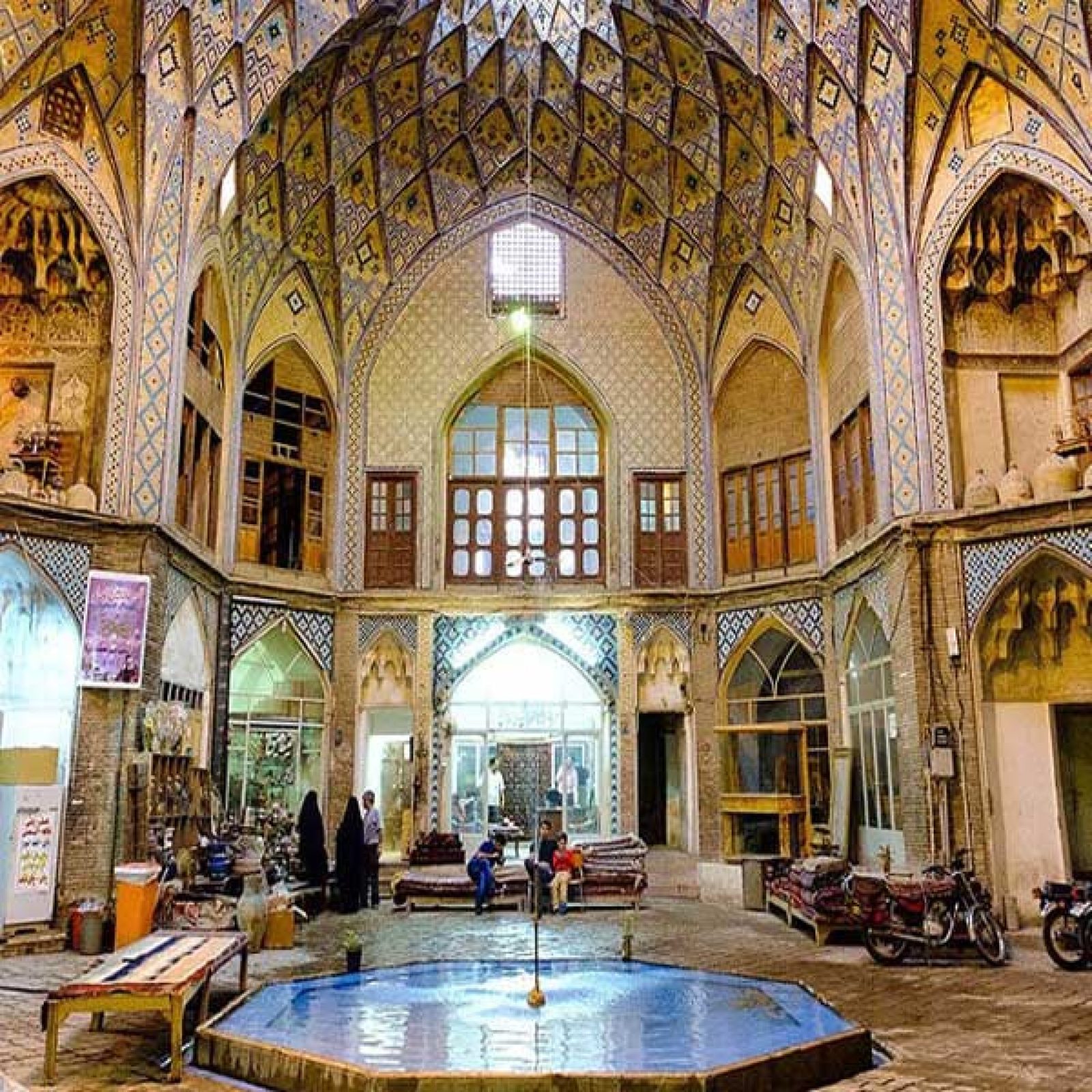
The heart of old Kerman is the Ganjali Khan complex, a Safavid-era ensemble built around a public square by the provincial governor of the same name in the early seventeenth century. Spread over roughly 11,000 square metres, it gathers a caravanserai, a mint, a school, a water reservoir and a bathhouse whose painted vaults and honey-coloured light now house an anthropological museum. The complex opens directly onto Kerman's Grand Bazaar, one of the longest covered bazaars in the country — a corridor of vaulted brick where you can still buy the region's famous pistachios, cumin, dates and hand-knotted carpets, and stop for tea in an old bathhouse turned teahouse. It is a bazaar that still belongs to its city rather than to its visitors; our bazaar experiences are built around exactly that kind of encounter.
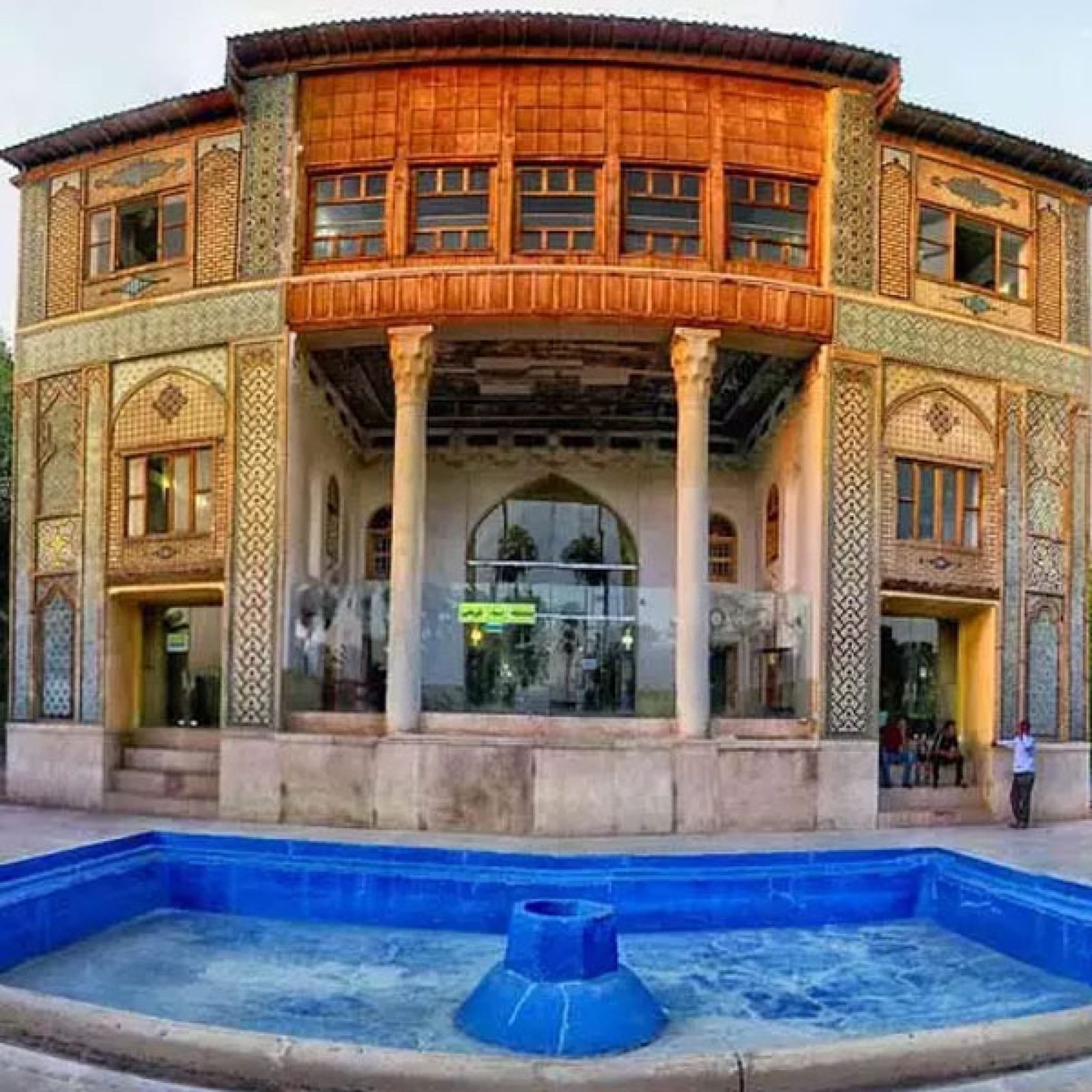
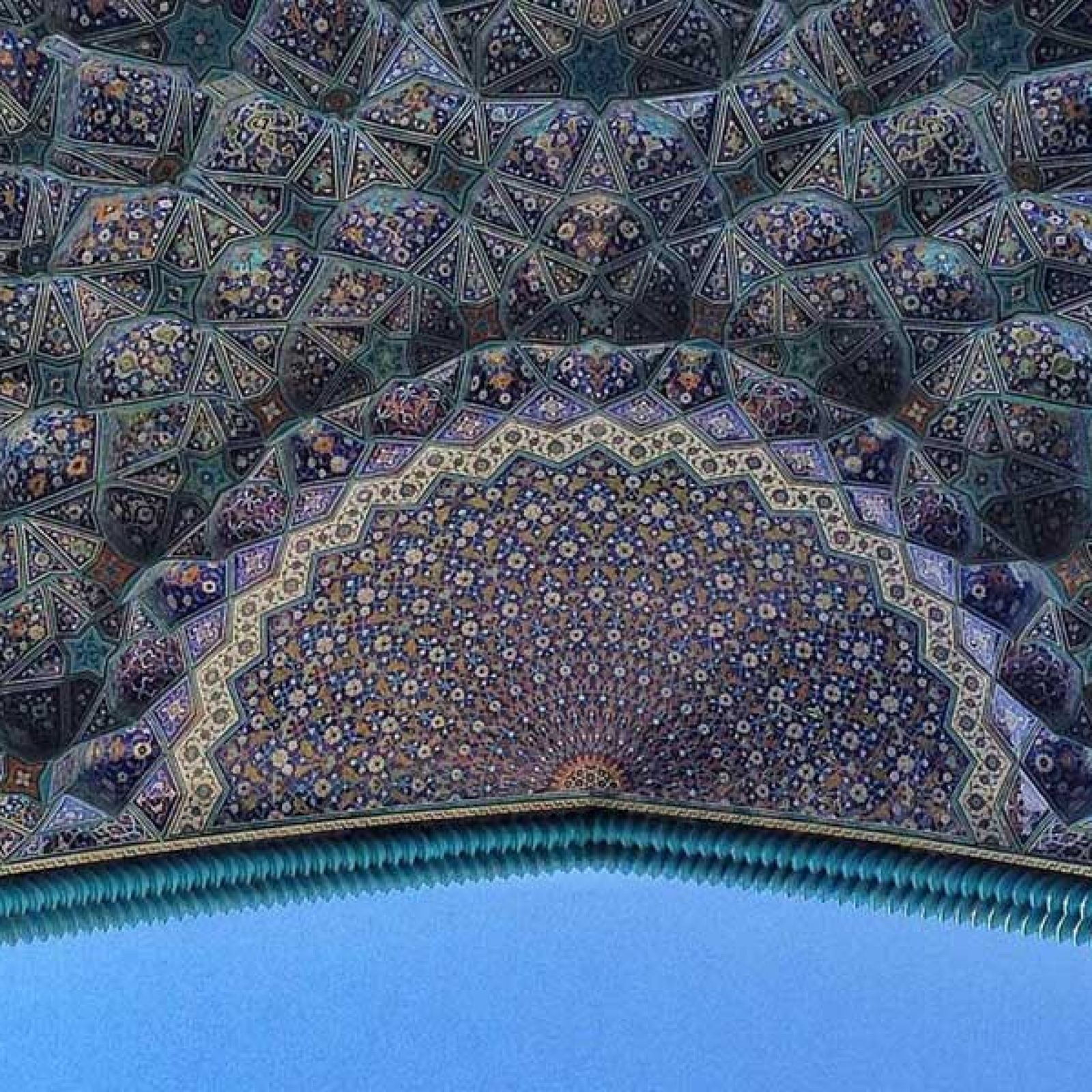
Half an hour southeast of the city, the small town of Mahan holds two of Kerman province's treasures. Shazdeh Garden — the "Prince's Garden" — is a late-Qajar terraced garden inscribed on the UNESCO World Heritage list as one of the nine Persian gardens, its stepped watercourses fed by mountain snowmelt carried down through qanats. Arriving from the dry plain and stepping through its gate into cypress shade and falling water is the whole logic of the Persian garden in a single moment. Nearby stands the shrine of Shah Nematollah Vali, the Sufi poet and mystic who died in 1431; its turquoise dome, twin minarets and rare eleven-pointed star tilework make it one of the most distinctive religious buildings in Iran. Both are easy to combine in a half-day trip from the city — see our full range of Iran destinations for how Kerman fits a wider route.
Kerman province is mud-brick country. About 100 kilometres south, at some 2,200 metres, Rayen Castle rises from the plain as a near-complete adobe fortress — walls, gates, a governor's quarter and a compact maze of houses, all built of sun-dried earth. Larger and more famous is Arg-e Bam, two hours further on, an ancient citadel with roots reaching back over two thousand years that was severely damaged by the earthquake of 2003 and has been under painstaking reconstruction ever since. Seeing both in sequence is a lesson in how Persian desert cities were built, defended and, in Bam's case, patiently brought back.
At sunset the kaluts of the Lut turn copper and rose, and the silence is total — Kerman's greatest sight isn't a building at all.
East of Kerman lies the Dasht-e Lut, listed by UNESCO in 2016 as Iran's first natural World Heritage site and among the hottest, driest places measured anywhere on the planet. Its signature is the kaluts: vast wind-carved yardang ridges that run for kilometres in parallel lines like a ruined city. Go for sunrise or sunset, when the low light does extraordinary things to the sand, and stay for a night sky with almost no competition from human light. Desert nights here can be cool even after searing days, so bring layers. This is the landscape at the centre of our Deserts & Oases journeys, and it can be woven into a longer tailor-made itinerary.
Autumn and winter are the most comfortable seasons in Kerman: from roughly October to April the days are clear and mild, and the desert is genuinely pleasant. Spring is lovely in the city and gardens, while high summer is intensely hot and best confined to early mornings and evenings. Kerman has its own airport with connections to Tehran and Mashhad, and good road and rail links from Yazd, which makes it a natural southeastern extension of a Classic Persia route. Two nights in the city plus one desert night is a comfortable minimum. For visas, money, dress and seasonal advice, see our travel FAQ.
Bazaar tea, garden water, mud-brick walls and a horizon of sculpted sand — Kerman is the reward for travelling a little further into Persia. Tell us your dates and we'll build a private, unhurried itinerary around it: plan my trip.
Published by Arian Tour — Iran travel specialists. Opening hours, road access and desert conditions change with the season; we confirm everything when planning your trip.
 Plan Your Visit
We'll build a private itinerary around Kerman's bazaars, gardens and citadels — and a night under the desert stars.