
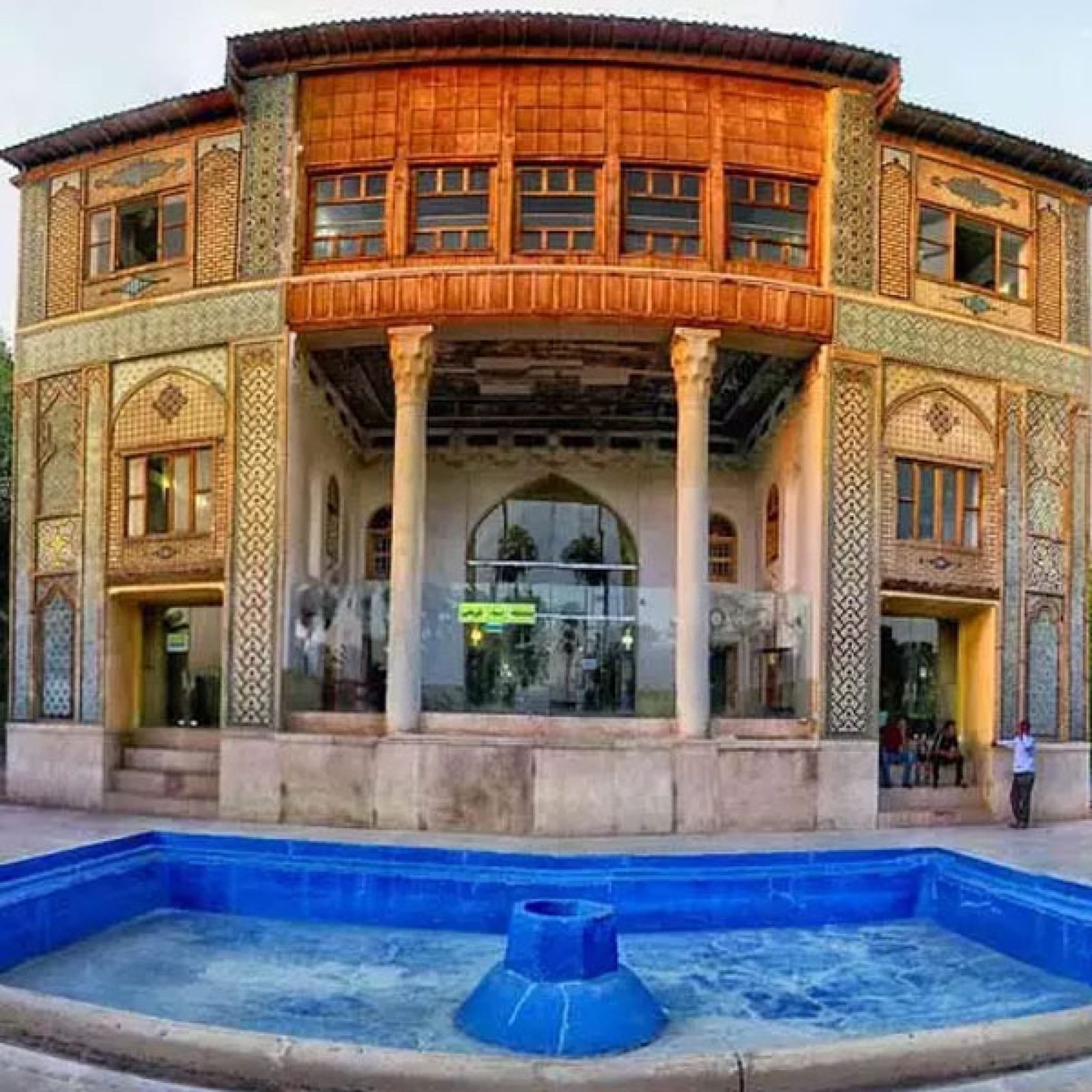
Half-way between Tehran and Isfahan, this desert-edge city hides Persia's finest gardens, grandest merchant mansions and the scent of a thousand roses.
Most travellers meet Kashan as a stop between Tehran and Isfahan — and most wish they had given it longer. Sitting where the central plateau meets the Dasht-e Kavir desert, this ancient oasis town has been trading silk, carpets and rosewater for centuries, and its wealth is written into a remarkable cluster of Persian gardens, mud-brick mansions and painted bathhouses. Compact, walkable and refreshingly unhurried, Kashan rewards anyone who stays the night. Here is how to make the most of it.
Begin at Bagh-e Fin, inscribed on the UNESCO World Heritage list in 2011 as one of nine gardens that together represent the Persian bagh. Laid out in its present form under the Safavids, Fin is among the oldest surviving gardens in Iran — a walled rectangle of cypress avenues, turquoise pools and spring-fed channels that turn the desert edge impossibly green. It is also where the reformist statesman Amir Kabir was assassinated in the garden bathhouse in 1852, a story every local guide will tell. Fin sets the tone for everything Kashan does well: water, symmetry and shade conjured out of an arid land. You'll find more of these green retreats among our Iran destinations.
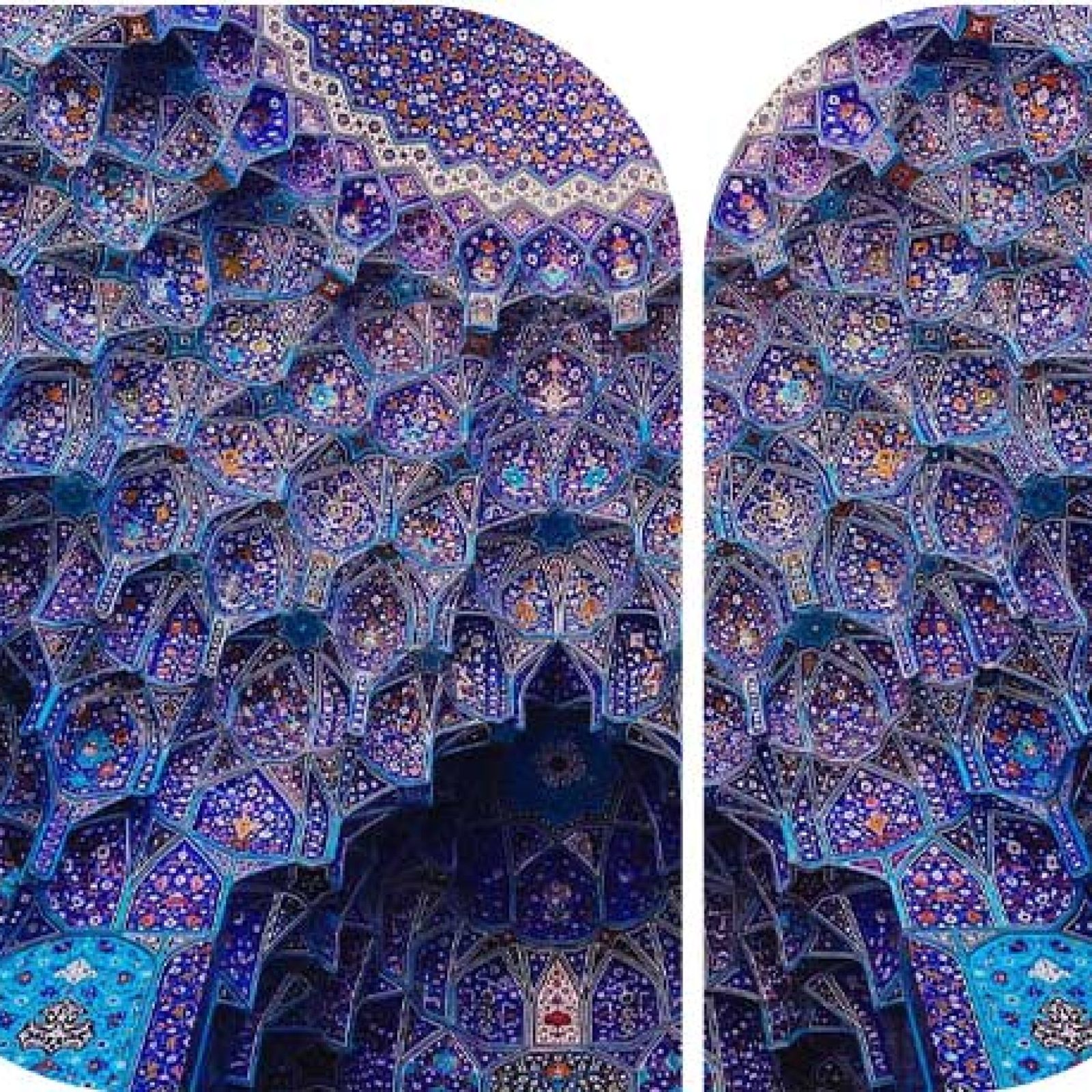
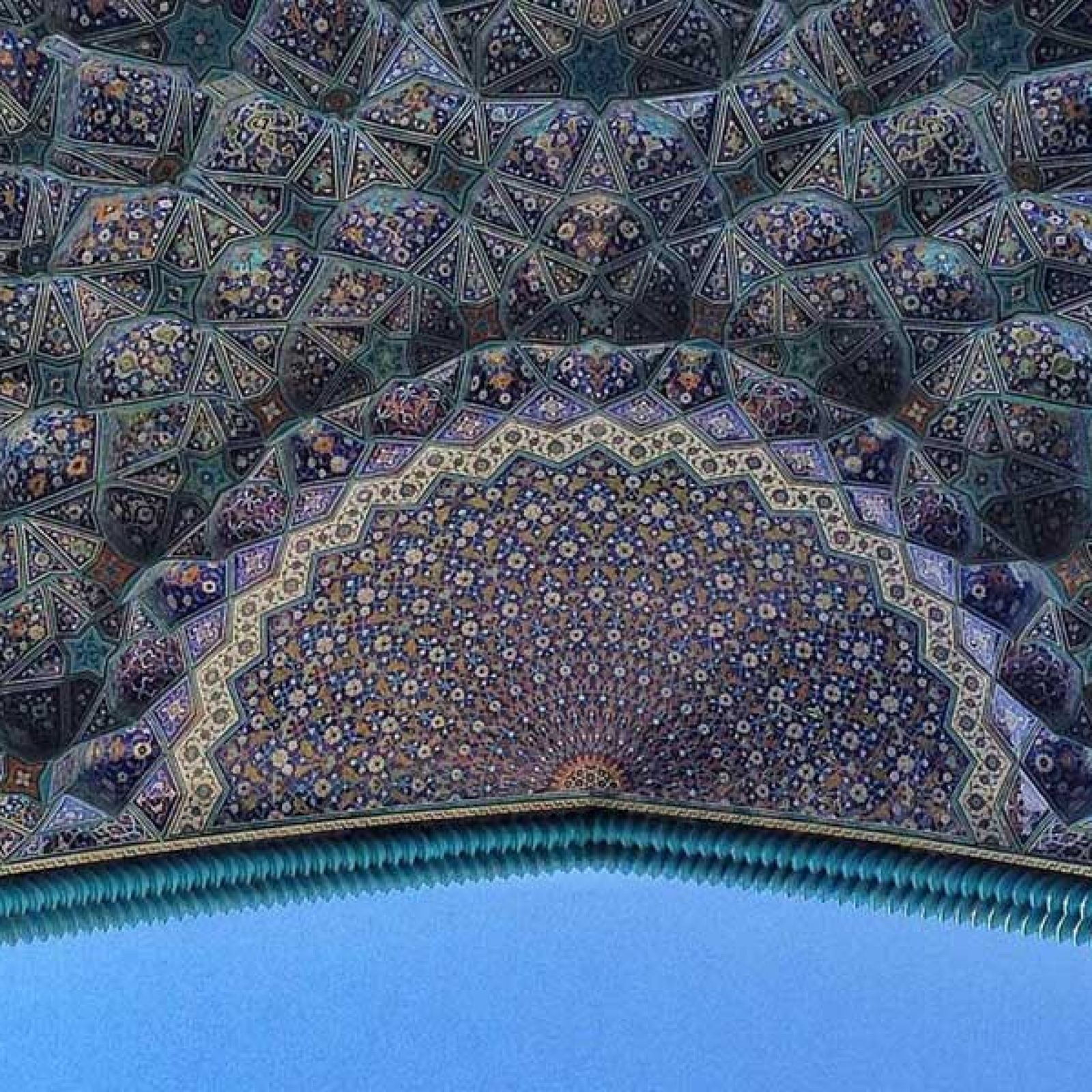
Kashan's 19th-century merchants built some of the most beautiful homes in Iran, and three are open to visitors. The Tabatabaei House spreads across some 5,000 square metres, with forty rooms, four courtyards and stucco and stained glass worked to a jeweller's precision; the neighbouring Borujerdi House was reputedly built to match it as a wedding gift, crowned by tall wind-towers that cool the rooms below. Nearby, the Sultan Amir Ahmad Bathhouse dazzles with turquoise and ochre tilework beneath a honeycomb of domed skylights — climb to its rooftop for the classic view over Kashan's undulating roofline. Round off the old town at the Agha Bozorg Mosque and the covered bazaar, where you can watch coppersmiths and carpet-sellers at work; our bazaar experiences are built around exactly these encounters.
Kashan has distilled rosewater for well over a thousand years, and the rose is woven into the region's identity. In the hill villages of Qamsar and Niasar, the Damask rose blooms for just a few weeks each year, and from roughly mid-May to mid-June the golabgiri harvest fills courtyards and small distilleries with fragrant steam. Visitors are welcome to watch petals go into copper stills and leave with a bottle of the result. Rosewater, textiles and carpet-weaving all feature in our hands-on craft experiences — a lovely way to understand how Kashan actually lives.
Come in spring and the desert edge turns pink and heavy with the scent of roses — Kashan at its most magical.
Kashan makes a natural base for two very different day trips. An hour or so south, the red-mud village of Abyaneh clings to the slopes of the Karkas Mountains — more than 1,500 years old, with ochre houses, latticed wooden windows and elders in distinctive dress who still speak an old dialect. In the other direction lie the salt flats and dunes of the Maranjab desert, best at sunset and unforgettable under the stars. Both pair beautifully with our Deserts & Oases journeys, and we can fold them into a longer tailor-made itinerary.
Kashan is a desert city, so spring (April to early June) and autumn (late September to November) are by far the most comfortable times to visit — spring also brings the roses in bloom. Summers are hot and best enjoyed at dawn and dusk, while winter days are crisp and clear. Two nights let you see the city properly and still fit in Abyaneh or the desert. Most visitors arrive by road or rail from Tehran or Isfahan, making Kashan an easy addition to a Classic Persia route. For visas, money, dress and seasonal advice, see our travel FAQ.
From paradise gardens to rose-scented courtyards, Kashan distils the best of Persia into a single walkable town. Tell us your dates and we'll build a private, unhurried itinerary around it: plan my trip.
Published by Arian Tour — Iran travel specialists. Opening hours, festival dates and access can change with the season; we confirm everything when planning your trip.
 Plan Your Visit
We'll build a private itinerary around Kashan's gardens, houses and desert — at the season that suits you best.