
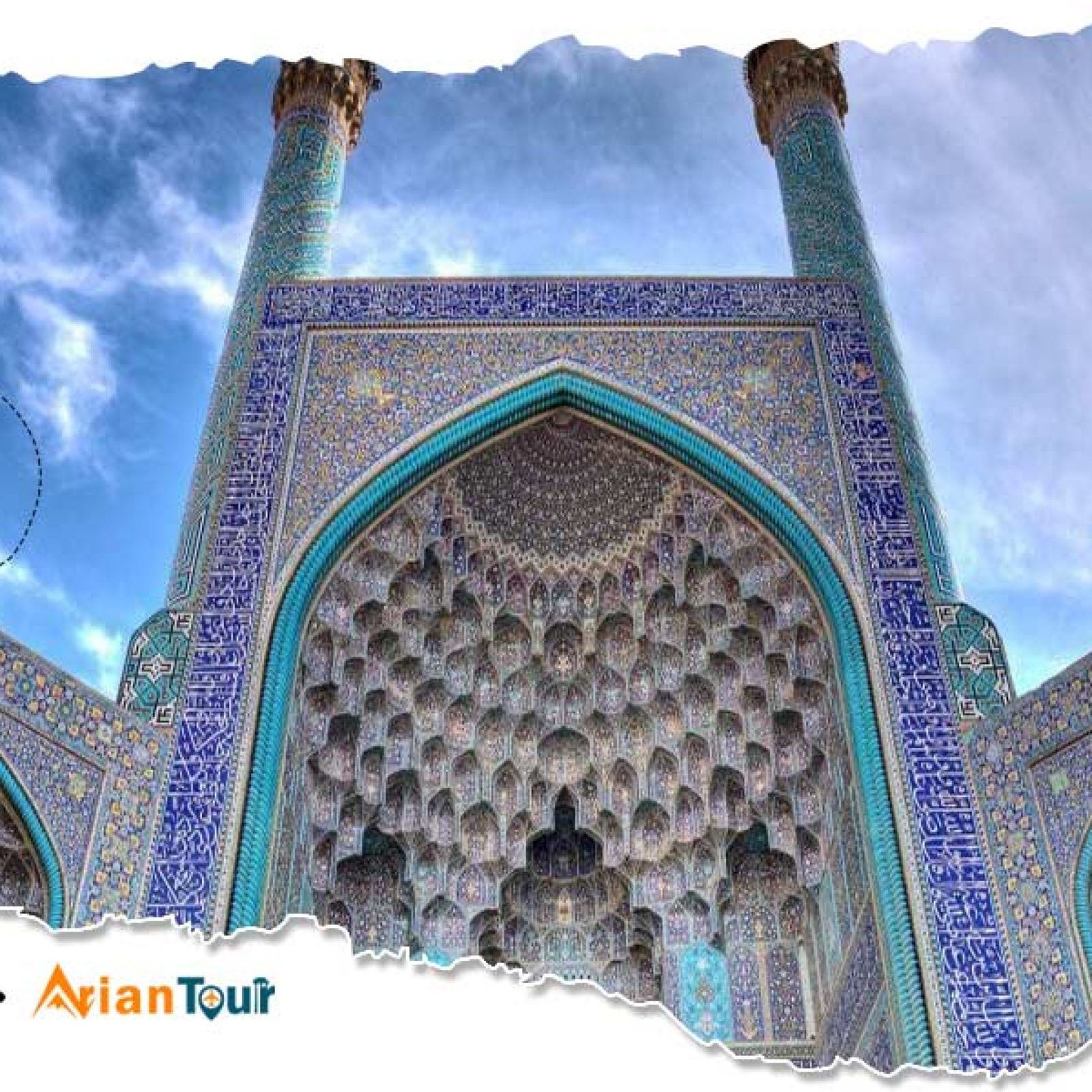
There is a particular blue that belongs to Iran — the turquoise of a dome against a desert sky. Follow it, and it leads you through the country's most beautiful rooms.
Persians have loved blue for a thousand years — the deep cobalt of lapis, the pale green-blue of turquoise mined in the hills near Nishapur, the glaze that echoes both water and sky in a land where water is precious. Across Iran that colour climbs domes, wraps minarets and lines the walls of prayer halls until whole buildings seem to hum. This is a short, photo-led wander through the blue heart of Persia. Take your time; it rewards a slow eye.
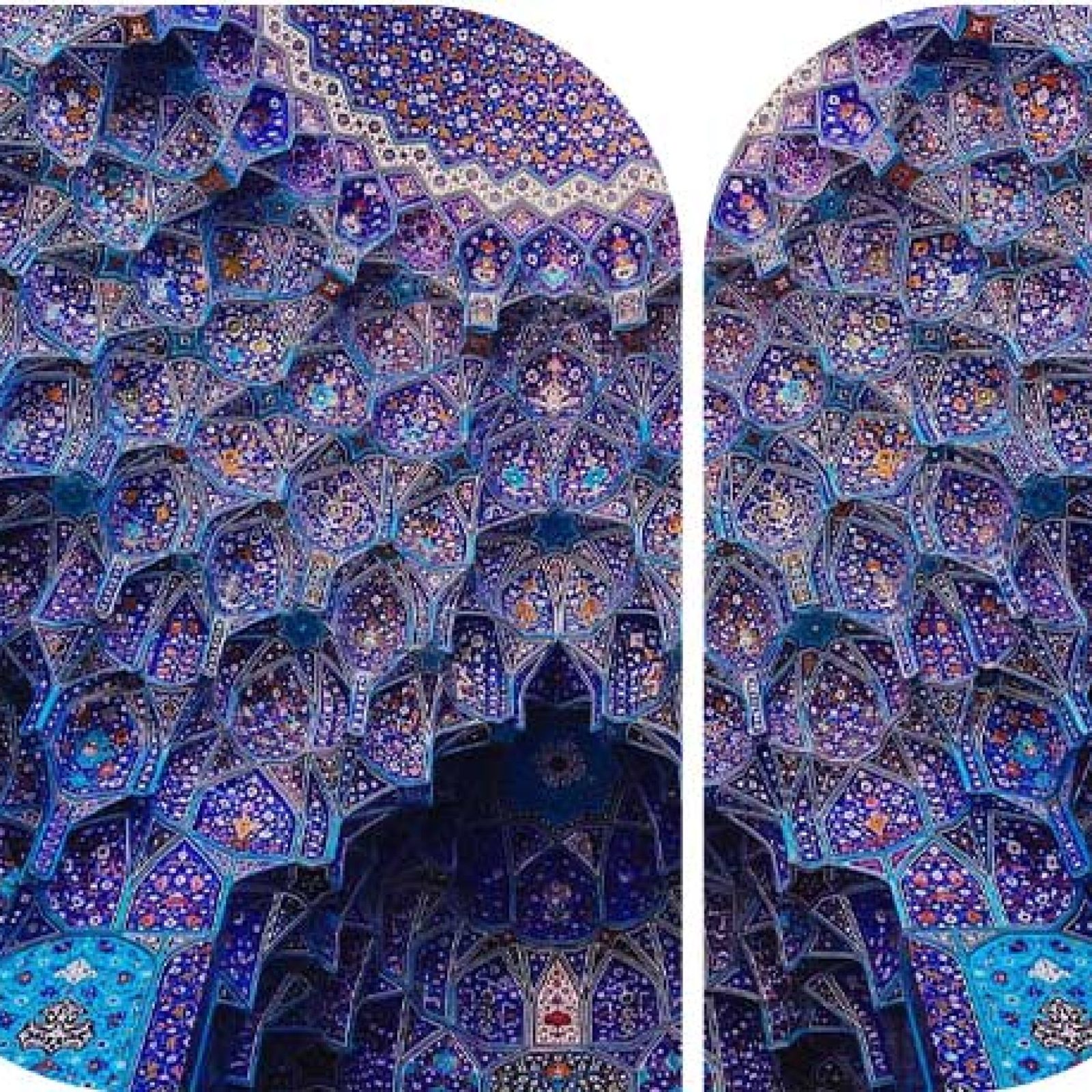
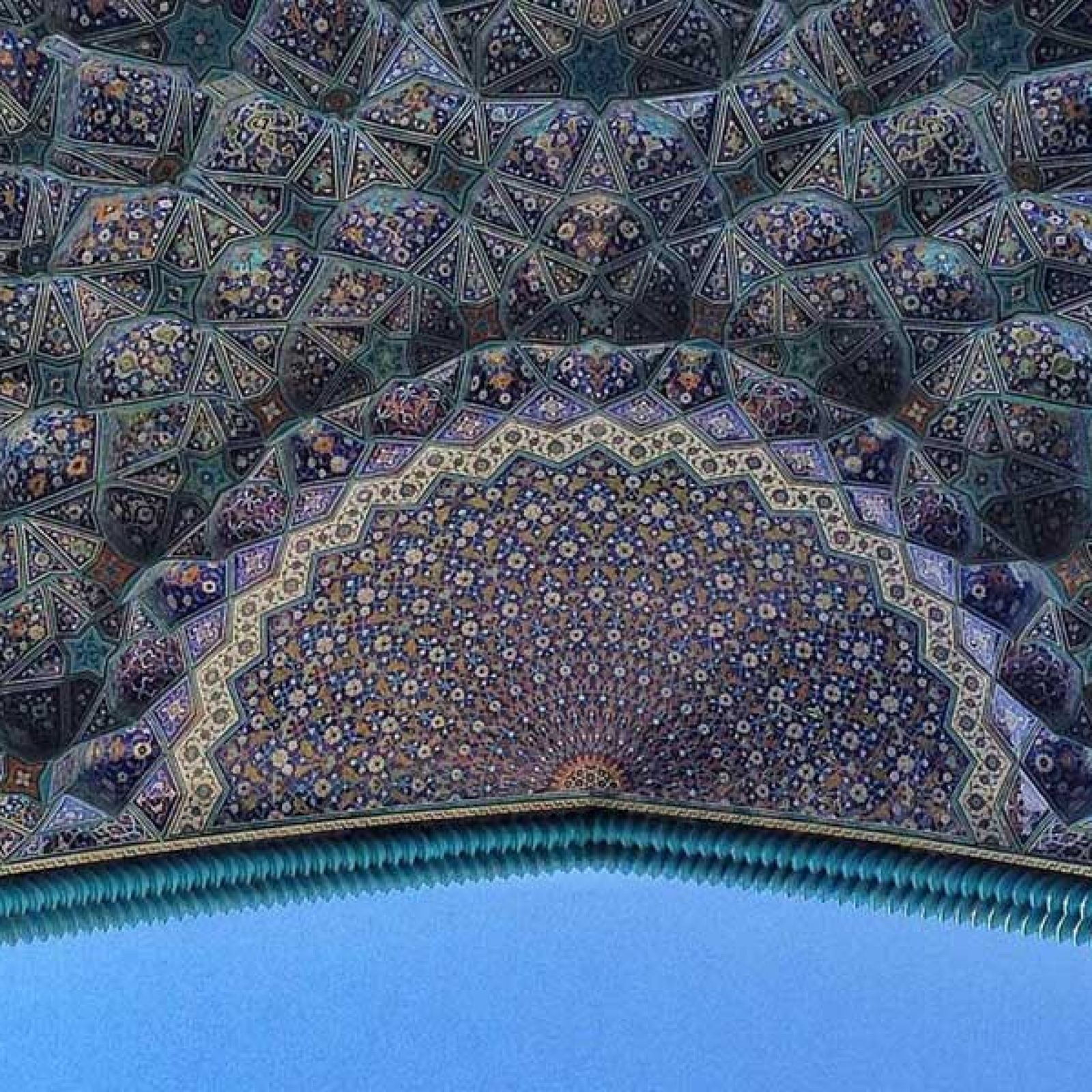
Look closely and the magic is in the making. The finest early tilework was cut mosaic — thousands of hand-shaped fragments fitted like a jigsaw. But in the Safavid age, builders adopted a faster art called haft-rang, meaning "seven colours": each square tile was painted with several colours at once and fired a single time. Less painstaking, perhaps, yet the result glitters brilliantly in sunlight, letting whole façades bloom with vine, blossom and calligraphy. You can still watch tiles being cut and glazed on our craft experiences.
No city wears blue like Isfahan. On the enormous Naqsh-e Jahan Square — a UNESCO World Heritage site laid out in the early 1600s under Shah Abbas — two mosques face each other across the space. The towering Shah (Imam) Mosque overwhelms with scale and a portal of dazzling tile; the smaller Sheikh Lotfollah, once a private royal chapel, hides a dome whose cream tiles shift from rose to gold as the day turns. Stand in the centre at dusk and the whole square glows. Isfahan headlines many of our Classic Persia journeys, and you'll find it among our destinations.
In Isfahan they say the city is "half the world" — and half of it, it seems, is painted blue.
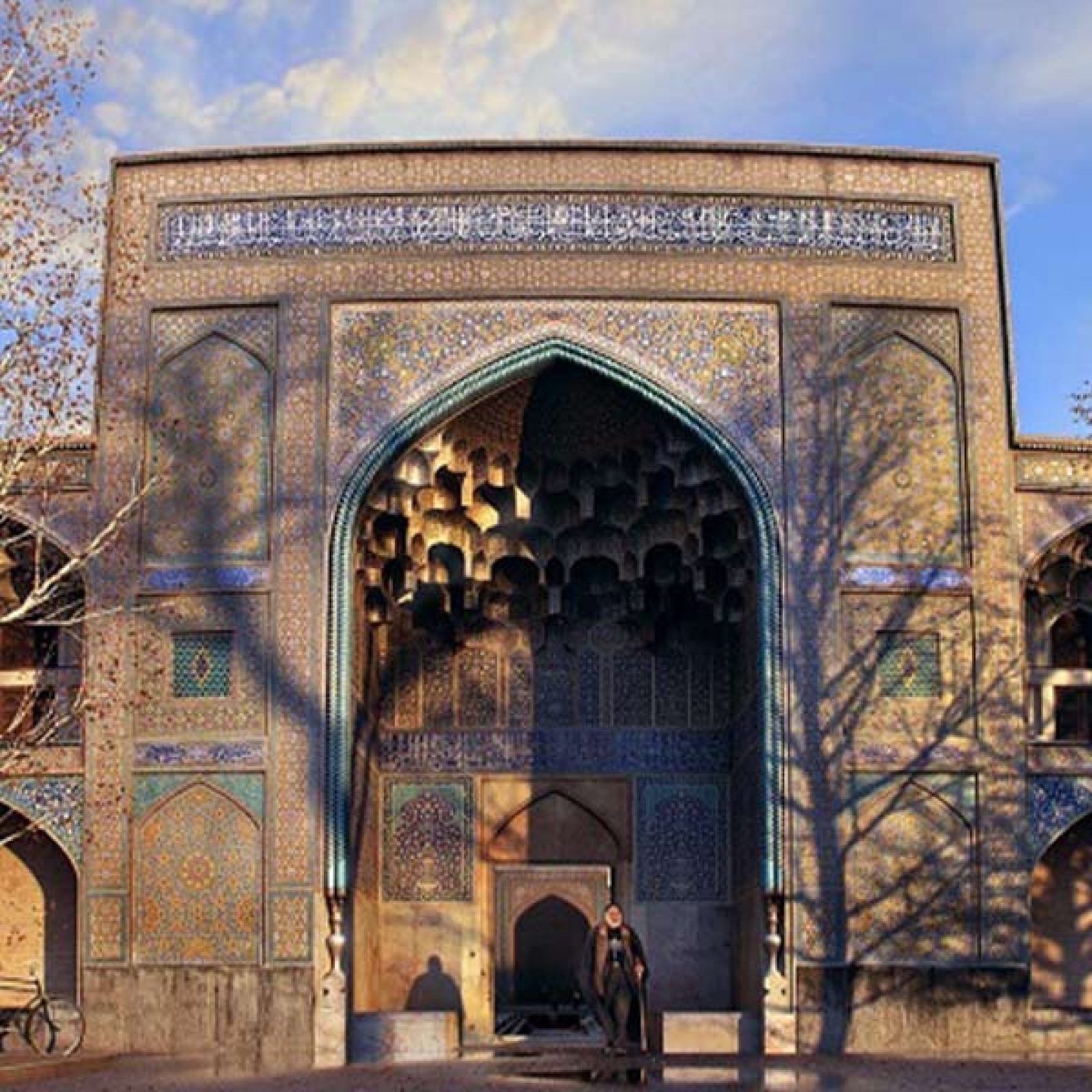
A short walk from the square, the Chaharbagh School raises one of Isfahan's loveliest domes above a quiet courtyard of orange trees and running water. Its minarets and cupola are sheathed in that unmistakable Persian turquoise, and on a bright morning the tilework seems to dissolve into the blue overhead. Built as a theological college in the final flourish of the Safavids, it remains a place of stillness rather than crowds — a reminder that Iran's blue is not only monumental but domestic and gentle too.
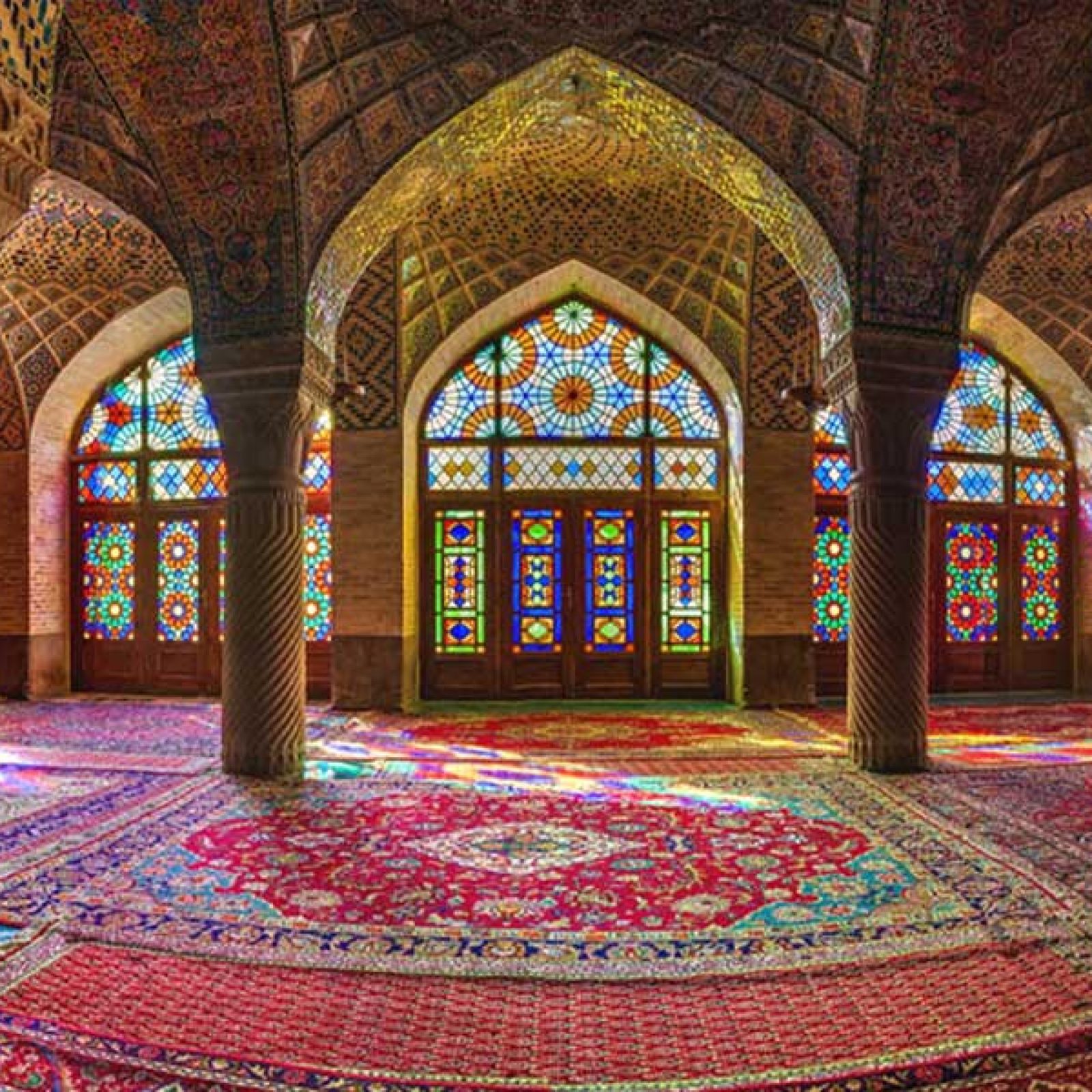
Head south to Shiraz and the palette breaks open. The Nasir al-Mulk Mosque, finished in 1888 in the Qajar era, is famous for something rare in a mosque: walls of stained glass. Arrive early — roughly between 7:30 and 9:00 in the cooler months — and the low sun pours through the coloured panes, scattering pools of ruby, emerald and blue across the Persian carpets like a shower of light. Photographers adore it, but it is worth simply standing in the glow for a while. Shiraz, city of poets and gardens, anchors our southern routes.
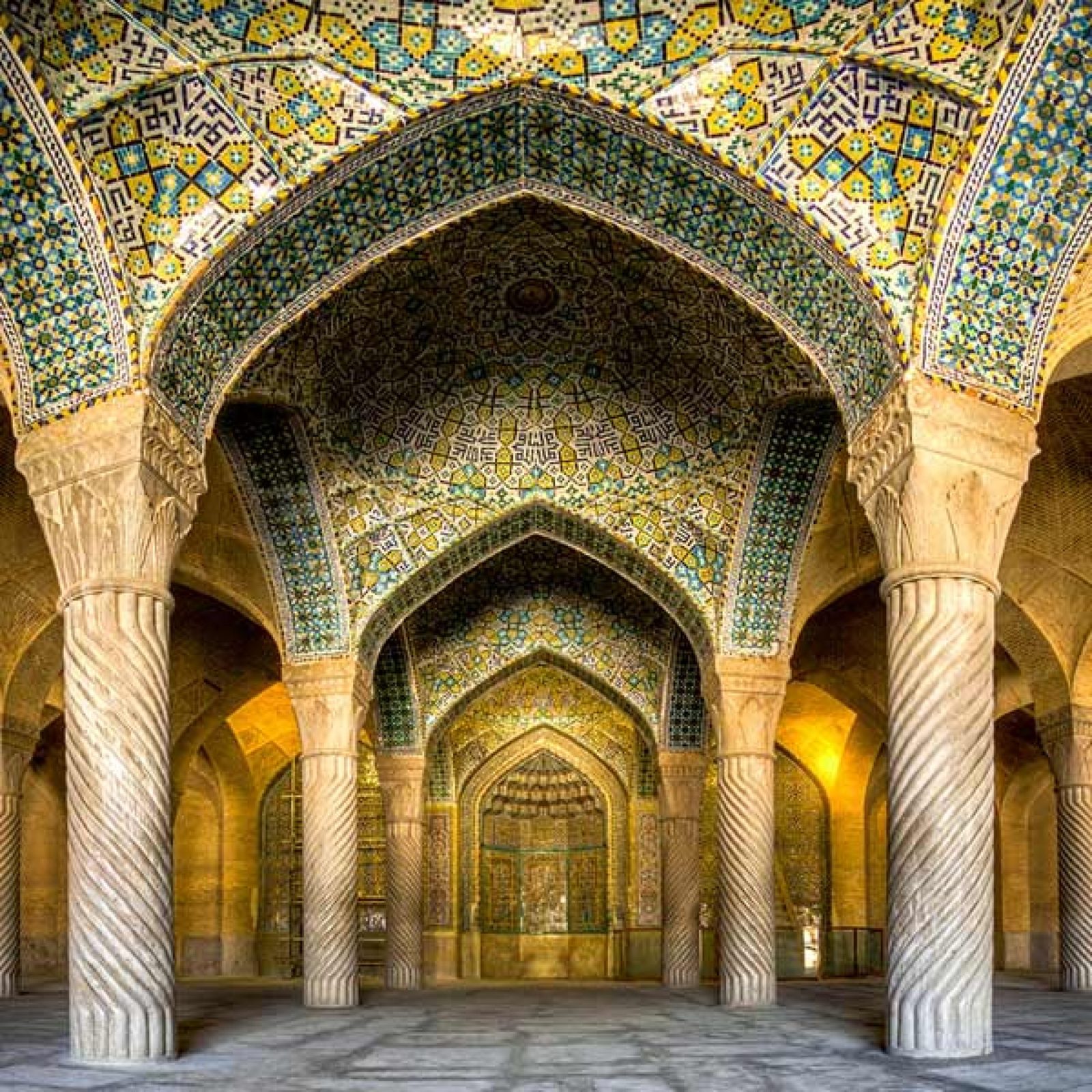
Also in Shiraz, the Vakil Mosque shows a softer, later face of Persian tile. Built in the 18th-century Zand period, its prayer hall rests on forty-eight spiralling stone columns, and its tiles favour a distinctive pink-and-yellow floral style set against cool blue grounds. It is easy to pair with the neighbouring Vakil Bazaar, where the same love of pattern spills into carpets, spices and copper. Together they make one of the most rewarding half-days in the country.
Blue in Iran is never only decoration. It is a way of pointing the eye upward, of turning brick and mortar into something that feels like sky and water made solid. See a handful of these places in a single trip and you begin to read the whole country in that one colour. When you're ready to travel, tell us what moves you and we'll build a private, unhurried itinerary around it — the domes, the light and the quiet courtyards in between: plan my trip. For practical questions on visas, seasons and dress, our travel FAQ has you covered.
Published by Arian Tour — Iran travel specialists. Opening hours and the best light for photography vary by season; we confirm timings when planning your visit.
 Plan Your Visit
We'll build a private, tailor-made itinerary around Persia's great mosques, domes and tile art — at the right hour for the light.