
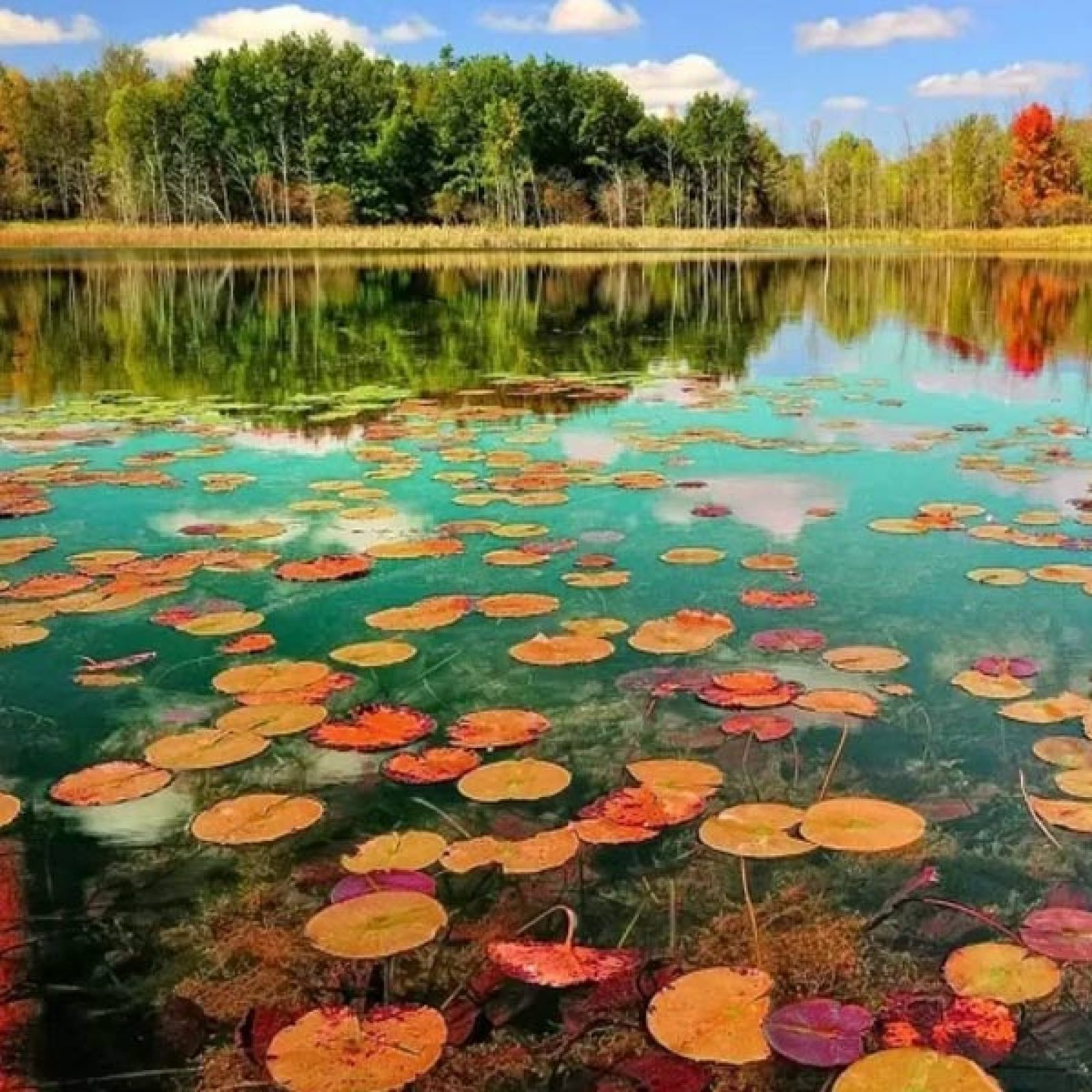
A land famous for deserts is secretly shaped by water — sea coasts, lagoons, mountain streams and gardens built around the sound of fountains.
Ask most people to picture Iran and they will conjure sand, domes and desert light. Yet spend a few weeks travelling the country and you notice a quieter theme running beneath everything: water. Iran touches two seas, hides one of the world's great wetlands behind its northern mountains, channels snowmelt through streams and ancient underground canals, and has spent two and a half thousand years perfecting the art of the garden built around a pool. This is a photo-led wander along Iran's waterlines — from the green Caspian shore to the red beaches of the Persian Gulf. Follow the water, and it will show you a different country.
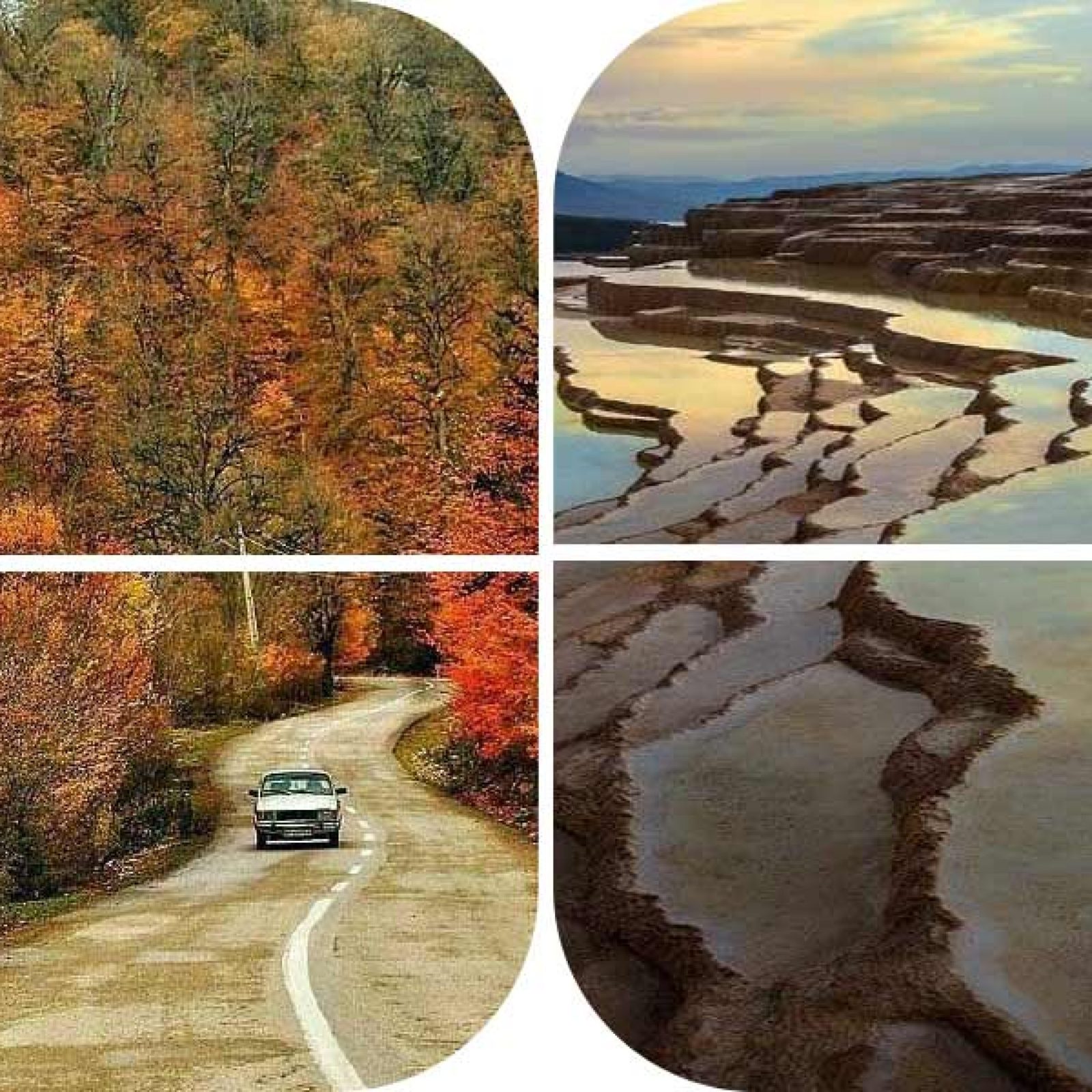
Cross the Alborz Mountains from Tehran and the desert palette vanishes in an hour. On the far side lies Shomal — "the north" — a humid, green ribbon of land squeezed between the peaks and the Caspian Sea, the largest enclosed body of water on Earth. Tea terraces climb the foothills, rice paddies mirror the clouds, and fishing harbours sell the morning's catch by the quay. It feels closer to the Caucasus than to the plateau, and it is where Iranians themselves go to breathe. You'll find these landscapes among our northern destinations.
Where the Caspian meets the port of Bandar-e Anzali, the sea folds inland into a vast freshwater lagoon — an internationally protected wetland threaded with reed channels and, in season, carpeted with lotus flowers. Local boatmen ferry visitors through the maze, past floating villages and fishermen at their nets, while herons, terns and migrating ducks work the shallows; autumn and winter bring the great flocks south from Russia and Siberia. It is one of the most peaceful mornings you can spend in Iran, and a highlight of our Nature & Caspian journeys.
In Persian, a garden without water is not yet a garden — and a journey through Iran without water is not yet complete.
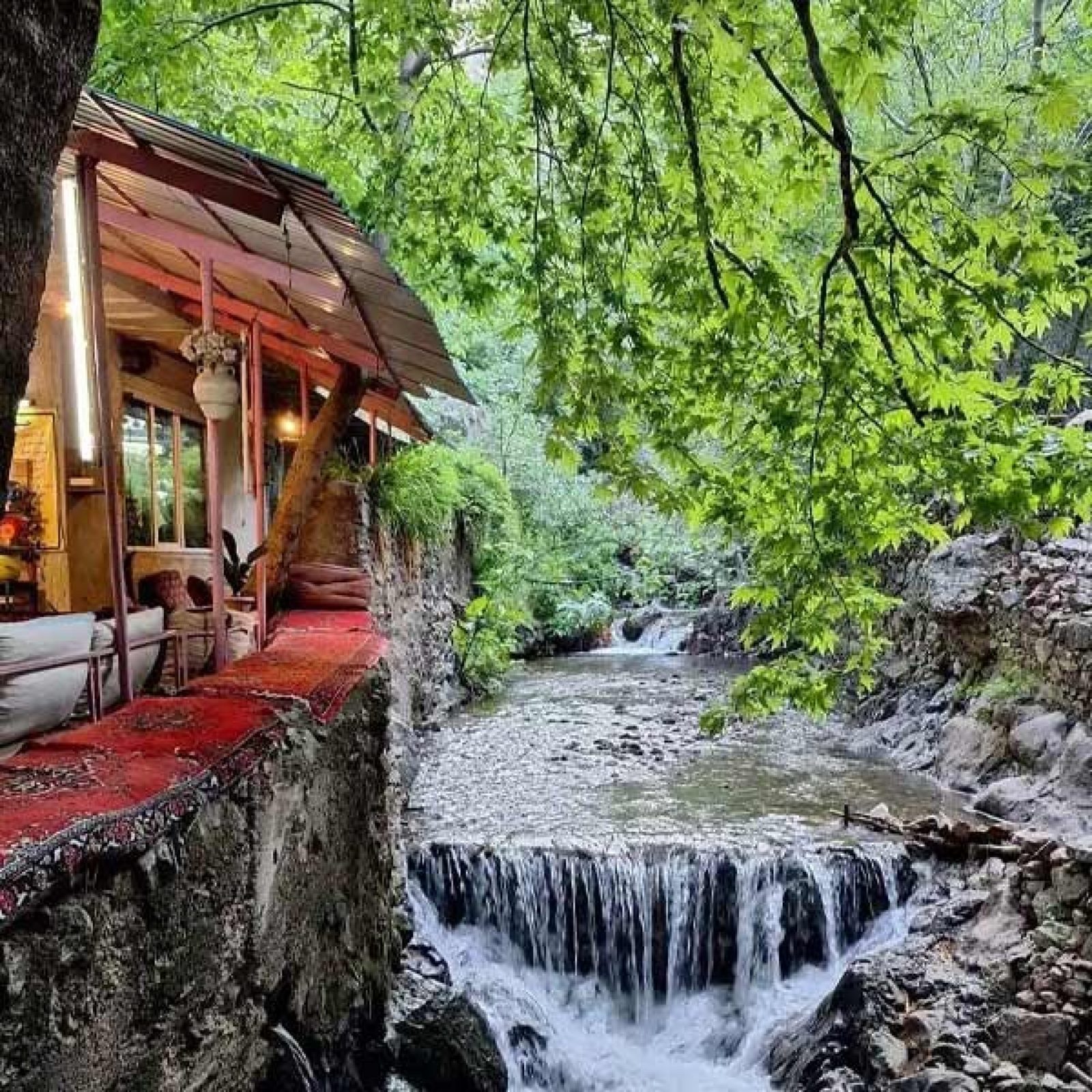
Water in Iran often means snowmelt, and nowhere is that more sociable than Darband, where a mountain stream comes rushing off the Alborz straight into Tehran's northern edge. A stone path climbs beside the water past strings of lights, fruit-stalls and teahouses whose platforms hang over the current; on summer evenings half the city seems to be up here, trading the heat below for spray-cooled air. Order tea, listen to the water, and watch the capital soften. It is the easiest add-on to any day among Tehran's palaces and museums — see our Tehran guide.
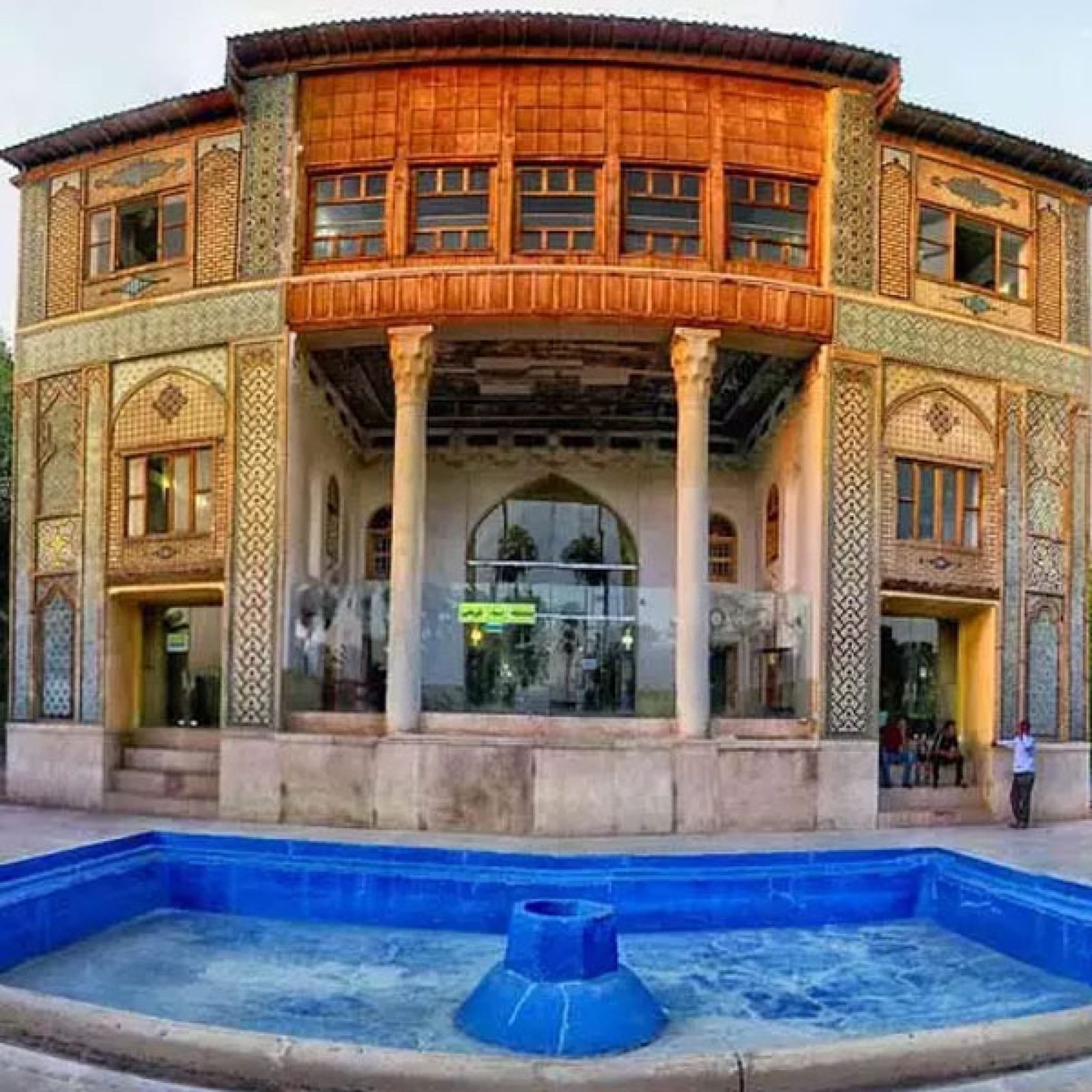
The Persian garden — celebrated on UNESCO's World Heritage list — is really a hymn to water in a dry land. For centuries, underground canals called qanats carried mountain snowmelt beneath the desert to feed pools, fountains and orchards laid out in the fourfold chahar bagh pattern. In Shiraz's Delgosha Garden, one of the city's oldest, a central channel still runs glittering between orange trees toward a pillared pavilion. Sit on the edge, listen, and you understand why Persian poetry returns endlessly to running water. Gardens like this anchor our Shiraz days and our cultural experiences.
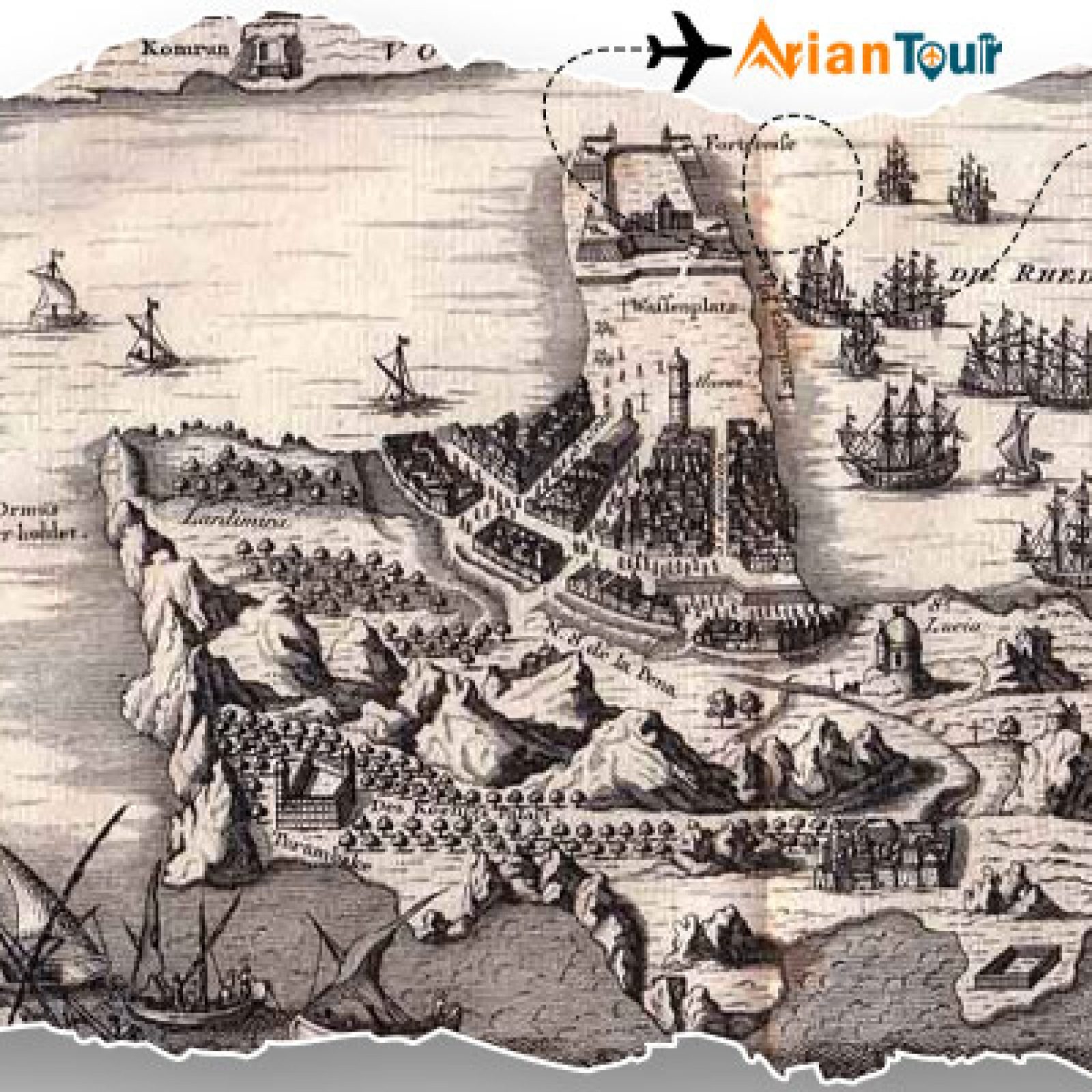
Finish in the far south, where Iran meets the Persian Gulf. On tiny Hormuz Island, iron-rich soil paints the shoreline crimson, and after rain the sea itself can blush red where the famous Red Beach meets the turquoise gulf — one corner of an island whose hills shade through ochre, silver and violet. The cooler months from around November to March are the sweetest time to wander its beaches and salt caves. Pair it with neighbouring Qeshm and Kish for a full southern chapter — see our Kish & Hormuz pages.
Sea to lagoon, stream to fountain, gulf to garden — water is the thread that stitches Iran's landscapes together, and following it takes you from the country's greenest corner to its most surreal shore. If this way of seeing Iran speaks to you, tell us and we'll build a private itinerary along the waterlines — with time to sit by the channel, ride the lagoon boat and wait for the light: plan my trip. For practical questions on visas, seasons and what to pack, our travel FAQ is the place to start.
Published by Arian Tour — Iran travel specialists. Seasonal water levels, boat services and access can vary through the year; we confirm current conditions when planning your trip.
 Plan Your Visit
We'll craft a private, tailor-made journey along the coasts, lagoons and garden fountains of Persia — at the gentlest pace.