
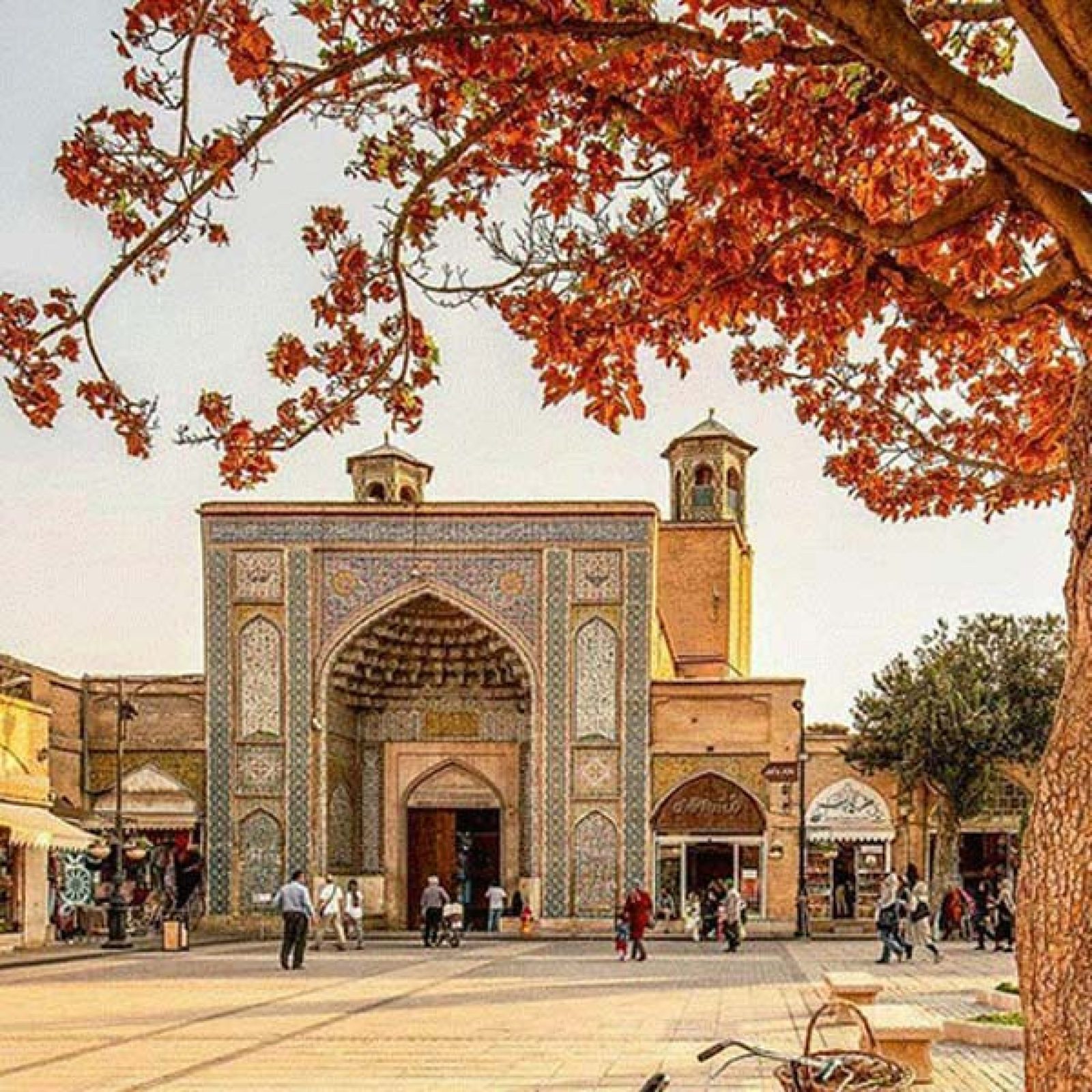
From late summer into autumn, Iran gathers its treasures — and travellers who time it right get to taste the country at its most generous.
Every country has a season when the land gives back, and in Iran that season stretches gloriously long — from the first dates of late summer to the last saffron flowers of November. Ask Iranians what autumn smells like and you'll hear the same answers: ripe pomegranates split on the branch, fresh dates soft as honey, and the faint, unmistakable perfume of saffron drying over low heat. If you're planning a trip between now and early winter, here's what's ripening, where, and how to weave the harvest into your journey.
The harvest year opens in the hot south, where date palms hang heavy from August onwards. Depending on the region and variety, picking runs from late summer well into autumn — Fars province begins around early August, while other growing areas continue through November. Iran is among the world's great date producers, and southern oasis towns turn the harvest into a way of life: palm groves buzz with ladders and baskets, and bazaar stalls pile high with mazafati and other prized varieties. Travelling the warm south, from the Persian Gulf islands to the desert fringe, this is the sweetest souvenir you can carry home.
By late September the pomegranate — Iran's beloved anar — takes over. Orchards across the central plateau glow with red fruit through October and into November, and towns famous for their pomegranates hold lively harvest celebrations where growers sell juice, syrup and fruit straight from the orchard. The pomegranate is stitched deep into Persian culture, from ancient carvings at Persepolis near Shiraz to the walnut-and-pomegranate stew fesenjan simmering in family kitchens. Autumn menus everywhere turn ruby-red: look for fresh juice pressed at street corners and ash-e anar, a warming pomegranate soup.
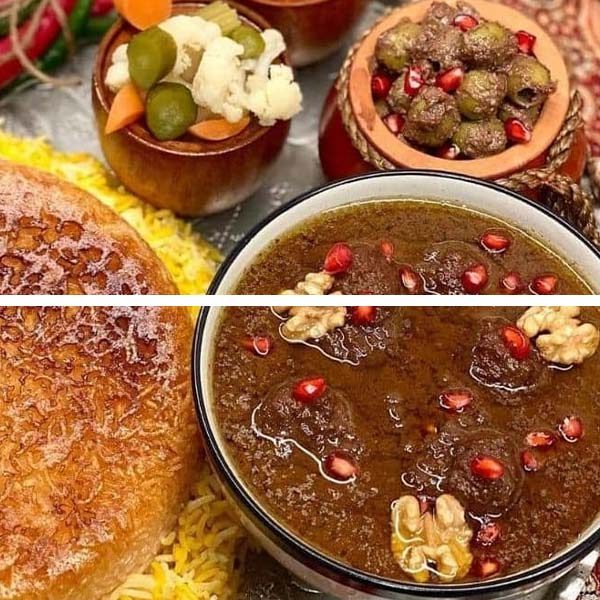
The season's grand finale belongs to saffron. For roughly two to three intense weeks from late October into November, the fields of Khorasan in eastern Iran — the heartland of the world's finest saffron — turn purple with crocus flowers. Picking happens by hand in the cool hours around dawn, before the sun opens the blooms, and whole villages join in; inside each flower are just three crimson threads, which explains why saffron is worth more than its weight in almost anything. Watching the harvest, then tasting saffron ice cream or a golden tahchin the same day, is one of Iran's great seasonal experiences — a natural fit for our Food & Bazaars tour.
Inside every crocus flower are three crimson threads — picked by hand, at dawn, for a few short weeks a year.
You don't need to reach a farm to feel the season. Iran's covered bazaars are where the harvest converges: pyramids of dates, sacks of new walnuts and barberries, strings of dried figs, and saffron sold from tiny glass-topped tins. Autumn is the best window of the year for our guided bazaar walks and food experiences — vendors are proud, produce is at its peak, and prices are at their friendliest. It's also prime season for cooks: many travellers time a cooking class so their fesenjan is made with the year's new pomegranate molasses.
Harvest season doubles as Iran's loveliest travel weather: after the summer heat, October and November bring mild days, crisp evenings and golden light across the plateau. Pack layers, comfortable walking shoes and an appetite. Exact picking dates shift with the weather each year, so if seeing a specific harvest matters to you, tell us early and we'll build the routing around it. For visas, money and what to wear, our travel FAQ covers the essentials.
If you'd like to stand in a purple saffron field at dawn, or taste a pomegranate minutes off the tree, this is the season to come. Tell us your dates and we'll craft a private harvest-time itinerary around them: plan my trip.
Published by Arian Tour — Iran travel specialists. Harvest timings vary by region and year with the weather; we confirm seasonal details when planning your trip.
 Plan Your Visit
We'll build a private, tailor-made itinerary around the harvest — saffron fields, orchards, bazaars and the season's best tables.