
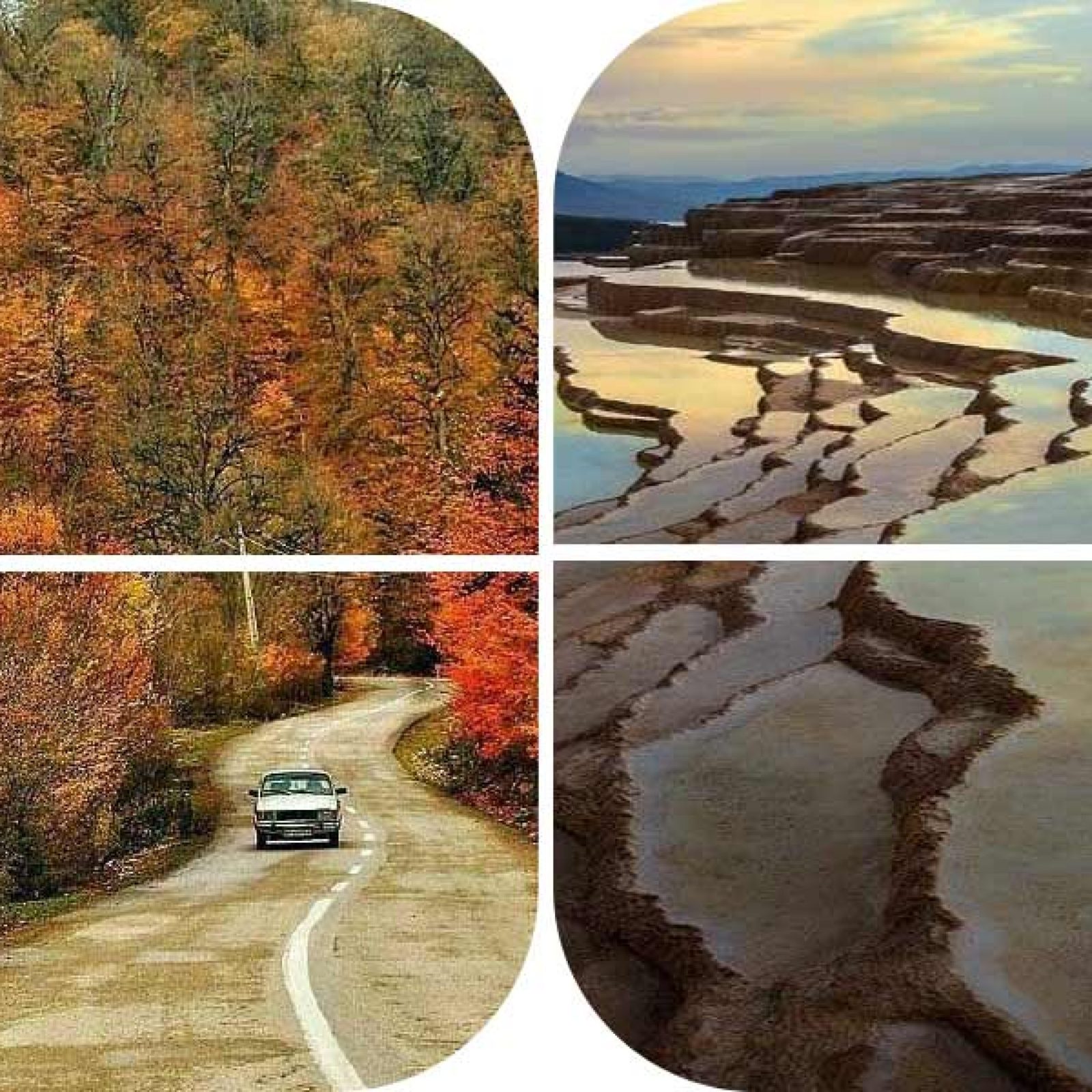
Everyone pictures Iran as golden desert and turquoise domes. Then you cross the Alborz Mountains, and the country turns emerald.
Say "Iran" and most people imagine sand, sun and the great domes of the desert cities. All of that is real and unforgettable — but it is only half the picture. Drive north from Tehran, climb over the Alborz range, and the light changes: the air thickens, the hills go green, and suddenly you are in a landscape of rain forests, tea terraces and misty villages that looks nothing like the postcards. This is Shomal, "the north", and it is where Iranians themselves come to breathe. Here is that other, greener Iran in pictures.
The Caspian provinces of Gilan and Mazandaran are Iran's green heart. This is one of the country's main rice-growing regions, and in the foothills around Lahijan the tea plantations turn whole hillsides a soft, striped green. It is a humid, unhurried world of wooden houses, roadside stalls piled with olives and garlic, and forests so damp they grow thick with moss and fern. You can trace the whole coast among our northern destinations.
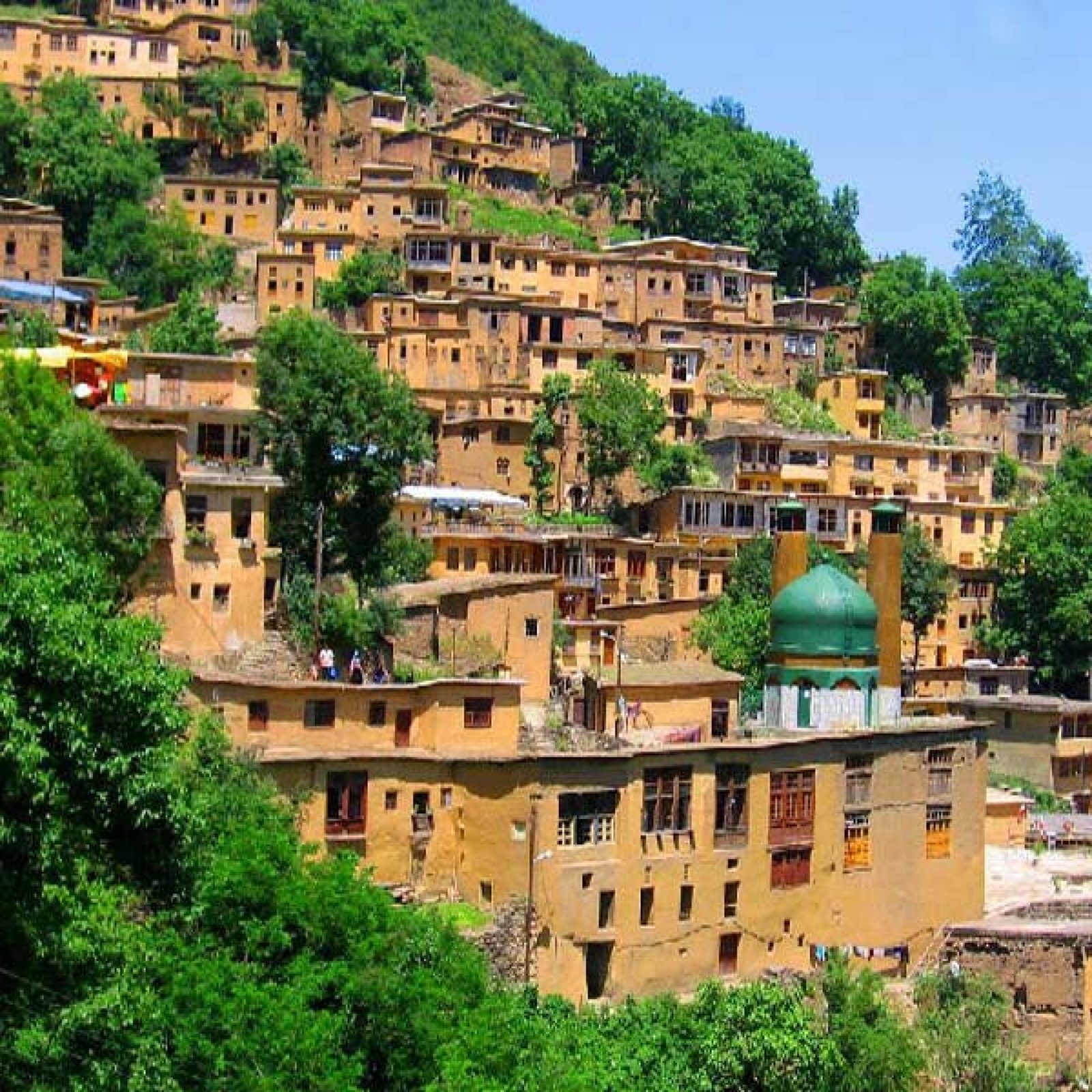
Masuleh is the north's most photographed village, and it earns it. Cars are banned — there is simply nowhere to put them — so the terraced rooftops double as footpaths and public squares, and life spills across the levels in a way no modern town allows. Wander up through the mist, buy a glass of tea, and watch the valley appear and disappear below you. Villages like this anchor our slow, small-group Nature & Caspian journeys.
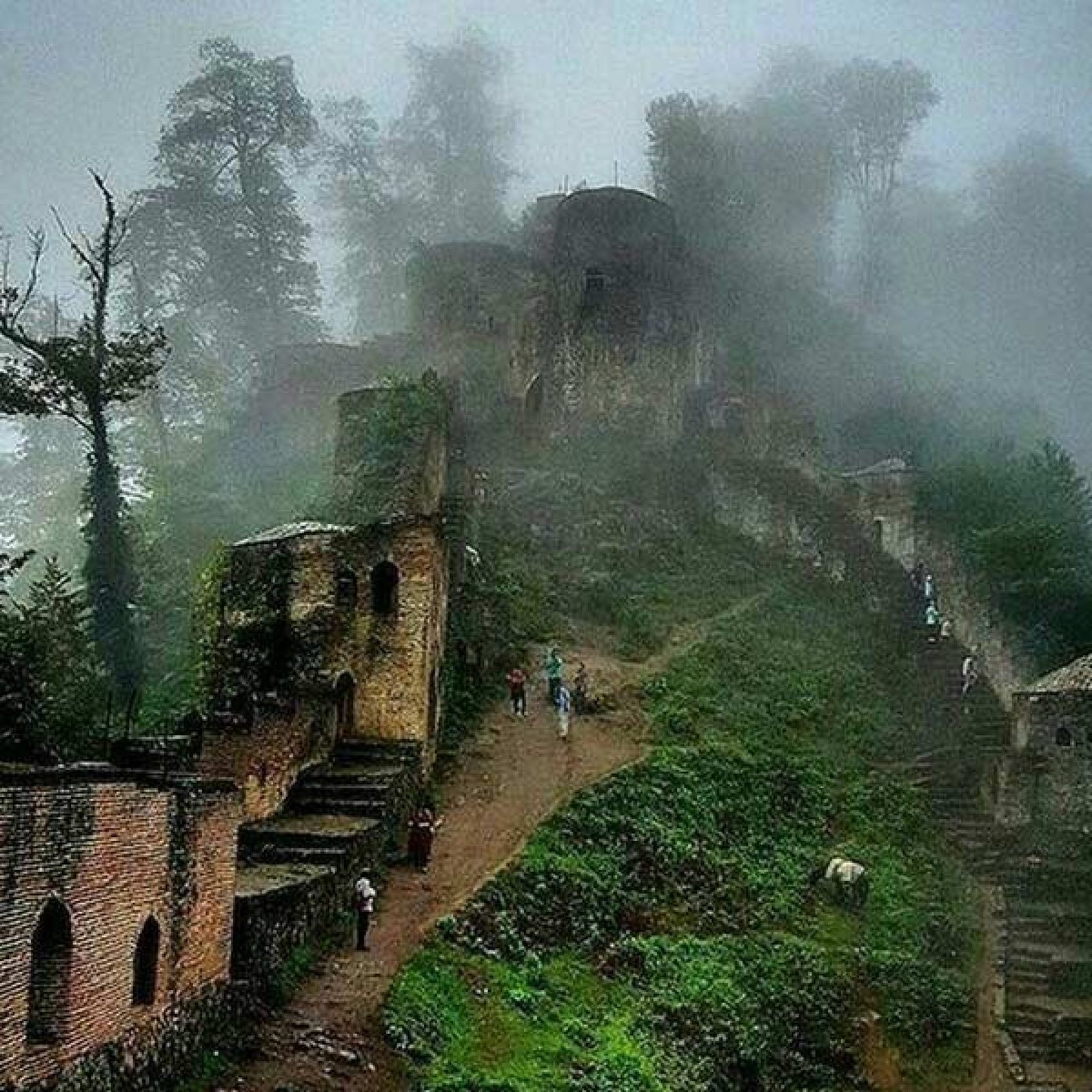
Few ruins reward the effort like Rudkhan. The climb winds up through humid forest for an hour or more, past streams and tea houses, before the ramparts finally rise out of the greenery along the ridgeline. It is the kind of half-day adventure that stays with you — part hike, part treasure hunt — and a favourite on our active experiences.
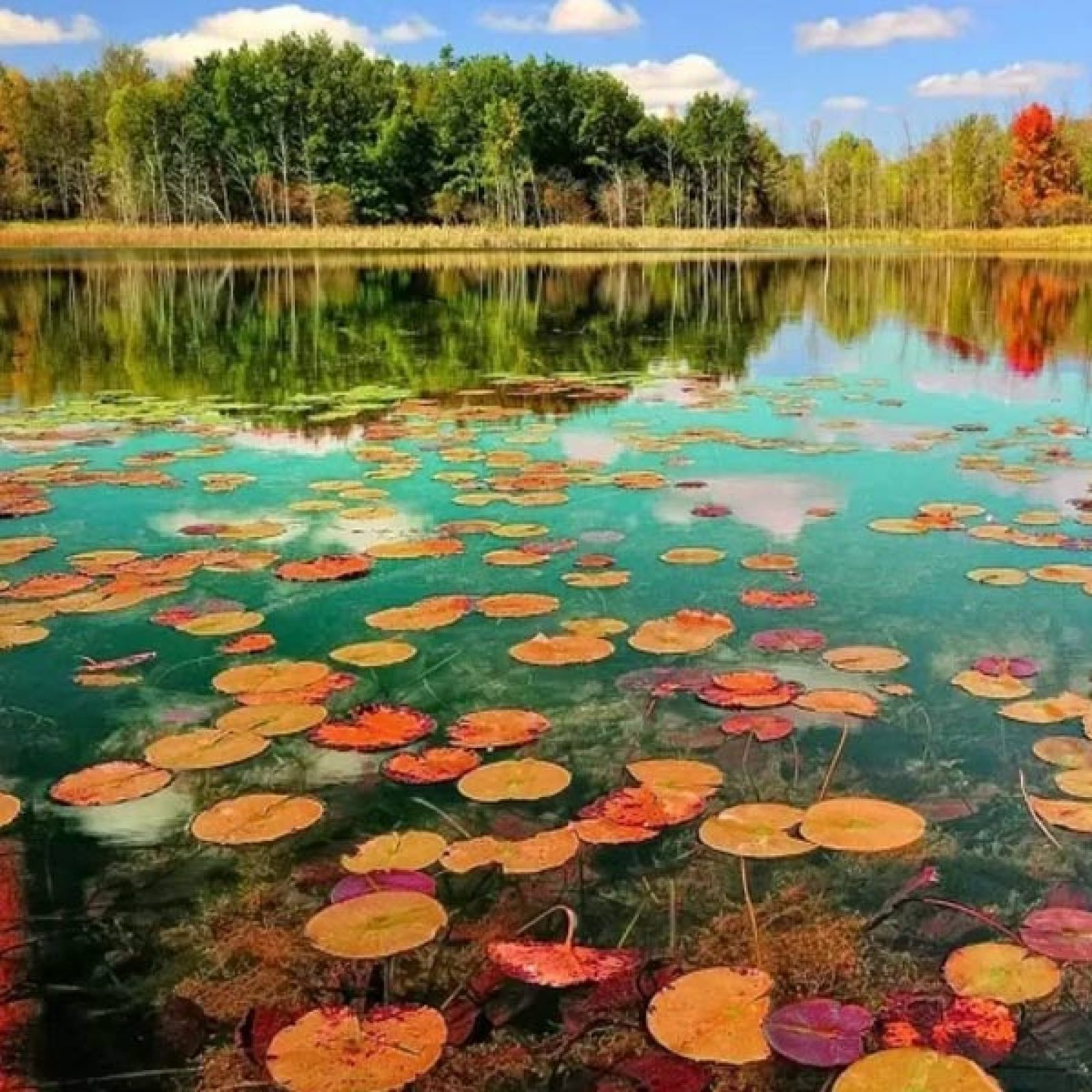
Glide out by small boat at dawn and the lagoon feels like another planet — channels of open water threading between rafts of lotus, herons lifting from the reeds, fishermen drifting past in silhouette. It is one of the world's recognised international wetlands, and one of the gentlest, most restorative mornings you can spend in Iran.
Cross the mountains and Iran stops being a desert country. It becomes forest, mist and rain — a landscape hardly any first-time visitor expects.
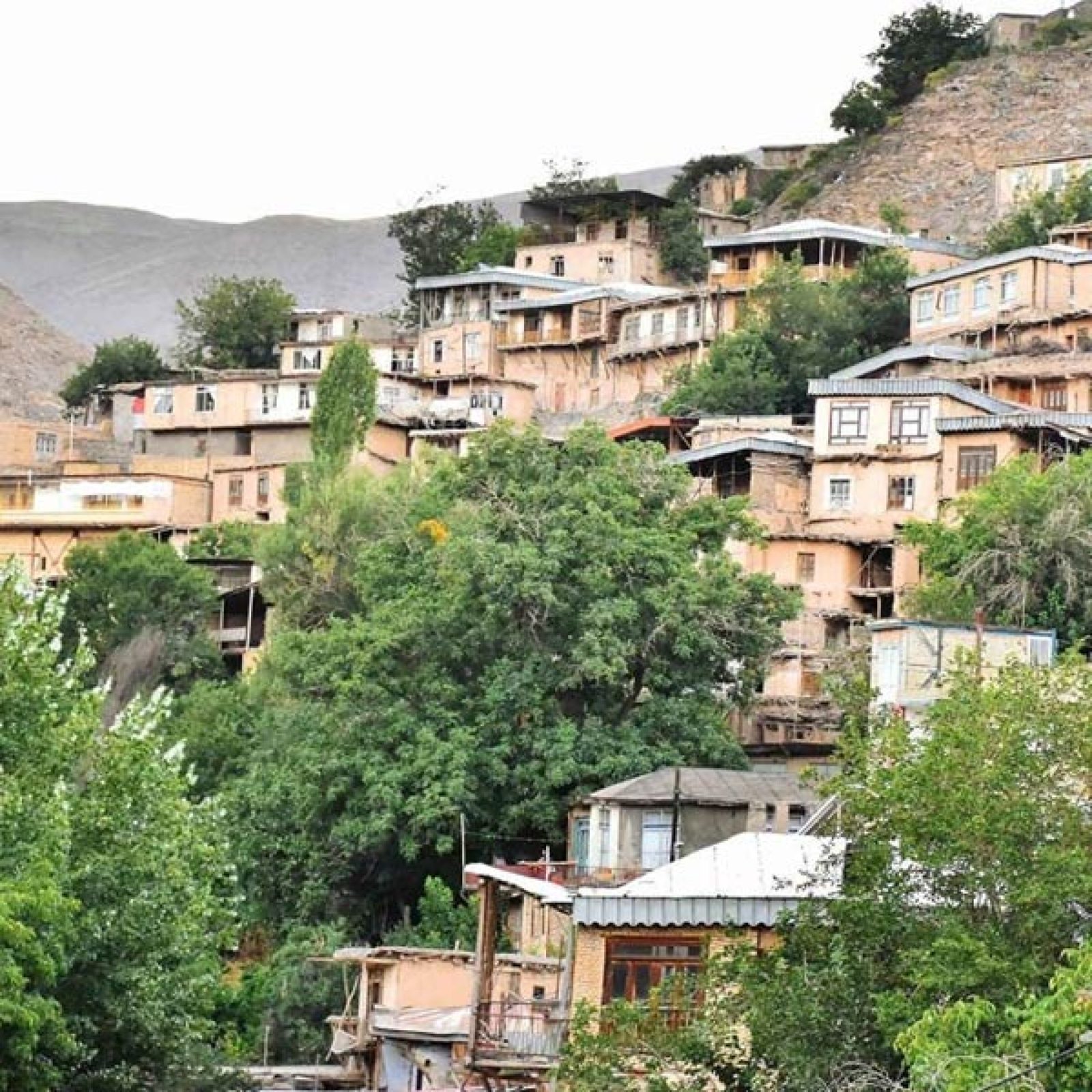
The green does not end at the Caspian. Iran's northeastern mountains hide their own terraced villages, and Kang — an easy escape from Mashhad — is the loveliest, its flat-roofed houses climbing the slope in tiers. Pair it with the shrines and bazaars of the city and you get two utterly different faces of Iran in a single day.
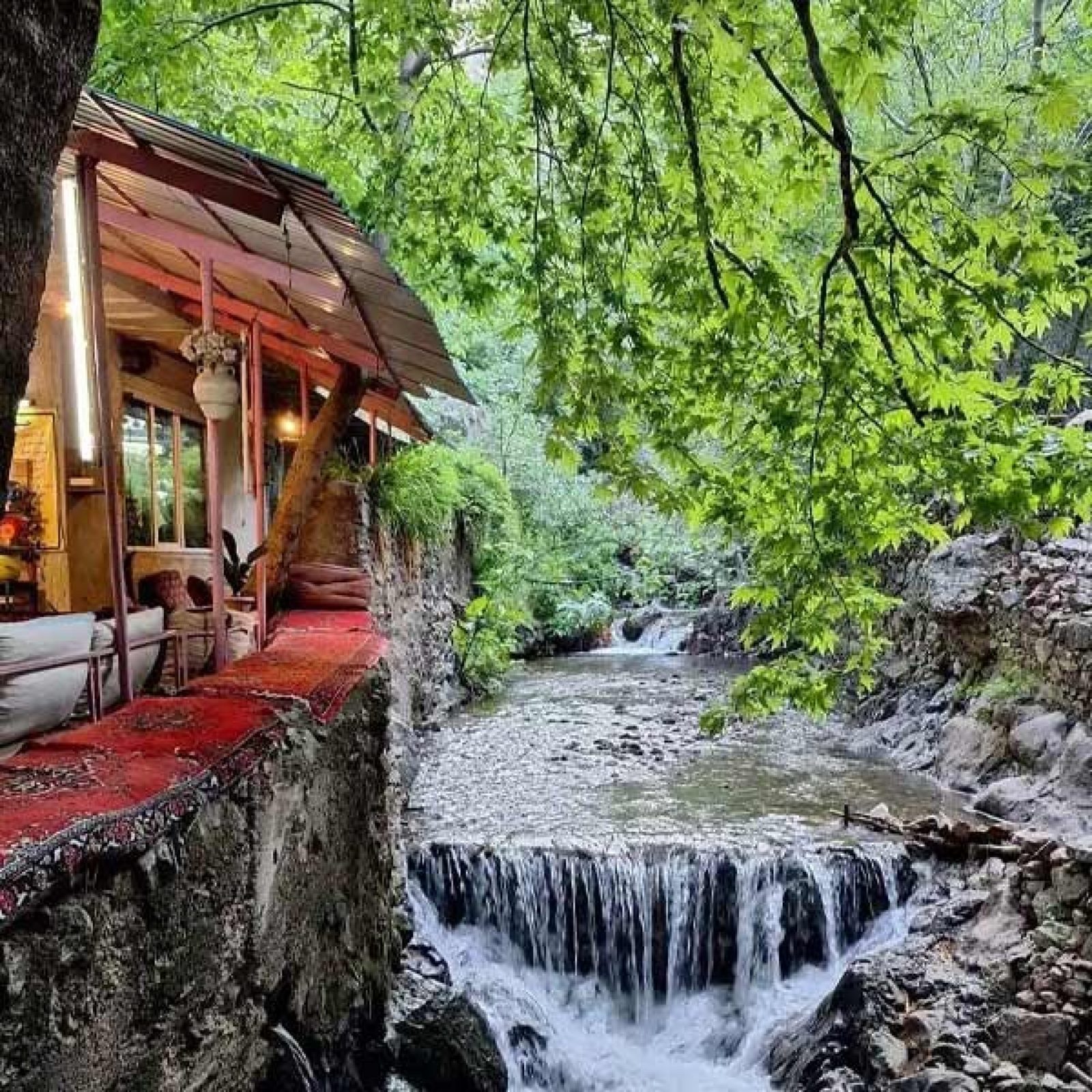
You do not have to leave Tehran to feel it. On summer evenings, locals climb the Darband trail to sit at terraces perched over the rushing stream, tea and grilled kebab in hand, the city lights spreading out below. It is the perfect first taste of the mountains — and a reminder that green, cool Iran is never far away. For more on when to go and what to pack, see our travel FAQ.
The desert cities will always be the headline. But if you have travelled Iran once and want to see it anew — or if you simply crave forest, rain and cool mountain air — the green north is waiting. Tell us your dates and we will build a private itinerary that follows the greenery: plan my trip.
Published by Arian Tour — Iran travel specialists. Seasonal conditions and access (mountain trails, boat trips, opening hours) can change; we confirm everything when planning your trip.
 Plan Your Visit
We'll build a private, tailor-made itinerary through the forests, coast and hill villages of the north.