
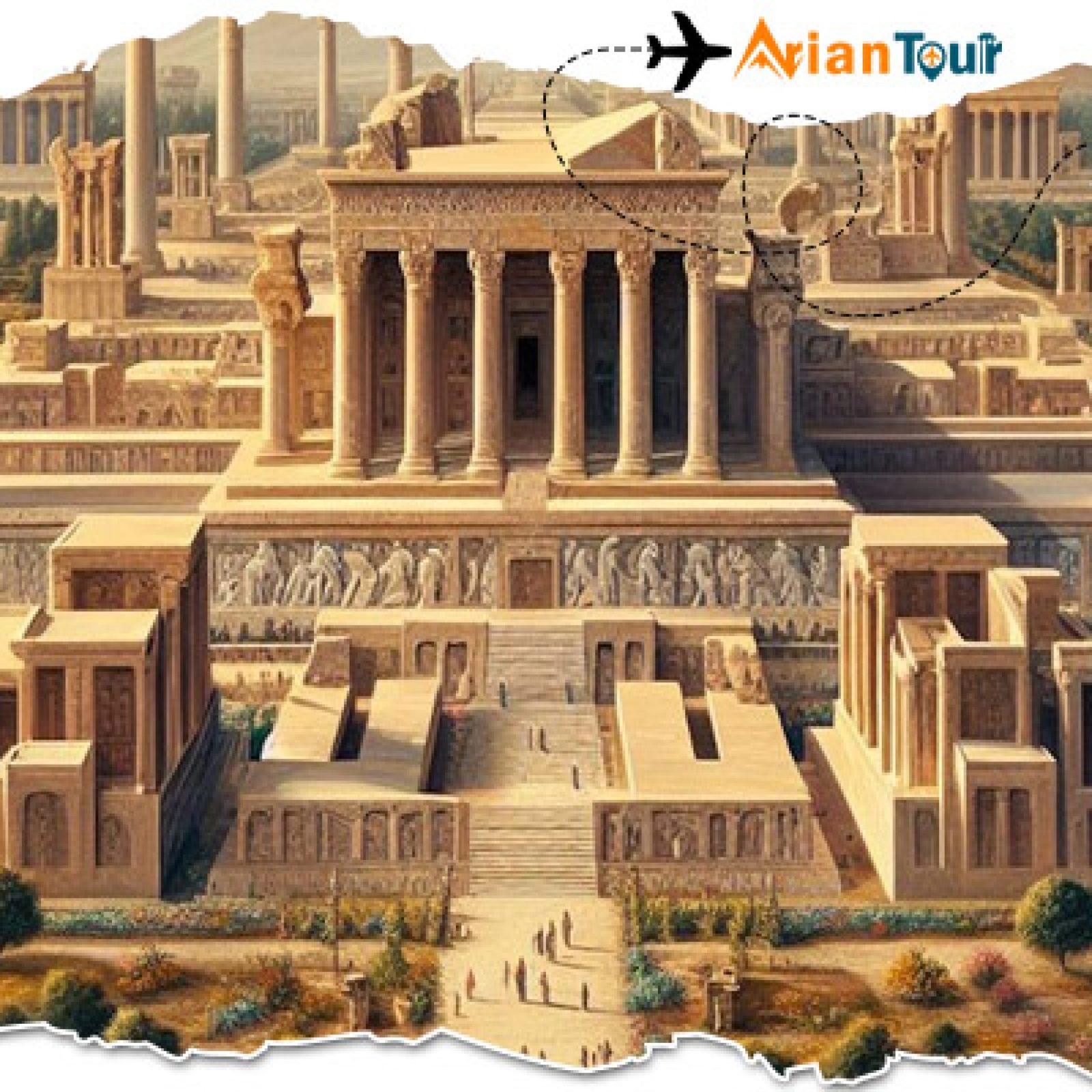
There is an hour, just after sunrise and just before dusk, when Persia turns to honey and amber. This is Iran at its most photogenic.
Every country has its golden hour, but few wear it quite like Iran. The light here is famously clear and warm, and when it falls low across the land it does something remarkable: bare desert stone begins to glow, turquoise tiles deepen to jewel tones, and the fountains of a Safavid square catch fire. Photographers plan whole trips around it; travellers who simply happen to be standing in the right place at the right time never forget it. This is a photo-led wander through the moments and places where Iran shines brightest — and how to be there when the light arrives.
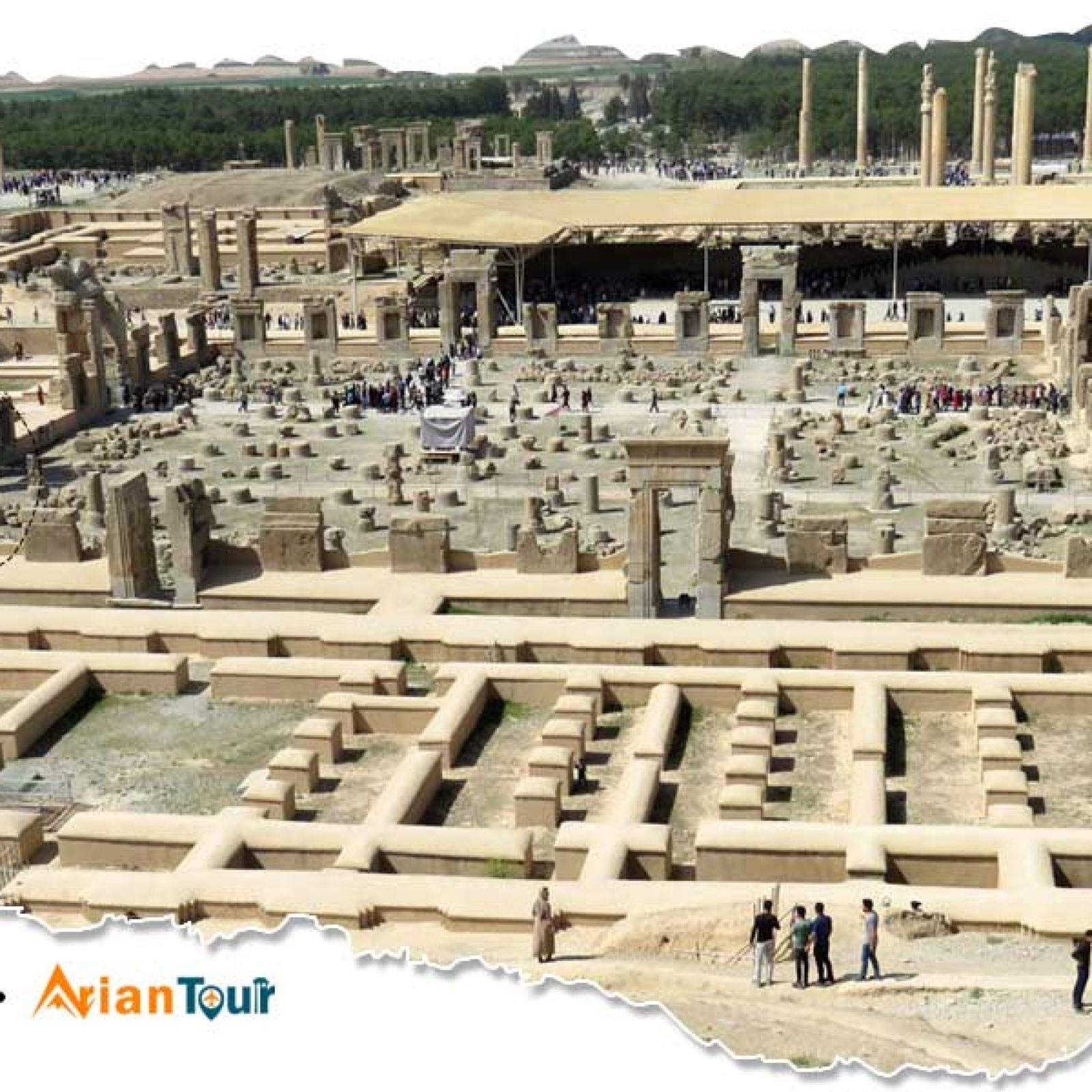
Few places reward an early alarm like Persepolis. As the sun lifts over the plain of Marvdasht, the ancient stone of Darius and Xerxes takes on a golden, amber cast, and the bas-reliefs of tribute-bearers and lions stand out in sharp relief. Come at dawn and you also gain the site almost to yourself, the vast terrace quiet enough to hear your own footsteps. Sunset works its own magic here too, the ruins throwing long dark silhouettes against a blazing sky. Persepolis sits an easy drive from Shiraz, the anchor of most journeys through Iran's south — you'll find it among our Shiraz destinations.
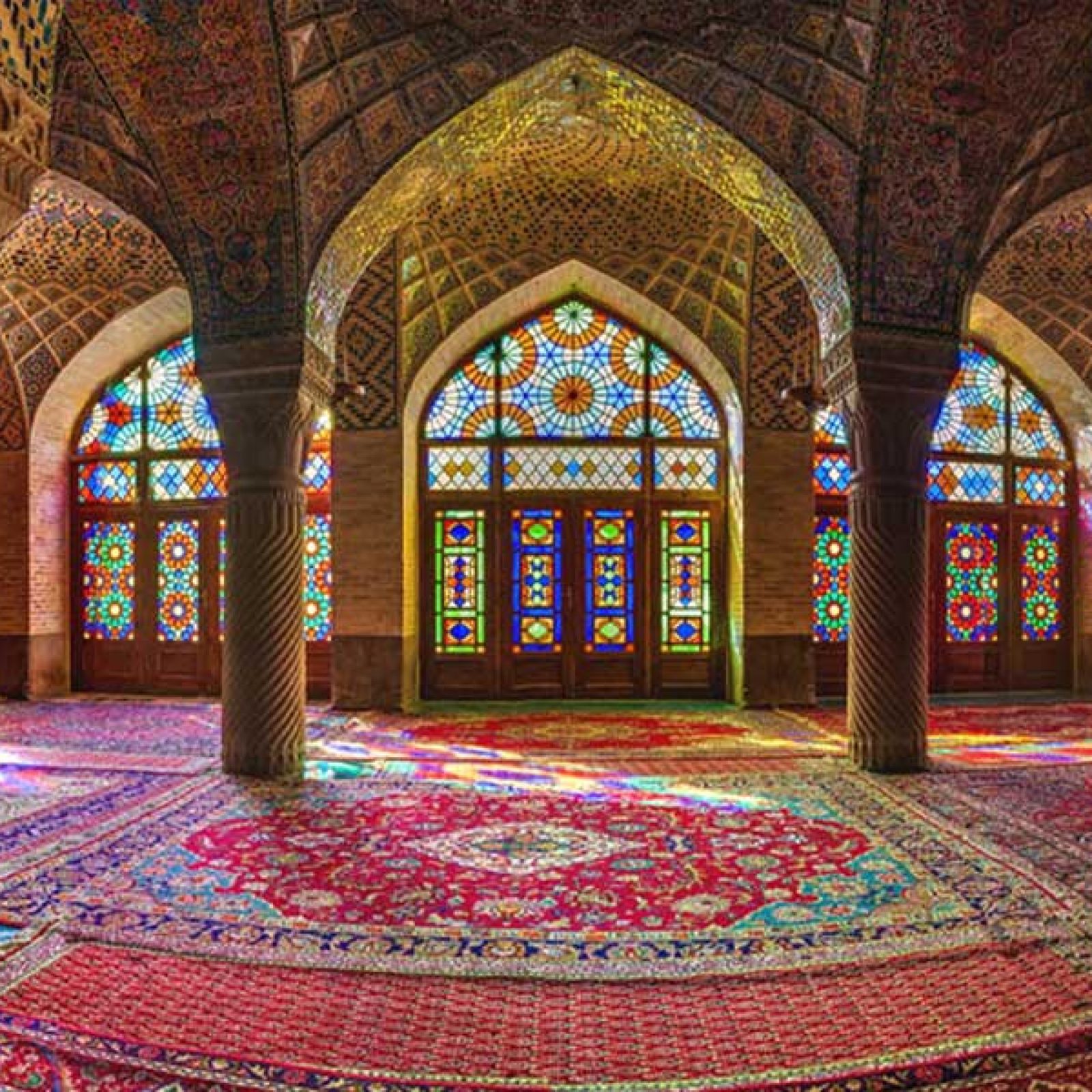
Nasir al-Mulk Mosque, Shiraz's beloved "Pink Mosque," was built to catch the morning sun. Arrive early — generally the hours after opening, before the light climbs too high — and the stained-glass windows throw a shifting kaleidoscope of colour across the Persian carpets and pillars of the winter prayer hall. It is one of the most photographed interiors in the country, and rightly so: for a short while the whole room seems to dissolve into confetti of light. Because the effect depends entirely on the sun's low angle, timing is everything. It's the kind of experience we build our cultural experiences around.
Chase the low sun and Iran stops being a place you photograph and becomes a place that photographs itself.
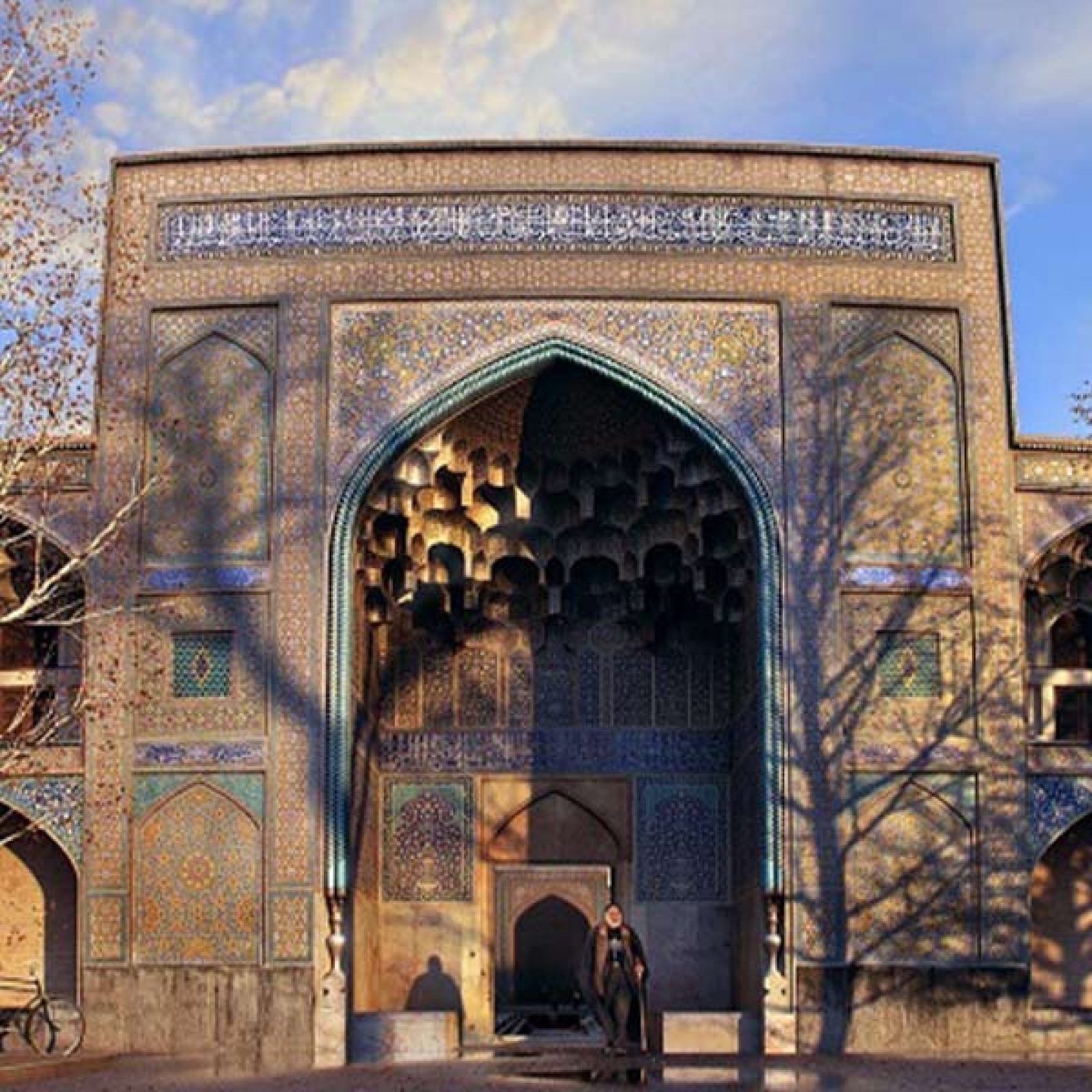
Isfahan has a reputation for the quality of its light — a golden clarity that reflects off tiled domes and washes the great Naqsh-e Jahan Square in warm, hand-painted tones. As the heat of the day fades, families arrive to picnic on the lawns, drink tea and watch the sun slip behind the mosques. It is the loveliest possible time to stand in one of the world's grandest squares. Give yourself a full evening here, camera or not; the city rewards lingering. Isfahan's monuments headline our classic routes through central Iran — see our Isfahan destinations and Classic Persia tour.
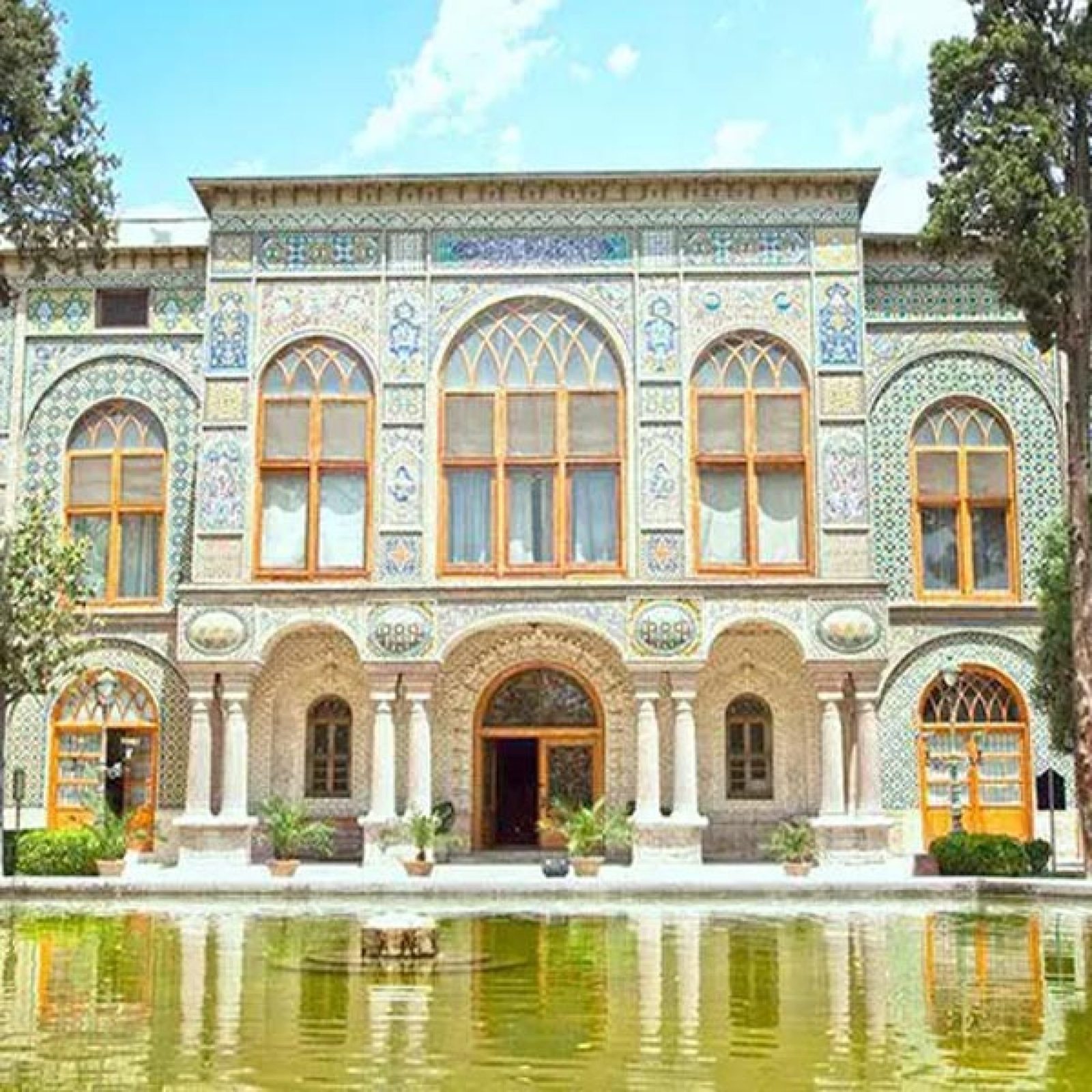
Iran's palaces and gardens are made for the day's end. At Tehran's Golestan Palace, the late sun ignites the mirror-work and painted tilework of the Qajar halls, while in Shiraz the classical Persian gardens — the cypress-lined Delgosha and Eram gardens, and the rose-scented tomb of Hafez — glow softly as dusk settles and locals gather to read poetry aloud. This is the gentle, golden Iran that stays with people long after they go home: unhurried, luminous and quietly grand. For the full sweep of regions to plan around, browse our destinations across the country.
Golden hour rewards a little planning. Build your sightseeing around the soft ends of the day — early mornings and late afternoons — and rest through the harsh midday, a rhythm that also suits Iran's warmer months. Ask your guide about which way each monument faces and when its light peaks; the Pink Mosque is a morning site, Persepolis works dawn or dusk, and squares and gardens are at their best as the sun goes down. For seasonal timing, weather and what to pack, our travel FAQ has the practical detail.
Some trips are about ticking off sights. This one is about light — and Iran has it in abundance. Tell us your dates and we'll build a private, unhurried itinerary that puts you in the right place at the right hour: plan my trip.
Published by Arian Tour — Iran travel specialists. Opening hours and the best light change with the season; we confirm timings when planning your trip.
 Plan Your Visit
We'll build a private, tailor-made itinerary that puts you at Persia's great sights when the light is perfect.