
Deep green, gently tart and simmered for hours — meet the fragrant stew that Iranians call home.
Ask an Iranian to name the one dish that tastes of home, and more often than not the answer is ghormeh sabzi. This deep-green, slow-cooked stew — khoresh-e ghormeh sabzi in full — is so woven into daily life and celebration that many people call it the national dish of Iran. It is comfort food and heritage in a single pot: fragrant with fresh herbs, sour with dried lime, and rich with tender meat and beans.
Few foods carry as much emotional weight in Iran as ghormeh sabzi. Said to reach back centuries, it appears at family lunches and grand celebrations alike, from ordinary weeknights to the feasts of Nowruz, the Persian New Year. For Iranians at home and abroad it is a taste of childhood and identity, the smell that means someone you love has been cooking all afternoon. Travellers quickly discover that sharing a plate of it is one of the warmest ways into Persian hospitality.
The name says it all: sabzi means greens and herbs, while ghormeh is an old term for braised or fried meat. At its heart is a generous mound of fresh herbs — parsley, cilantro and chives or leeks — finely chopped and patiently fried until dark and deeply aromatic. The signature note comes from dried fenugreek leaves, known in Persian as shanbalileh, whose earthy fragrance you can smell across a whole house. Cubes of lamb or beef and red kidney beans are simmered in alongside the greens until everything melts into a thick, savoury whole.
Ghormeh sabzi is an afternoon of slow cooking in a single pot — herbs, dried lime and tender meat folded into one deep, green whole.
What lifts ghormeh sabzi above a simple herb stew is limu Omani, the dried Persian lime. These small, hard, blackened limes — sun-dried whole and originally traded around the Persian Gulf — are pierced or crushed and dropped into the pot, where they release a distinctive sour, faintly bitter tang over hours of gentle cooking. It is a flavour found across Persian cuisine and the wider region, but nowhere is it more essential than here. That balance of fresh green herbs against deep, tangy sourness is exactly what makes the dish so unmistakable.
Ghormeh sabzi rewards patience. The herbs are fried slowly, the meat browned, and the whole stew left to bubble quietly until the flavours marry and the sauce turns glossy and dark. It is almost always served over fluffy Persian rice — and if you are lucky, with a golden crust of tahdig scraped from the bottom of the pot. This is food made to be shared around a spread, or sofreh, with pickles, fresh herbs and flatbread, the kind of unhurried, generous meal that sits at the centre of Iranian family life.
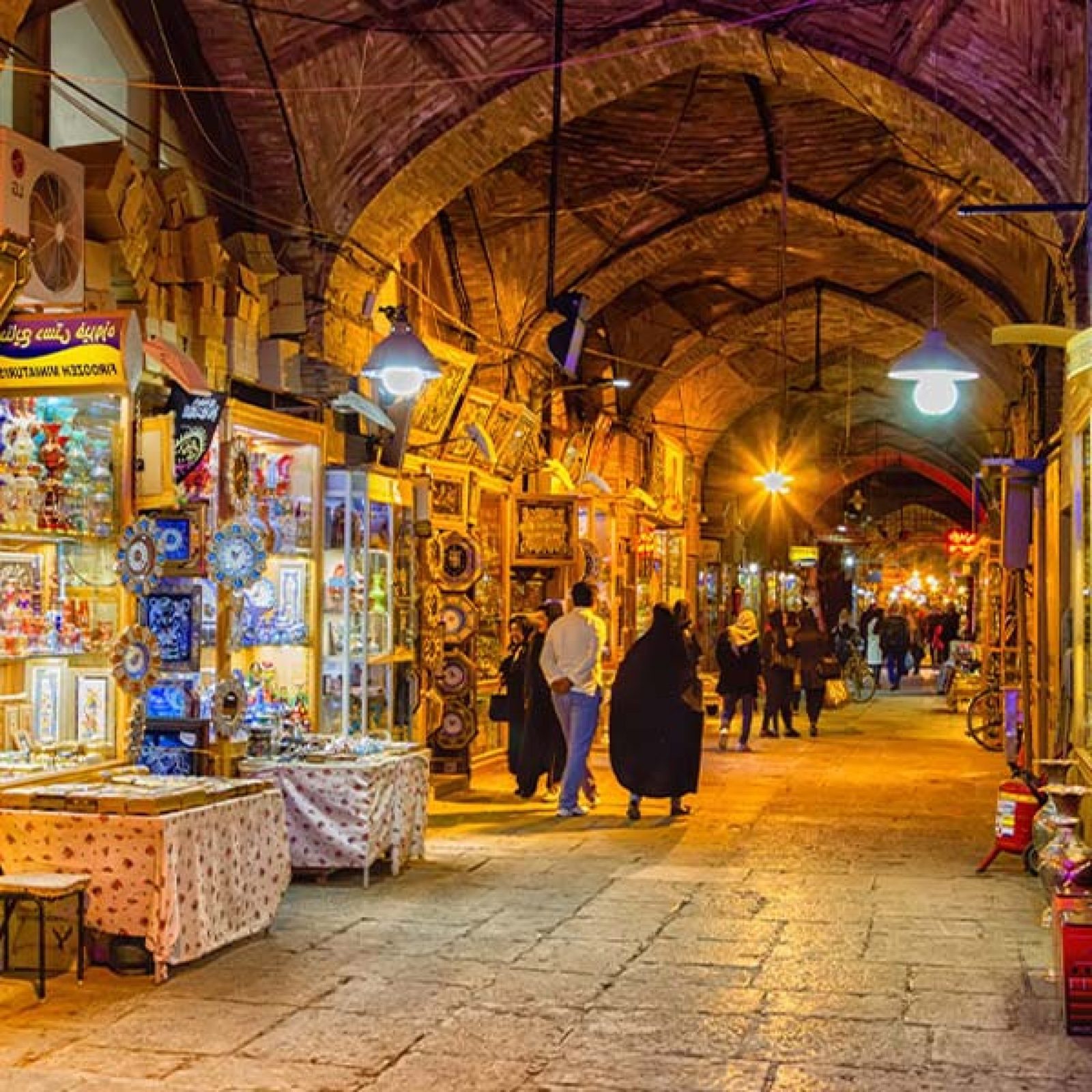
You will find ghormeh sabzi on menus almost everywhere in Iran, from home-style restaurants to the traditional eateries tucked inside the country's great covered bazaars, where cooks buy their herbs fresh each morning from the stalls nearby. The finest versions, though, are usually cooked at home, and a family lunch is worth seeking out. Our food and bazaars tour is built around exactly these moments — market mornings, cooking traditions and long, slow lunches shared with local hosts across Iran's regions, which you can explore among our destinations.
A stew like ghormeh sabzi is a reminder that travelling in Iran is as much about the table as the monuments. If you would like your trip to include a home-cooked Persian meal, a guided market visit or a hands-on cooking session, our specialists can fold it into a tailor-made route — see our travel FAQ for the practical details, or simply tell us your dates and we will plan a journey that feeds the senses as richly as the imagination.
Published by Arian Tour — Iran travel specialists. Regional recipes and ingredients vary from home to home; we love helping travellers find the most authentic local version.
 Plan Your Visit
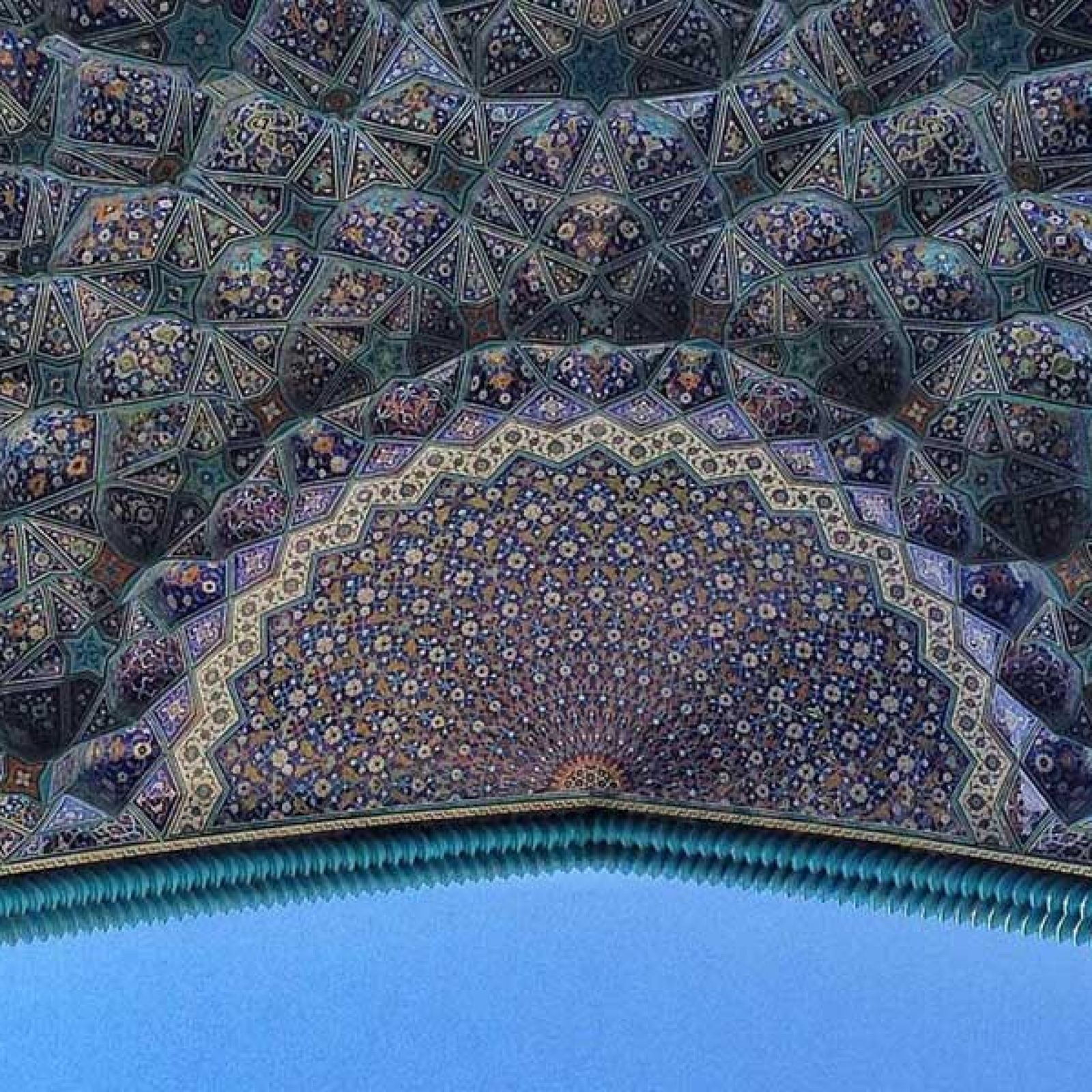
From herb-scented kitchens to the bazaars of Isfahan, we'll build a private, food-led itinerary around you.