
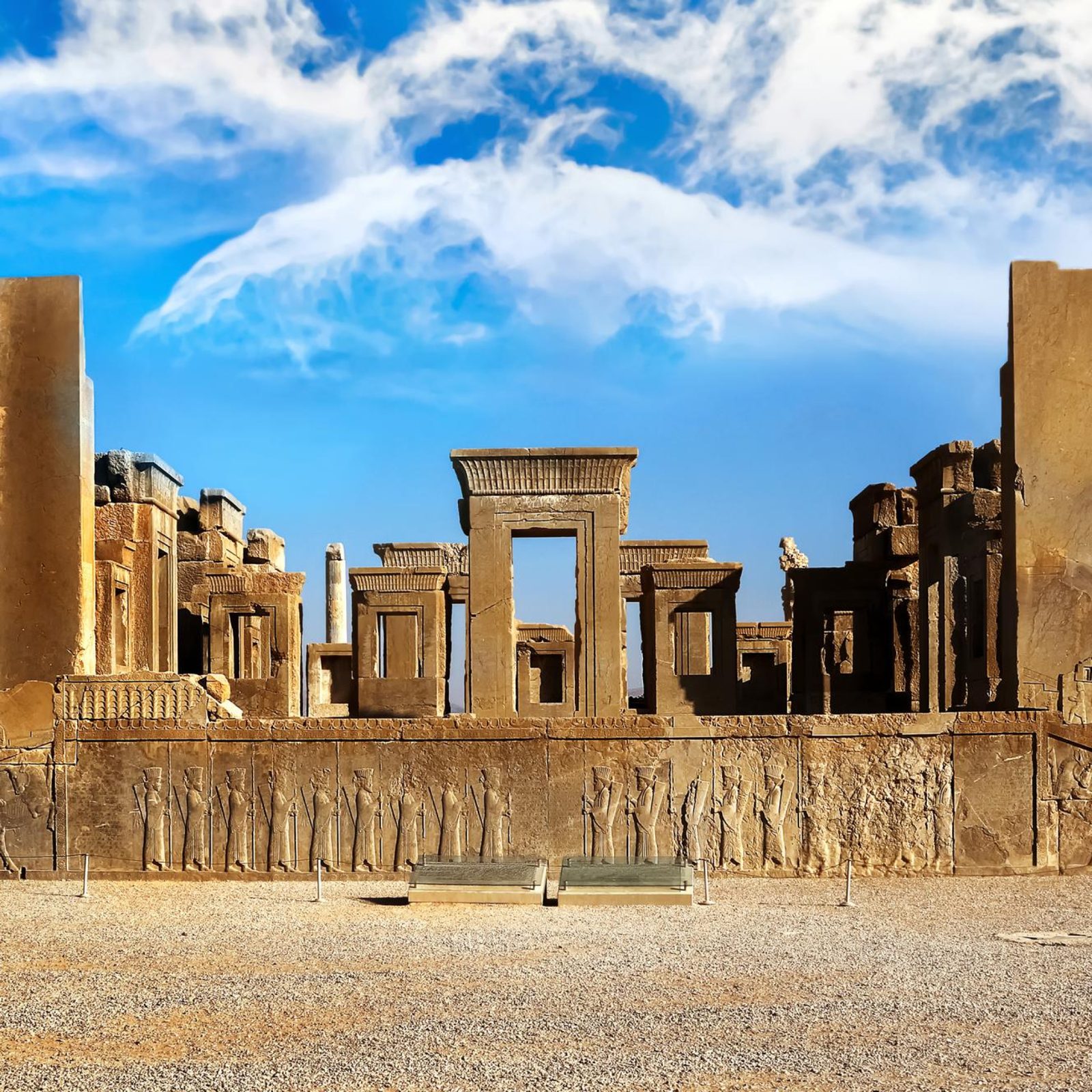
Flights, trains, VIP buses, the metro and Snapp taxis — how to move between Iran's great cities easily and affordably.
Iran is a big country — Tehran to Shiraz is roughly 900 kilometres — but its transport network is extensive, inexpensive and far easier to navigate than many first-time visitors expect. Between fast domestic flights, comfortable overnight trains, modern VIP buses and ride-hailing apps in every city, getting from one Persian wonder to the next is rarely a headache. Here is how each option works and how to book it as a tourist.
For long distances or when time is tight, flying is the most efficient choice. Most provincial capitals and tourist hubs have airports, including Tehran, Shiraz, Isfahan, Mashhad, Tabriz and Bandar Abbas, and flights between the big cities are frequent and cheap by international standards. A flight turns a long overland day into an hour in the air — useful, for example, when linking Tehran with Mashhad in the far east or Shiraz in the south. Book a little ahead in peak season, as popular routes fill up.
Iran's railways are a traveller favourite. Daily trains link Tehran with Mashhad, Isfahan, Yazd, Kerman, Shiraz, Ahvaz and Bandar Abbas, and the overnight services are especially popular: you board in the evening, sleep in a berth and wake in a new city, saving a night's hotel. Most long-distance trains have an onboard restaurant. Seats and sleepers are limited, so reserve in advance — through a station, a travel agency or an Iranian booking platform (which usually needs a local bank card). Plan to check in at the station around an hour before departure.
An overnight train across the desert is one of Iran's quiet pleasures — you travel and sleep at once, and arrive ready to explore.
Buses are the backbone of intercity travel, and Iran's "VIP" coaches are a genuine surprise — wide reclining seats with extra legroom, air conditioning, and snacks on board. Terminals in major cities run frequent departures throughout the day, and reputable operators include Seir-o-Safar, Hamsafar and Royal Safar. On busy corridors such as Tehran–Mashhad and Tehran–Isfahan, buses leave many times daily; you can often buy a ticket within a couple of hours at the terminal, though booking the most popular routes a day or two ahead is wise. Your hotel can usually arrange tickets by phone or online.
Within cities, you are spoilt for choice. Tehran, Mashhad, Isfahan, Shiraz and Tabriz all have metro systems that beat the traffic, with bilingual signage in the larger networks. For door-to-door trips, the ride-hailing apps Snapp and Tap30 work just like Uber: reliable, affordable, and available in English. They need an internet connection and registration with a local phone number, so many visitors pick up an Iranian SIM on arrival. Ordinary street taxis are everywhere too — agree the fare before setting off. City wandering is half the joy, especially when you are hopping between historic bazaars and landmarks.
A few things smooth the journey. International credit and debit cards do not work in Iran, so bring cash to exchange or use a prepaid tourist debit card for apps and tickets. Save your destinations written in Farsi to show drivers, keep a little small change for taxis, and allow buffer time around intercity connections. For the full rundown on visas, money, weather and what to wear, see our travel FAQ.
None of this has to be your problem to solve, though. On an Arian Tour journey — whether a classic Persia route or a tailor-made itinerary — we handle every transfer, flight, train and driver so you can simply enjoy the ride. Tell us your dates and we'll map the smartest way around the country for you: plan my trip.
It depends on distance and time. Domestic flights are quickest for long hops such as Tehran to Shiraz or Mashhad. Overnight trains are comfortable and save a night's accommodation. VIP buses are inexpensive, frequent and surprisingly comfortable for medium distances. Many travellers mix all three over a single trip.
Yes. Snapp and Tap30 work like Uber and are widely used in major cities, with English available. They require an internet connection and registration with a local Iranian phone number, so many visitors buy a local SIM on arrival or ask their hotel to help set them up.
Trains are best booked ahead, as seats and sleeper berths are limited and popular overnight routes sell out. Buses run frequently and can often be bought the same day at the terminal, though busy routes like Tehran to Mashhad are safer reserved early. Online booking usually needs a local bank card, so agencies and hotels can book on your behalf.
It is manageable. Ride-hailing apps work in English, and metro signage in big cities is bilingual. Having destination names written in Farsi to show drivers helps a great deal. On our trips we arrange private transfers and English-speaking drivers so language is never a barrier.
International credit and debit cards do not work in Iran, so bring cash in your home currency to exchange, or use a prepaid tourist debit card. Taxis and many tickets are paid in cash (Iranian rial), while ride-hailing apps accept cash or payment through a local card linked in the app.
Published by Arian Tour — Iran travel specialists. Schedules, fares and booking conditions change; we confirm every detail when planning your trip.
 Plan Your Visit
Private transfers, flights, trains and trusted drivers — we connect Iran's highlights so you travel stress-free.