
Rain, rice, garlic and smoke — on the Caspian coast, Persian cooking turns green, tangy and utterly its own.
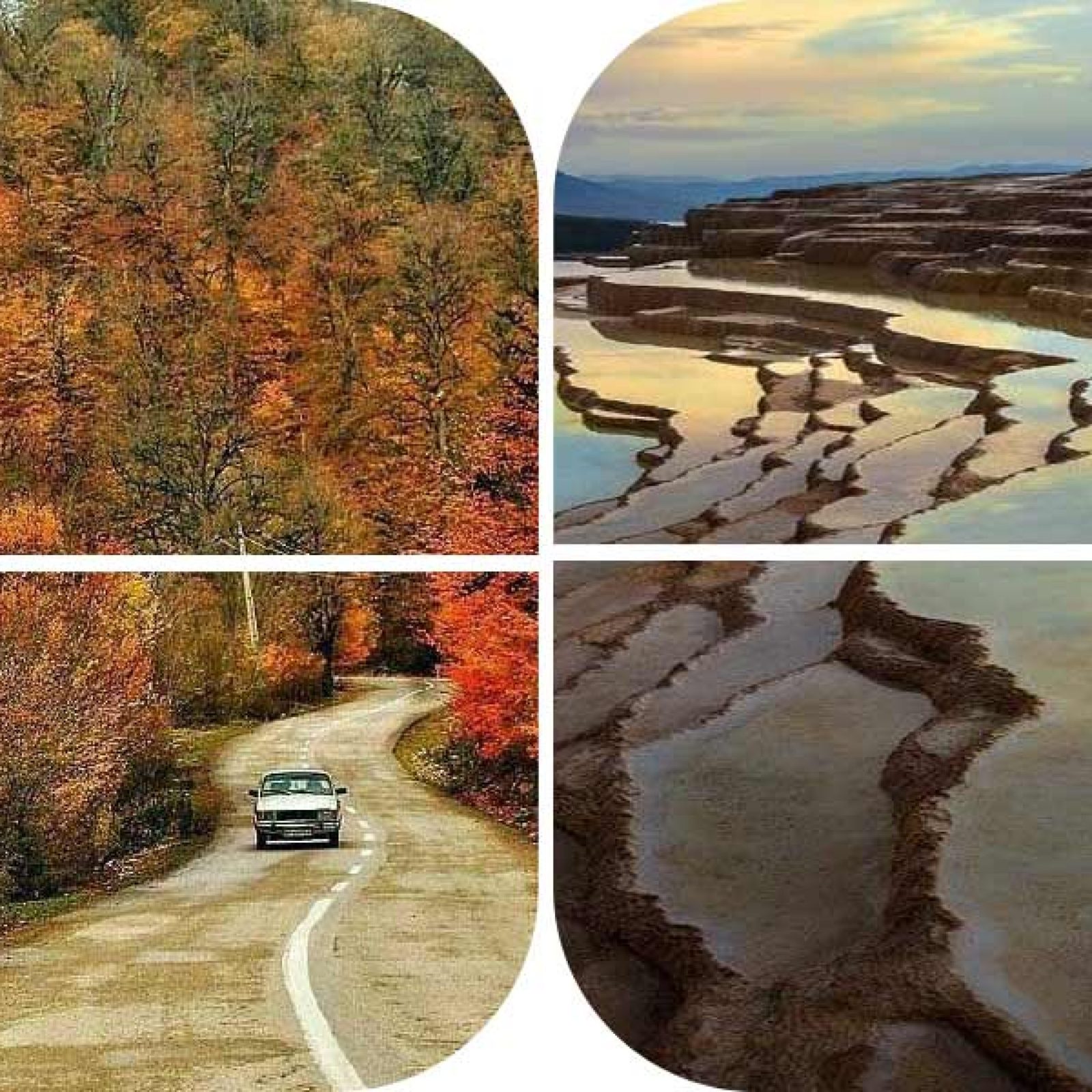
Most travellers meet Persian food through saffron rice and kebab. But drive north from Tehran, over the Alborz Mountains and down through the mist into Gilan province, and the table changes completely. Here on the humid Caspian shore, rain falls generously, rice paddies and tea gardens carpet the lowlands, and the cooking is green, garlicky, gently sour and unlike anything else in Iran. For food lovers, the north — Shomal, as Iranians call it — is a destination in its own right, and one of the most rewarding of our northern destinations.
Gilan's kitchen begins with its climate. While much of Iran is arid, the Caspian strip is one of the country's wettest corners, and that abundance shows up on the plate. Rice is not a side dish here but the heart of the meal — often cooked as kateh, a soft, comforting style that Gilanis happily eat even at breakfast. Fresh herbs arrive in heaps, garlic is used with joyful abandon, and sour notes from pomegranate, bitter orange and pickled greens brighten almost everything. Village houses with steep wooden roofs, like those clinging to the hillside at Masuleh, still smoke fish and dry herbs the way their grandparents did.
If Gilan has a signature dish, it is mirza ghasemi: eggplant grilled over flame until deeply smoky, then mashed with tomato, plenty of garlic and softly scrambled egg. Served with bread or rice, it is simple, inexpensive and unforgettable — many visitors name it their favourite meal in Iran. Alongside it you'll meet baghali ghatogh, a buttery stew of fava beans, dill and turmeric crowned with a poached egg, and torshi tareh, a tangy herb stew that tastes like the province's rainy hills. Even the famous fesenjan — chicken simmered in walnuts and pomegranate — is claimed by the north, where walnut groves and pomegranate orchards meet.
Gilan cooks with what the rain gives it: rice, herbs, walnuts, garlic and fish from the Caspian Sea.
The best place to taste it all is Rasht, Gilan's lively capital, recognised by UNESCO as a Creative City of Gastronomy for its remarkable culinary heritage — local cooks count well over a hundred distinct recipes. Wander the central bazaar in the morning and you'll see the raw ingredients of the region piled high: Caspian whitefish, mountains of fresh herbs, home-pressed olives from Rudbar marinated in walnut and pomegranate paste (zeytoon parvardeh), and sweet local specialities to finish. It's the kind of market browsing we build into our bazaar experiences across Iran.
Gilan pairs beautifully with a classic Iran itinerary: two or three days on the Caspian coast add green landscapes and a completely different cuisine to the mosques and gardens of the central cities. Food-focused travellers can go deeper with our Food & Bazaars tour, join a home-style cooking experience, or fold the north into a wider Nature & Caspian journey. Practical questions about visas, money or dietary needs? Our travel FAQ covers the essentials.
The smoke of mirza ghasemi, the comfort of kateh rice, tea from Lahijan's hillsides — northern Iran feeds you in a way you won't forget. Tell us what you love to eat and we'll shape a private culinary route around it: plan my trip.
Published by Arian Tour — Iran travel specialists. Regional dishes and market days vary by season; we confirm every detail when planning your trip.
 Plan Your Visit
From Rasht's bazaar to a Caspian cooking class — we'll build a private, food-first itinerary just for you.