
Chewy rice noodles set in fragrant, half-frozen ice and woken up with a squeeze of lime — meet one of the oldest frozen desserts on earth.
Step out of the summer heat and into a faloodeh shop in Shiraz, and the first thing you notice is the sound: the scrape of a metal scoop against a chilled tub, then the snap of half a lime being squeezed over the top. Faloodeh (also spelled paloodeh) is Iran's most quietly astonishing dessert — a pale, translucent tangle of fine noodles suspended in rose-scented ice, somewhere between a granita and a sorbet, and utterly unlike anything else on the Persian table. For many travellers it is the taste that lingers longest after a trip through the south.
Faloodeh has claims to being one of the earliest frozen desserts ever made, with roots reaching back over two thousand years into ancient Persia. Long before electric freezers, Iranians stored winter ice through the scorching summer in yakhchals — great domed mud-brick ice houses, some of which still stand in the desert cities you can visit among our central destinations. That ingenious cold chain is what made a chilled dessert possible in one of the hottest corners of the ancient world, and faloodeh is its delicious survivor. Today the version most prized across Iran carries the name of the city that perfected it: faloodeh Shirazi.
The magic is in the contrast of textures. Thin noodles of rice or corn starch are boiled briefly, rinsed cold, then frozen into a light syrup flavoured with sugar and, above all, rose water — the same distilled essence that perfumes so much of Persian sweet-making. The result is a slushy, semi-frozen ice studded with slippery, faintly chewy strands. It is served in a small bowl or glass, and this is where the ritual comes in: a generous squeeze of fresh lime juice to cut the sweetness, and sometimes a drizzle of sour-cherry syrup, a scatter of chopped pistachios, or a scoop of saffron ice cream alongside. Sweet, floral and sharp all at once, it is astonishingly refreshing.
Half-frozen, faintly floral, threaded with noodles and woken by lime — faloodeh tastes like nothing else you have eaten.
Ask an Iranian where to eat faloodeh and the answer is almost always Shiraz, the old capital of gardens, poets and Shiraz wine's namesake grapes. Here it is treated less as a snack than as a small institution. Locals have their favourite shops, argue over which makes the finest noodles, and insist on plenty of tart lime to balance the rose. On warm evenings, families carry cups of it out into the city's famous gardens and courtyards — a scene you can fold into an evening of Persian food experiences. It pairs beautifully with the slow, poetry-scented rhythm of a Shiraz summer night.
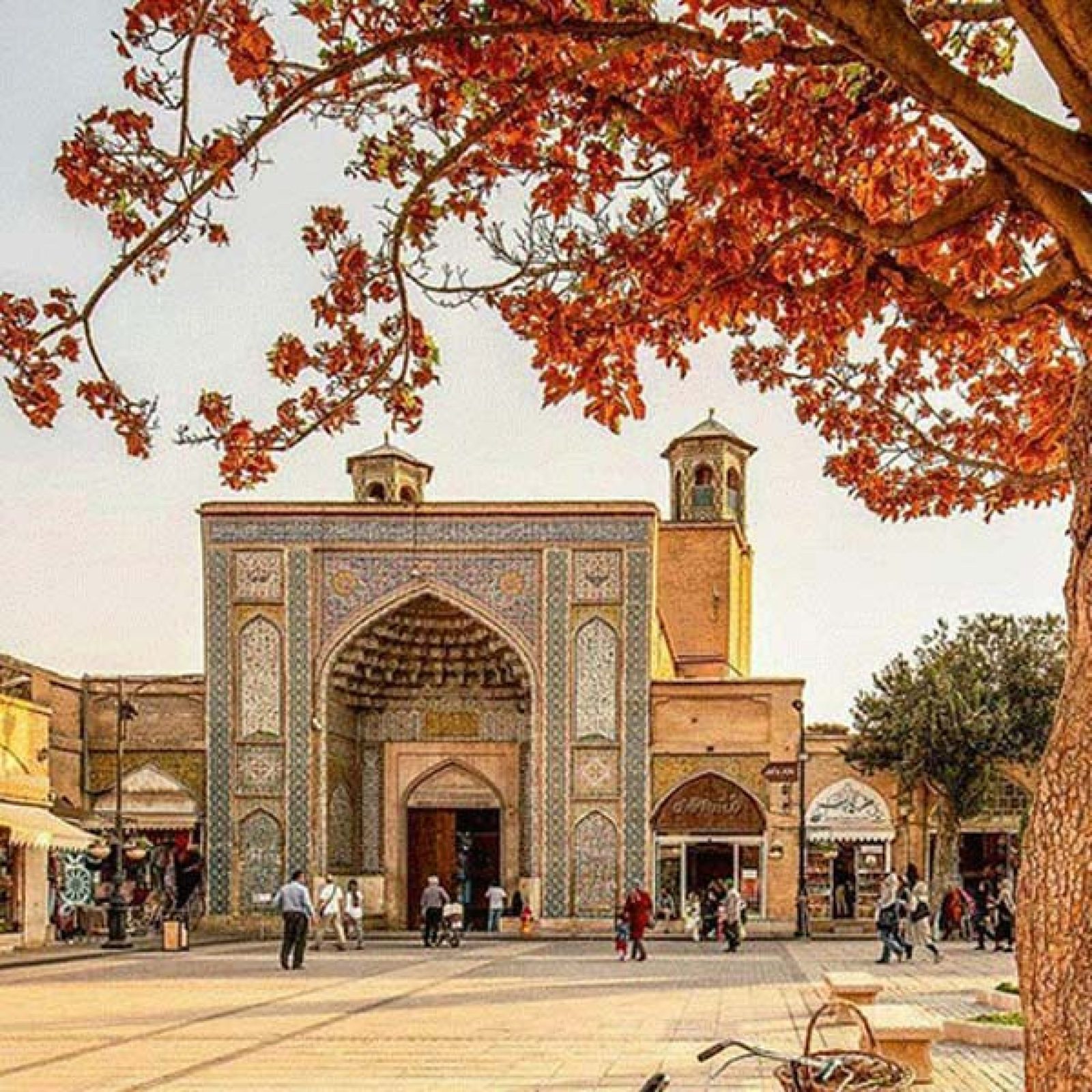
Faloodeh is at its best in the hot months, roughly May through September, when every bazaar lane and street corner seems to have a shop turning it out. The historic Vakil Bazaar in Shiraz is a classic place to seek it, but you will find good faloodeh in Yazd, Kerman, Isfahan and beyond — each city with its own loyal following. It is inexpensive, made fresh daily, and vegan by nature, which makes it an easy, joyful thing to try wherever your route takes you. If you are wondering about food safety, dietary needs or the best seasons to travel, our travel FAQ covers the practical side.
Some flavours only make sense in place — eaten in the heat they were invented for, from a shop that has been making them for generations. Faloodeh is one of those. We can build a Shiraz stop into a wider Food & Bazaars journey through Iran, complete with the markets, kitchens and dessert counters that tell the country's story better than any monument. Tell us your dates and your appetite, and we'll plan a private, unhurried trip around them: plan my trip.
Published by Arian Tour — Iran travel specialists. Dishes, ingredients and seasonal availability vary by region and shop; we confirm current details when planning your trip.
 Plan Your Visit
From faloodeh in Shiraz to saffron kitchens and spice bazaars, we'll build a private, tailor-made culinary journey around you.