
Iran's hospitality is legendary — and a handful of small courtesies is all it takes to meet it gracefully. Here's what taarof, greetings, shoes and tipping really mean.
Travellers come back from Iran talking less about the monuments than about the people — the stranger who insisted on paying for their tea, the family who invited them home after a five-minute chat, the shopkeeper who pressed a gift into their hands. Iranian hospitality is genuinely one of the warmest in the world, and it comes wrapped in a gentle code of manners that rewards anyone willing to learn a few basics. None of it is complicated, and no one expects a visitor to get everything right. Understand a handful of customs, though, and you'll move through the country with ease — and delight your hosts in the process.
The single most Iranian custom you'll meet is taarof — an elaborate, affectionate dance of offering and refusing that oils almost every social exchange. A taxi driver may wave away your fare with "it's not worth it"; a shopkeeper may say your purchase is a gift; a host will keep refilling your plate long after you're full. Much of this is ritual courtesy rather than a literal statement, and the polite response is to decline gently at first. If the offer is repeated warmly and more than once, it's sincere and you may accept. When someone refuses your payment through taarof, insist kindly two or three times — they almost always expect to be paid in the end. It feels like a puzzle at first, but taarof is simply Iranians showing that the relationship matters more than the transaction.
Iranians greet warmly, usually with salaam ("hello") and, between friends of the same gender, two or three kisses on the cheek. Between men and women who aren't related, though, physical contact in public is traditionally avoided, so a handshake isn't automatic. The graceful move is to wait: let the other person extend their hand first, and if they don't, place your own hand lightly over your heart with a smile and a slight nod. It's a lovely gesture, universally understood as respect, and it never misfires. Iranians are well aware that visitors come from different customs and will happily meet you halfway.
An invitation home is the highest compliment an Iranian can pay you, and it happens more often than you'd expect. Take off your shoes at the door unless your host insists otherwise, and bring a small gift — flowers, pastries or good-quality sweets are always right. Once inside, expect to be fed generously and then some; refusing the first offer of food is normal taarof, so a genuine "yes, thank you" after a round or two is the way to accept. Compliment the home warmly but don't lavish praise on a specific object, or your host may feel bound by taarof to give it to you. If your travels give you the chance to share a meal with an Iranian family, take it — it's the kind of encounter our food and hospitality experiences are built around.
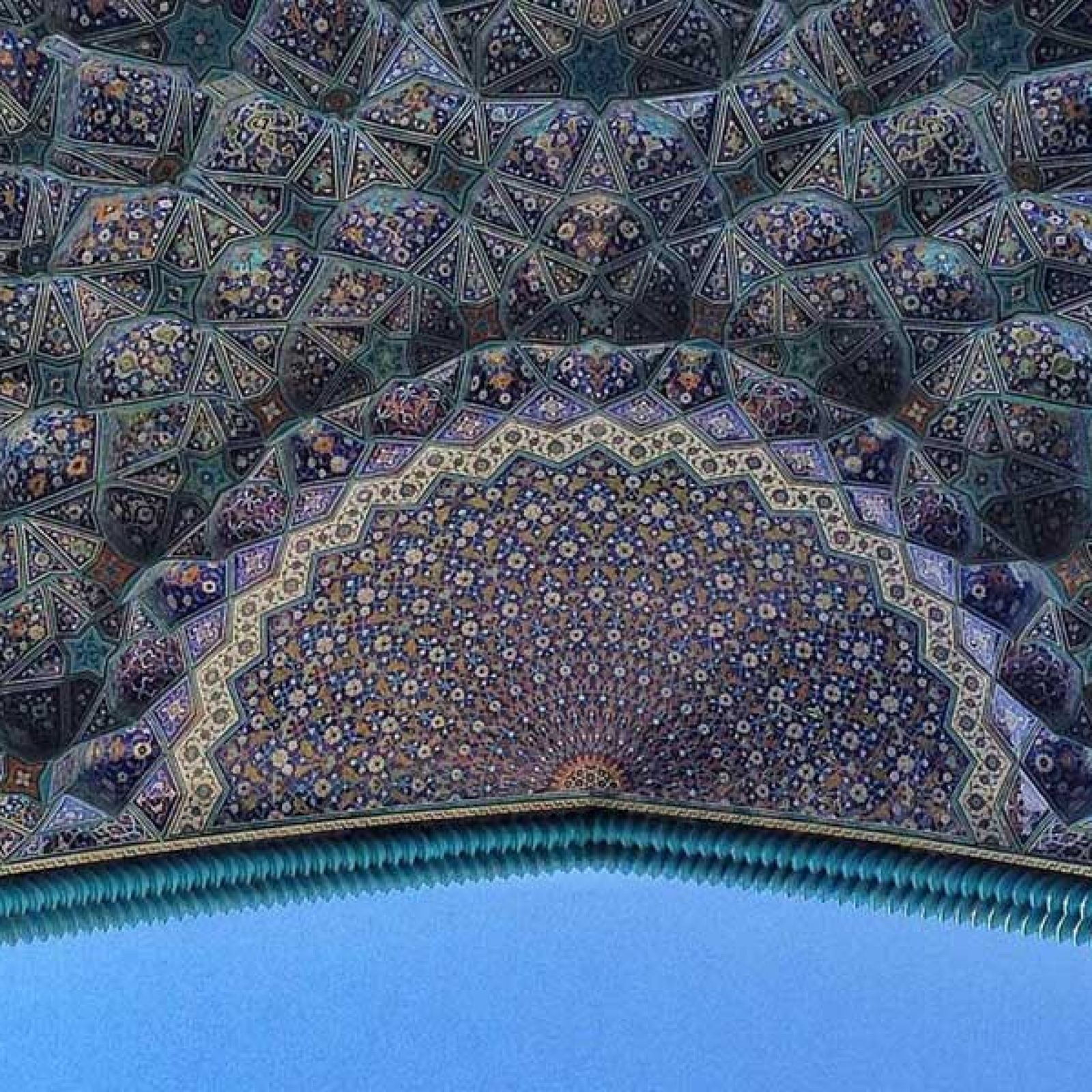
Iran is endlessly photogenic, from the tiled domes of Isfahan to the faces in a busy bazaar, but people come before pictures. Always ask before photographing someone — especially women — and accept a polite refusal gracefully; more often than not you'll get a warm yes and a conversation to go with it. Keep your camera away from military sites, government buildings, airports and border areas, where photography can cause real trouble. A little courtesy with the lens goes a long way, and the portraits you're given permission to take are always the best ones.
Decline the first offer, wait for the hand, leave your shoes at the door — three small habits that carry you through almost any Iranian encounter.
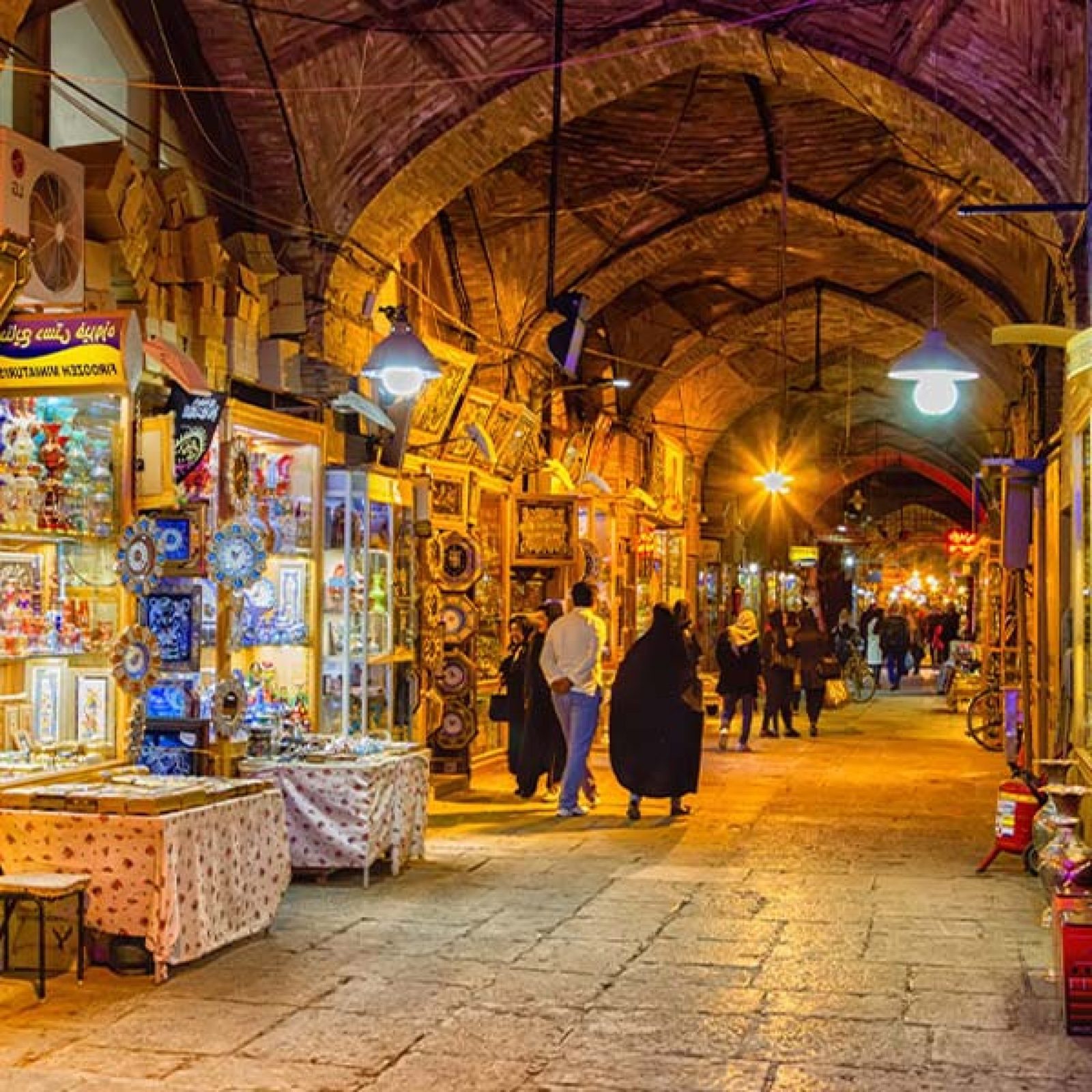
Tipping in Iran is modest and appreciated rather than expected. In restaurants, rounding up or leaving roughly five to ten percent is generous; a small note for a helpful guide, driver or hotel worker is welcome and best offered discreetly. Haggling has its place — it's part of the pleasure of buying carpets, textiles and handicrafts in the bazaars, where a little good-humoured bargaining is expected. But in shops and restaurants with marked prices, prices are fixed and haggling would seem out of place. When in doubt, a friendly, unhurried manner serves you better than driving a hard bargain.
A few small things smooth daily life. Dress modestly everywhere, as covered in our travel FAQ, and accept tea whenever it's offered — sharing a glass is the universal gesture of welcome. Iranians are curious, well-read and love to talk, so questions about your home and family are friendly interest, not intrusion. Steer clear of pressing on politics or religion unless your host opens the door first, and use your right hand for giving and receiving. Above all, relax: warmth and good intentions cover any small missteps, and Iranians are famously forgiving of a guest who is clearly trying. Travelling with a local guide on one of our cultural tours also means someone is always on hand to read the room for you.
Etiquette in Iran isn't a test to pass — it's an invitation into one of the world's most generous cultures. Learn a little taarof, greet with a hand over your heart, and let yourself be looked after, and you'll understand why so many travellers say the people were the best part of the journey. When you're ready to experience that hospitality first-hand, our local team would love to help you plan your trip.
Taarof is a Persian system of polite ritual in which people offer, insist and decline out of courtesy. A shopkeeper may wave away payment or a host may press more food on you several times. As a rule, decline a first offer gently and only accept once it is repeated and clearly sincere.
Tipping is appreciated but modest and not obligatory. In restaurants a small tip of roughly five to ten percent is generous, and rounding up a taxi fare or handing a small note to a helpful guide or hotel staff member is welcome. Offer tips discreetly rather than with a flourish.
Yes. Iranians remove their shoes before entering a home, and you should leave yours by the door unless your host clearly invites you to keep them on. The same applies before stepping onto the carpets inside a mosque.
Always ask before photographing someone, especially women, and respect a polite no. Most Iranians are happy to be photographed once you ask. Avoid photographing military sites, government buildings, airports and checkpoints entirely.
Not usually in public between people who are not related. Many Iranians greet the opposite gender with a smile and a hand placed over the heart instead. Let the other person offer their hand first, and if they don't, a warm nod is the perfect response.
Published by Arian Tour — Iran travel specialists. Customs vary between families and regions; our guides help you read each situation as it comes.
 Plan Your Visit
We'll build a private, guided itinerary that opens doors — to homes, teahouses and the people who make Persia unforgettable.