
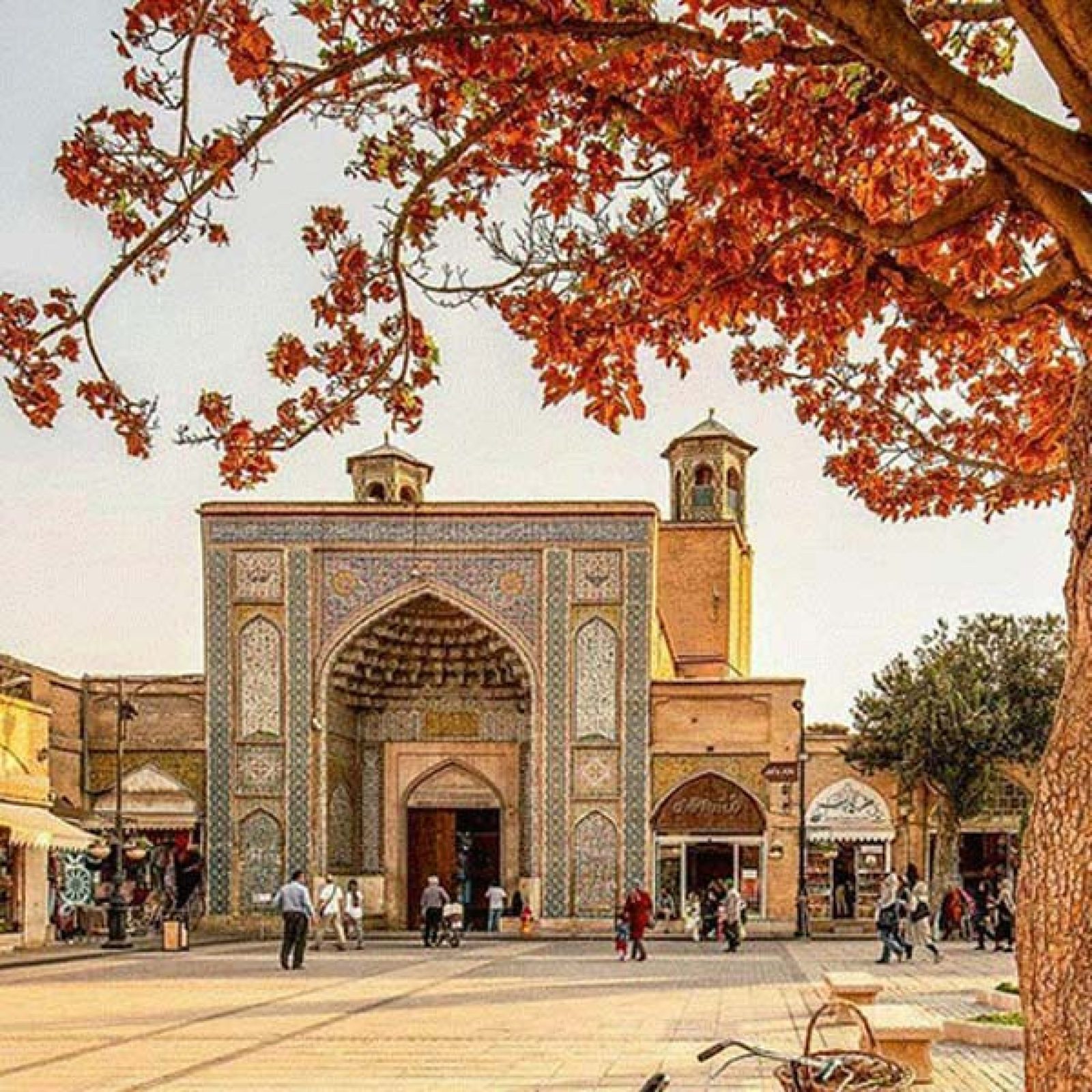
Hijab, modest dress and mosque etiquette sound daunting — but the rules are simpler and far more relaxed than most visitors expect.
Of all the questions travellers ask before a trip to Iran, dress code is among the most common — and the most over-worried. The reality is reassuringly practical: modest clothing, a headscarf for women, and a little care around religious sites. Iranians are famously warm to visitors, and the rules are applied to tourists with a light, forgiving touch. Here is exactly what to wear, what to leave at home, and how to pack for Iran's very different seasons.
In public, both men and women are expected to dress modestly, which mainly means covering the arms and legs and avoiding tight or revealing cuts. For women there is one extra rule: the hair should be covered with a headscarf. That is really the heart of it. You do not need special "Islamic" clothing or anything you would not wear at home — loose, comfortable, everyday clothes that keep you covered are all it takes. Colour is not restricted at all, so bright and patterned pieces are perfectly welcome.
Women should carry a headscarf and wear it in public, ideally from the moment they step off the plane. In practice it can be worn loosely — many Iranian women drape it far back on the head with the front of their hair showing, and adjust it constantly through the day. Over the top, a long tunic, blouse or the classic Iranian manteau (a light overcoat that falls past the hips) works beautifully over trousers, jeans or a long skirt. Aim to cover the arms to at least the elbow, the legs to the ankle, and skip anything sheer or figure-hugging. Makeup, jewellery and open footwear are all completely fine, and you'll find the local bazaars a wonderful place to pick up a scarf or two.
Coverage and cut matter far more than colour — a loose, bright manteau and a light scarf will carry you comfortably through the whole country.
Men have it easy by comparison. Long trousers or jeans are expected everywhere — shorts are the one thing to leave at home — and short-sleeved shirts are perfectly acceptable, while sleeveless tops are best avoided in public. There is no rule on footwear, so pack whatever is comfortable for long days of walking around palaces, gardens and monuments. That's essentially the entire men's dress code.
Religious sites are the one place the dress code tightens, and only for women. At major mosques and holy shrines — such as the great shrine complex in Mashhad — women are usually asked to wear a chador, a large cloth that drapes over the whole body. The good news is you almost never need to bring one: the sites lend colourful, patterned chadors at the entrance, and your guide will help you put it on. Men should simply keep to long trousers and covered shoulders. Approached this way, Iran's most sacred and beautiful buildings are wonderfully easy to visit respectfully — something we build into every one of our Classic Persia journeys.
Iran is a big country with big seasonal swings, so packing depends on when you travel. In summer (roughly June to September) much of the interior is very hot, often above 40°C, so choose light cotton and linen in loose, breathable cuts, a thin headscarf for women, and proper sun protection — a hat, sunglasses and sunscreen. In winter, cities such as Tehran, Isfahan and Tabriz turn genuinely cold, so bring warm layers, a coat and a scarf that doubles for warmth. Spring and autumn are the sweet spot, needing little more than light layers. Whatever the season, the mountains and the Caspian coast can be cool, so a light jacket earns its place in every bag. A refillable water bottle and good walking shoes round out the essentials, and our full travel FAQ covers weather, money and more.
Beyond clothing, a couple of gentle customs are worth knowing. It's polite to dress a little more conservatively in smaller towns and rural areas than in cosmopolitan north Tehran. Handshakes between men and women are not always expected, so let your host lead. And handmade textiles — from block-printed cottons to fine Persian crafts — make both lovely souvenirs and genuinely useful additions to a modest travel wardrobe. None of this is complicated, and a good guide smooths every step.
Dressing for Iran is far less of a puzzle than it first appears — pack modest, comfortable layers, keep a scarf within reach, and you're set. Tell us your travel dates and interests and we'll build a private, season-smart itinerary, with all the practical details handled for you: plan my trip.
Yes. In public, women are required to cover their hair with a headscarf and wear modest clothing that covers the arms and legs. In practice the scarf can be worn loosely, and many Iranian women wear it far back on the head with hair partly visible. Authorities are generally relaxed with tourists, offering friendly guidance rather than penalties, but it is respectful to keep a scarf handy at all times, including from the moment you arrive at the airport.
The dress code for men is much lighter than for women, but modesty still applies. Long trousers or jeans are expected at all times, and short-sleeved shirts are fine. Shorts and sleeveless tops are best avoided in public. There are no special footwear rules, so comfortable shoes or sandals are all acceptable.
At major mosques and holy shrines, women are usually asked to wear a chador — a large cloth that drapes over the whole body. You rarely need to bring your own; the sites lend colourful patterned chadors at the entrance, and a guide can help you put one on. Everywhere else in the country a headscarf and modest clothing are enough.
Yes. Jeans are widely worn by locals and tourists alike, and there is no restriction on colour — bright and patterned clothes are perfectly fine as long as they are loose enough and cover the arms and legs. The key is fit and coverage rather than colour: avoid tight, sheer or very short items.
In summer, when much of the country is very hot, choose light cotton or linen in loose cuts, a thin headscarf, and sun protection such as a hat, sunglasses and sunscreen. In winter, cities like Tehran, Isfahan and Tabriz can be cold, so pack warm layers, a coat, and a scarf that doubles for warmth. Mountain and Caspian regions can be cool even in summer, so a light jacket is always worth carrying.
Published by Arian Tour — Iran travel specialists. Dress norms and their enforcement can change and vary by region and season; we share the latest guidance and practical tips when planning your trip.
 Plan Your Visit
From what to pack to where to go, we craft private, culturally-smart itineraries so you can simply enjoy Persia.