
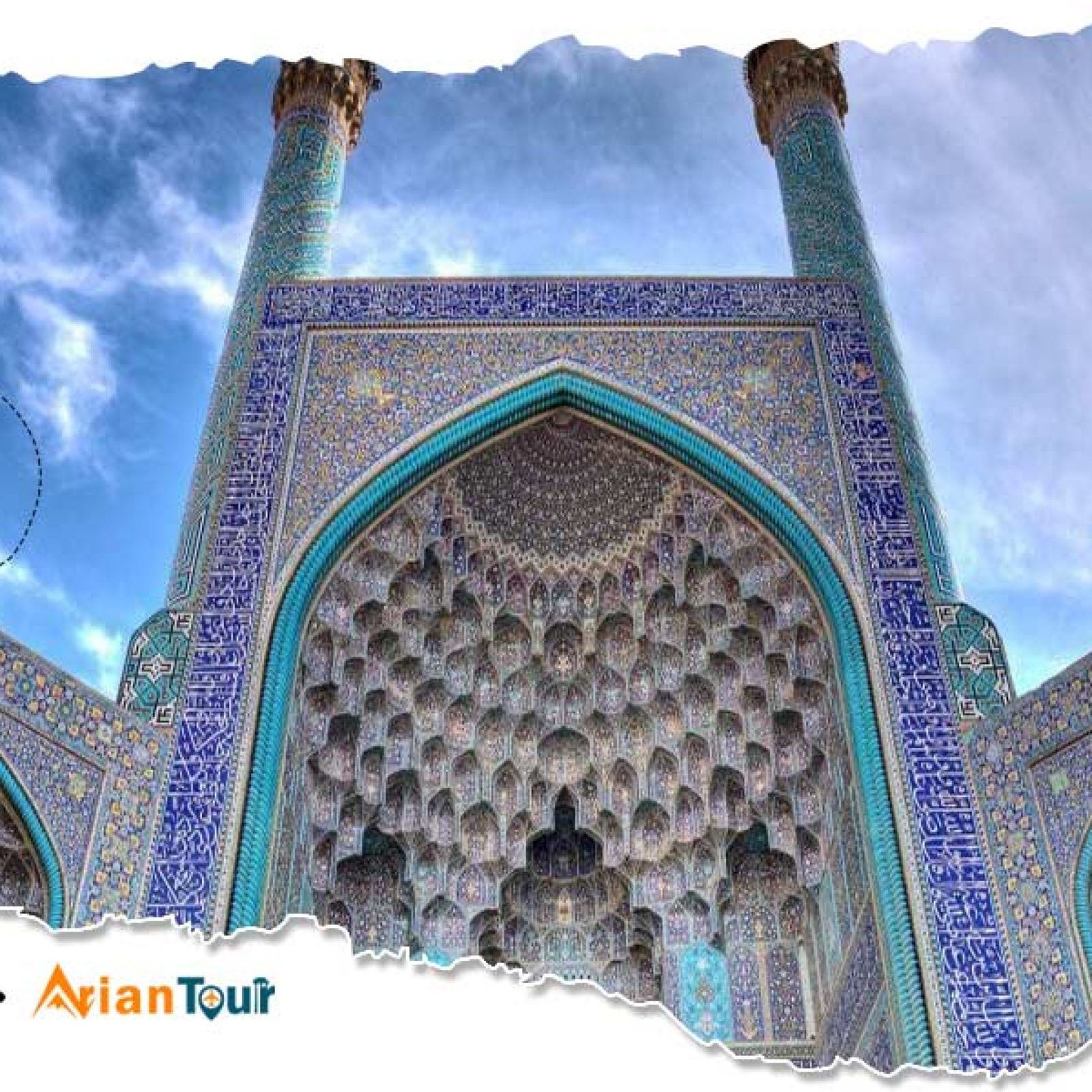
Turquoise, cobalt and gold, curving against a desert sky — the great domes of Iran are among the most photographed sights in the country, and among the most rewarding to stand beneath.
Some countries are defined by their towers; Persia is defined by its domes. For a thousand years, Iranian builders refined the curve of the dome into a national art form — swelling shells of brick sheathed in glazed tile, catching the light so completely that whole cities seem to glow at dawn and dusk. To travel Iran is to move from one dome to the next, and each one is a photograph waiting to happen. Here is a journey beneath a handful of the finest, and a little of what makes them extraordinary.
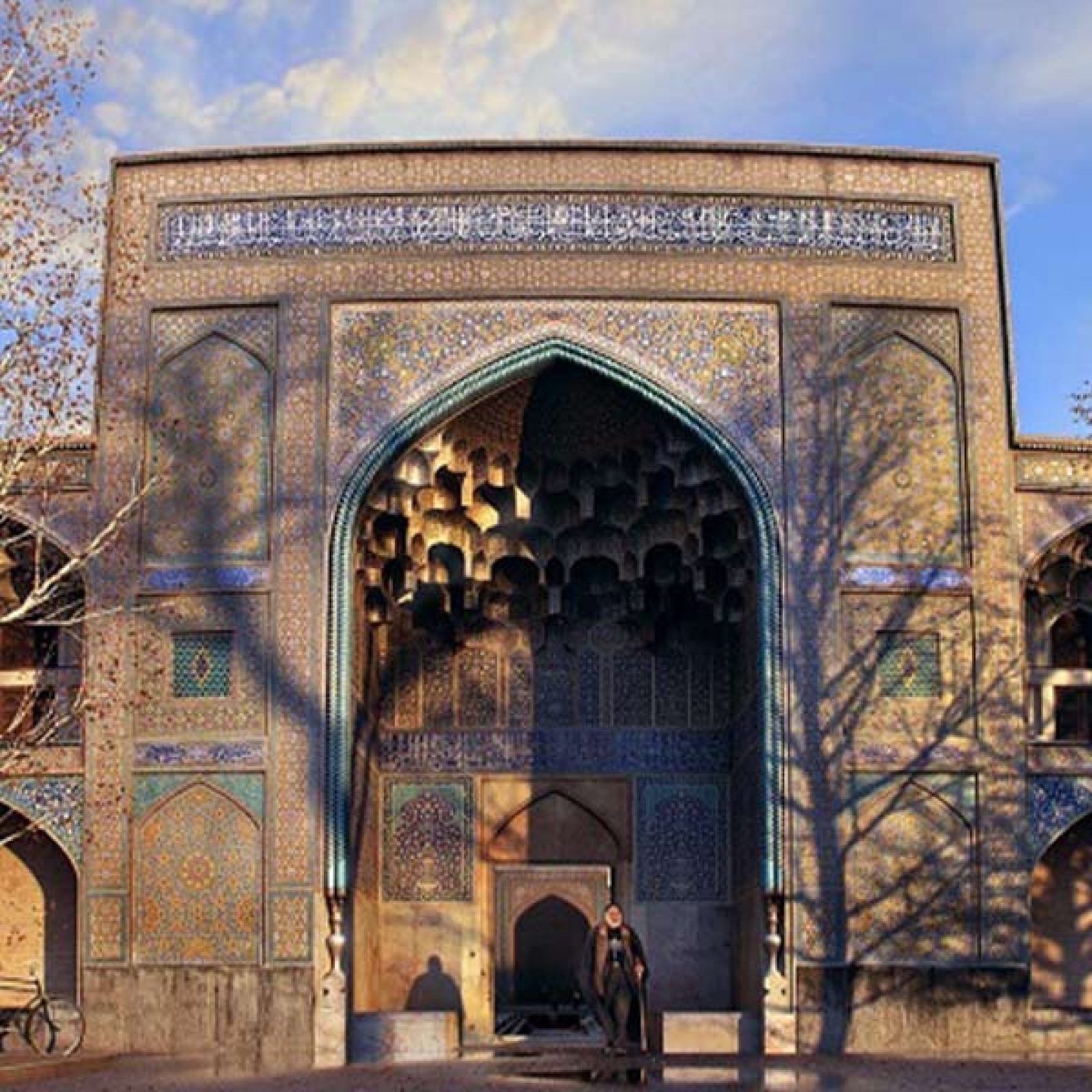
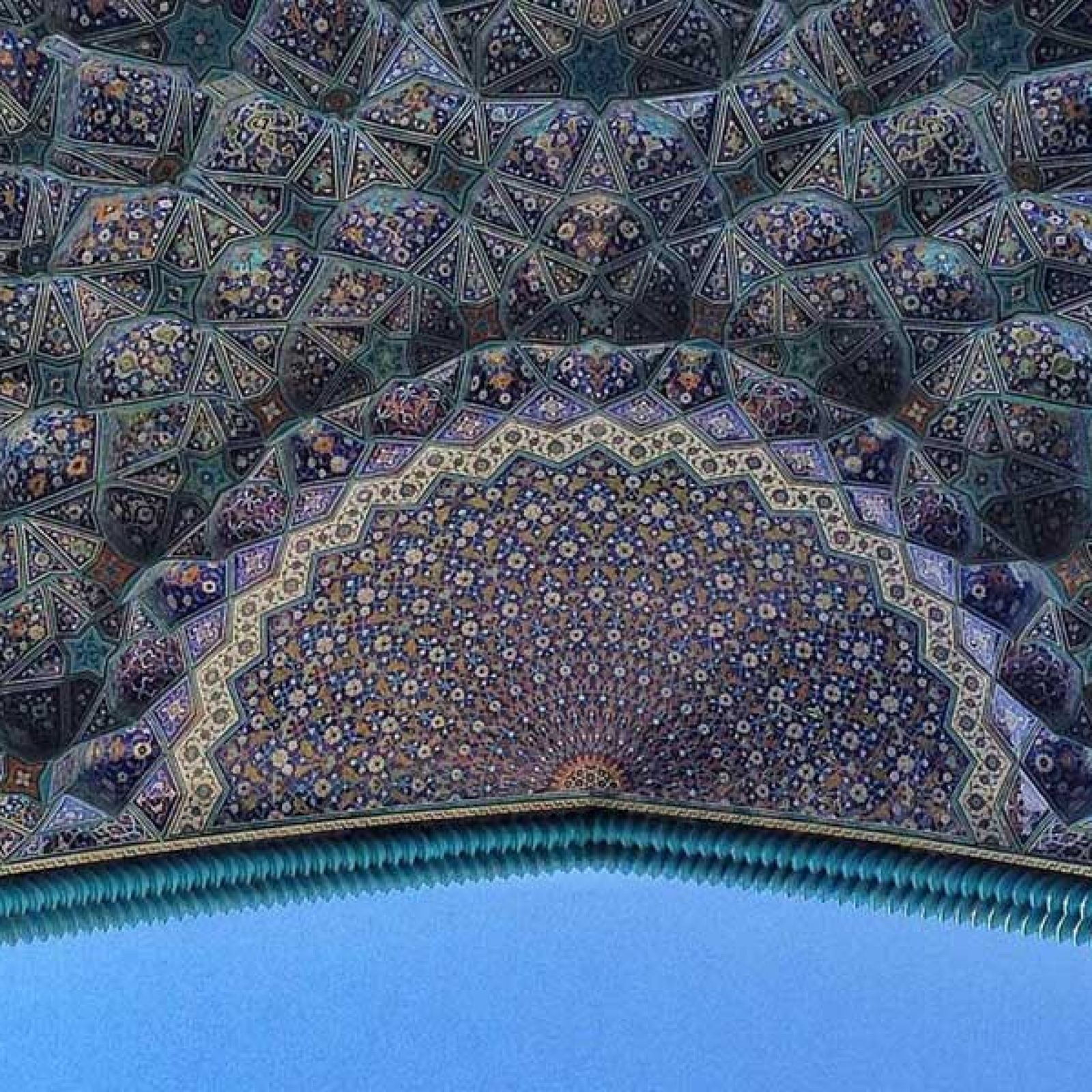
No city says "Persian dome" like Isfahan. On the vast Naqsh-e Jahan Square, the Shah Mosque (also called the Imam Mosque) lifts a great turquoise shell into the sky, its surface a shifting field of arabesque and calligraphy. Like many of Iran's grandest domes it is built as a double dome — an inner shell for the prayer hall and a taller outer shell for the skyline — a technique Persian architects mastered centuries before it reached Europe. Stand under the apex, clap once, and the echo rolls around the chamber like distant thunder. You can wander from the square straight into the workshops and arcades of our Isfahan destinations.
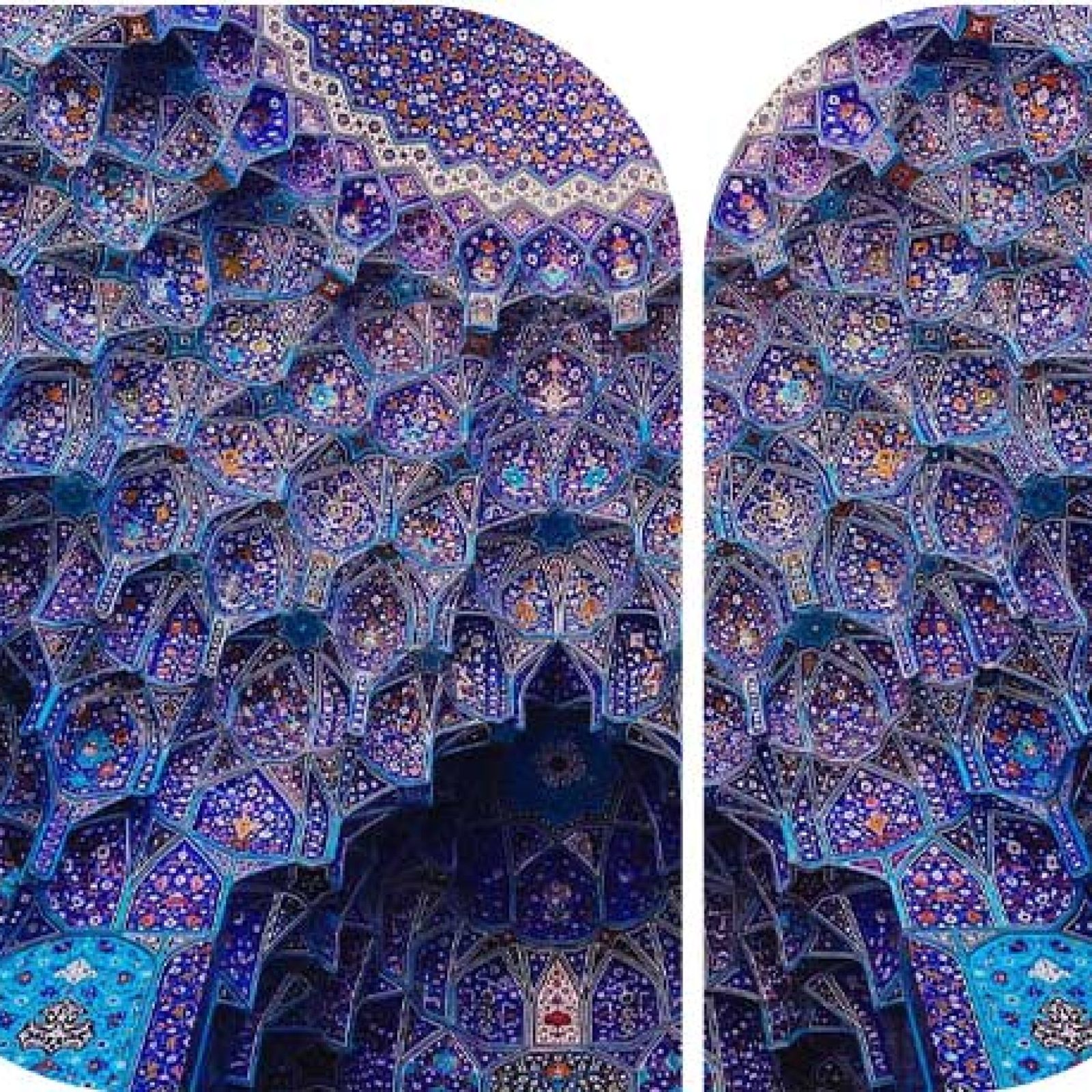
Across the square from the Shah Mosque stands its smaller, subtler sibling: the Sheikh Lotfollah Mosque, built for Shah Abbas the Great in the early 17th century by the architect Sheikh Bahai. It has no courtyard and no minarets — just a single flattened dome over a square chamber, sheathed in cream and turquoise tile that turns rose-pink as the day warms. Look up into the interior and the tilework and window openings resolve, almost impossibly, into the shimmering tail of a peacock that shifts with the angle of the sun. It is one of the great quiet marvels of Persian art, and proof that a dome need not be huge to take your breath away.
A Persian dome is never just a roof — it is a sky, painted in tile, held up over your head.
Far to the northwest, near Zanjan, rises a dome of a different order entirely. The Dome of Soltaniyeh — raised for the Ilkhanid ruler Oljeitu in the early 14th century — is the largest brick dome in the world and the oldest surviving double-shell dome, its light-turquoise crown floating above a 50-metre octagonal tower. A UNESCO World Heritage Site since 2005, it is often cited as an ancestor of later marvels from Florence's cathedral to the Taj Mahal. Coming upon it across the plain, still dominating everything around it after seven centuries, is one of Iran's great "how is this not more famous?" moments.
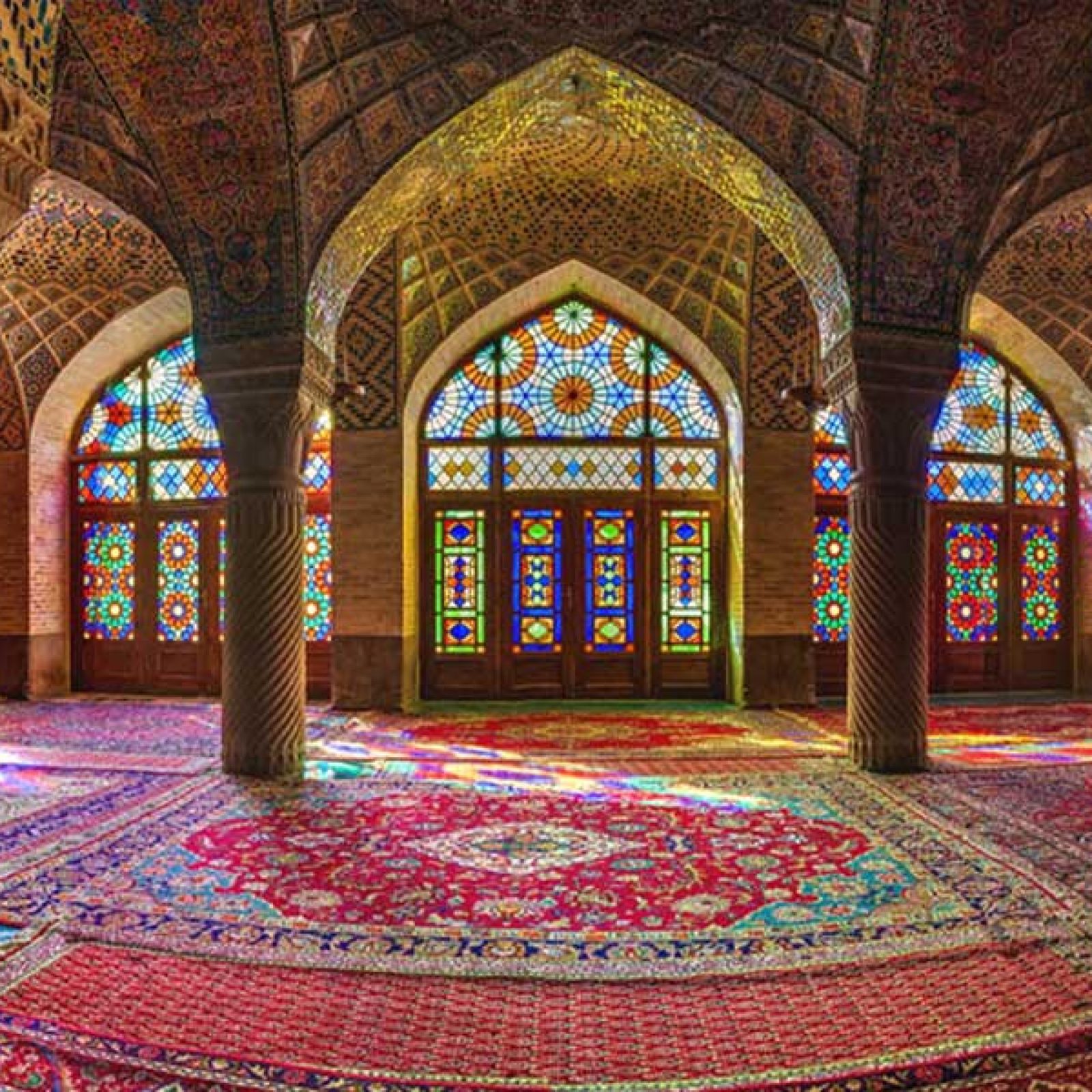
In Shiraz the drama comes as much from light as from tile. The Nasir al-Mulk Mosque — the famous "Pink Mosque" — is best met at sunrise, when the low sun pours through banks of stained glass and scatters pools of ruby, emerald and sapphire across the carpets and columns. Nearby, the Vakil Mosque spreads a forest of spiral columns beneath brick vaults, and the mirror-lined halls of the Shah Cheragh shrine glitter like the inside of a geode. Together they make Shiraz a photographer's city; you'll find the highlights among our Shiraz destinations.
Not every great Persian dome sits over a mosque. Walk the covered bazaars of Isfahan, Tehran or Tabriz and you pass beneath endless small brick domes and vaults, each pierced with a shaft of daylight that falls onto spice sacks, carpets and coppersmiths' stalls below. It is architecture at its most everyday and most photogenic — and it's the beating heart of our bazaar experiences and our craft-focused journeys.
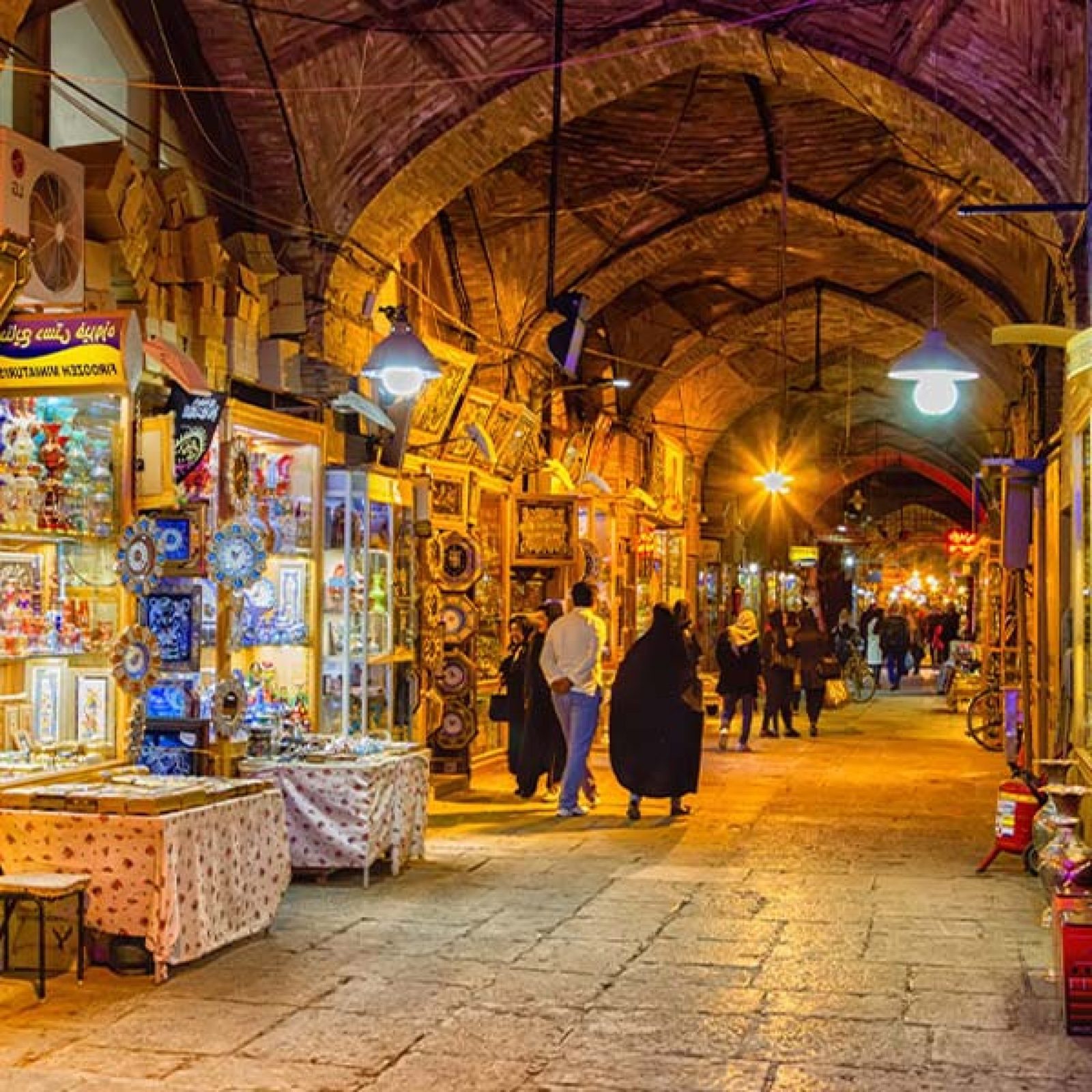
If you want the postcard shots, timing is everything. Early morning gives you empty courtyards, soft light and the pink hour on Isfahan's tiles; late afternoon warms the glazes to gold before the domes are floodlit at night. Bring a wide lens for the interiors, look for reflections in the courtyard pools, and always take a moment to simply stand and look up before you reach for the camera. For visas, seasons and what to wear inside religious sites, see our travel FAQ.
Iran's domes are best strung together on a single unhurried route through Isfahan, Shiraz and beyond. Tell us what moves you — architecture, colour, quiet corners — and we'll build a private, dome-to-dome itinerary around you: plan my trip.
Published by Arian Tour — Iran travel specialists. Opening hours and access to religious sites can change; we confirm the details when planning your trip.
 Plan Your Visit
We'll craft a private, tailor-made route through Iran's finest tiled domes — from Isfahan's squares to the quiet marvels beyond.