
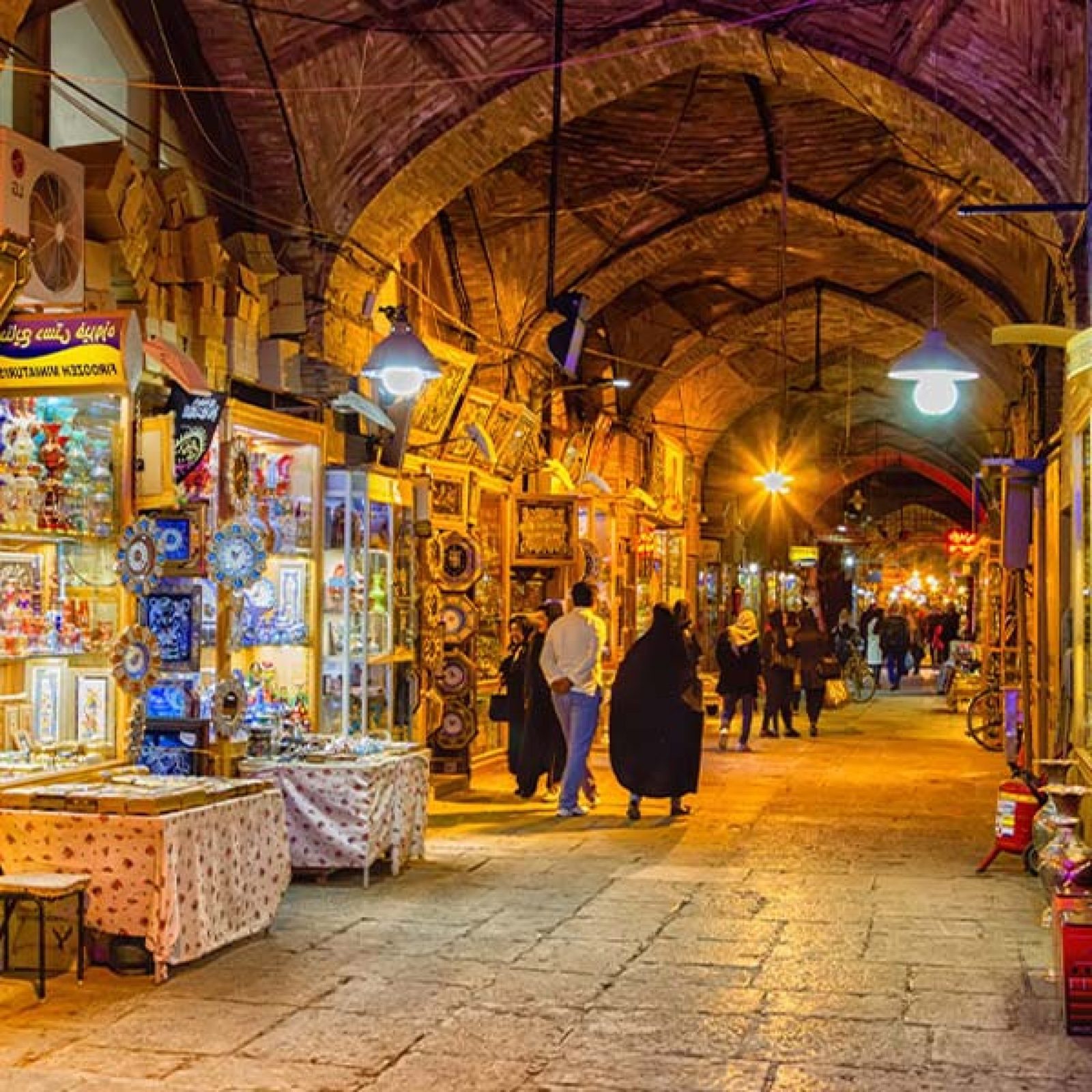
Centuries of skill live on in Iran's workshops and bazaars — here are the crafts most worth seeking out, and the cities where each was born.
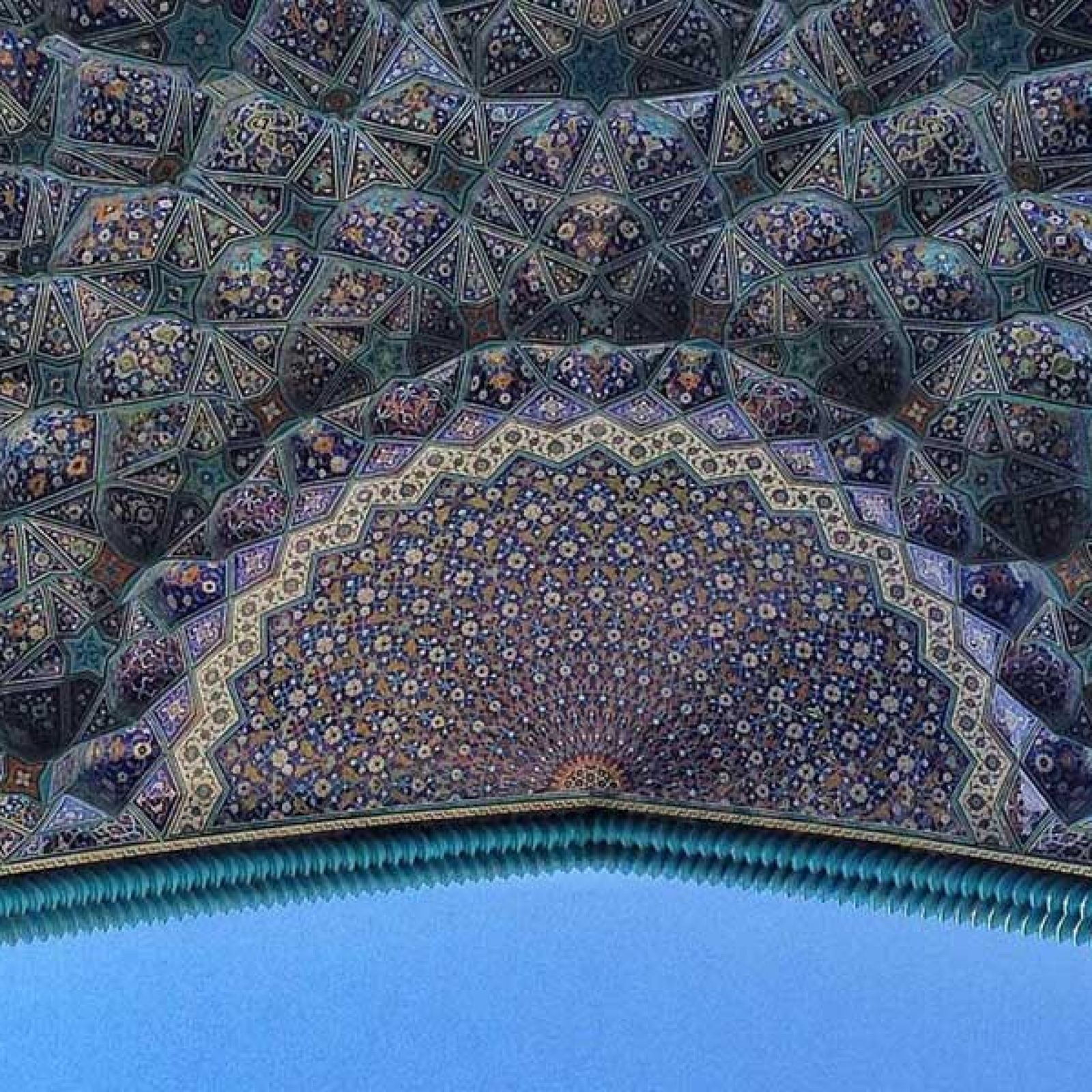
Few countries wear their craft heritage as openly as Iran. Walk through any historic bazaar and you'll pass coppersmiths hammering out trays, weavers bent over looms, and painters tracing gold onto enamel — trades passed down, master to apprentice, across many generations. The tradition runs so deep that Isfahan was recognised by the World Crafts Council as a World Craft City, home to well over a hundred distinct crafts, while Tabriz is celebrated as a world city of the carpet and Zanjan as a world city of filigree. For travellers, these handicrafts are more than souvenirs: they are a window onto Persian art, and the best of them will outlast any holiday. Here are eight to look for.
No craft is more bound up with Iran's identity than the hand-knotted carpet. Woven from wool and silk and coloured with natural dyes, a fine rug can take months or even years to complete, its patterns carrying the signature of a particular town or tribe. Tabriz, Kashan, Isfahan and Yazd each have their own celebrated styles, from dense medallion designs to flowing garden motifs. Buying one is a slow pleasure best enjoyed over tea with a dealer — one of the great rituals of the Persian bazaar.
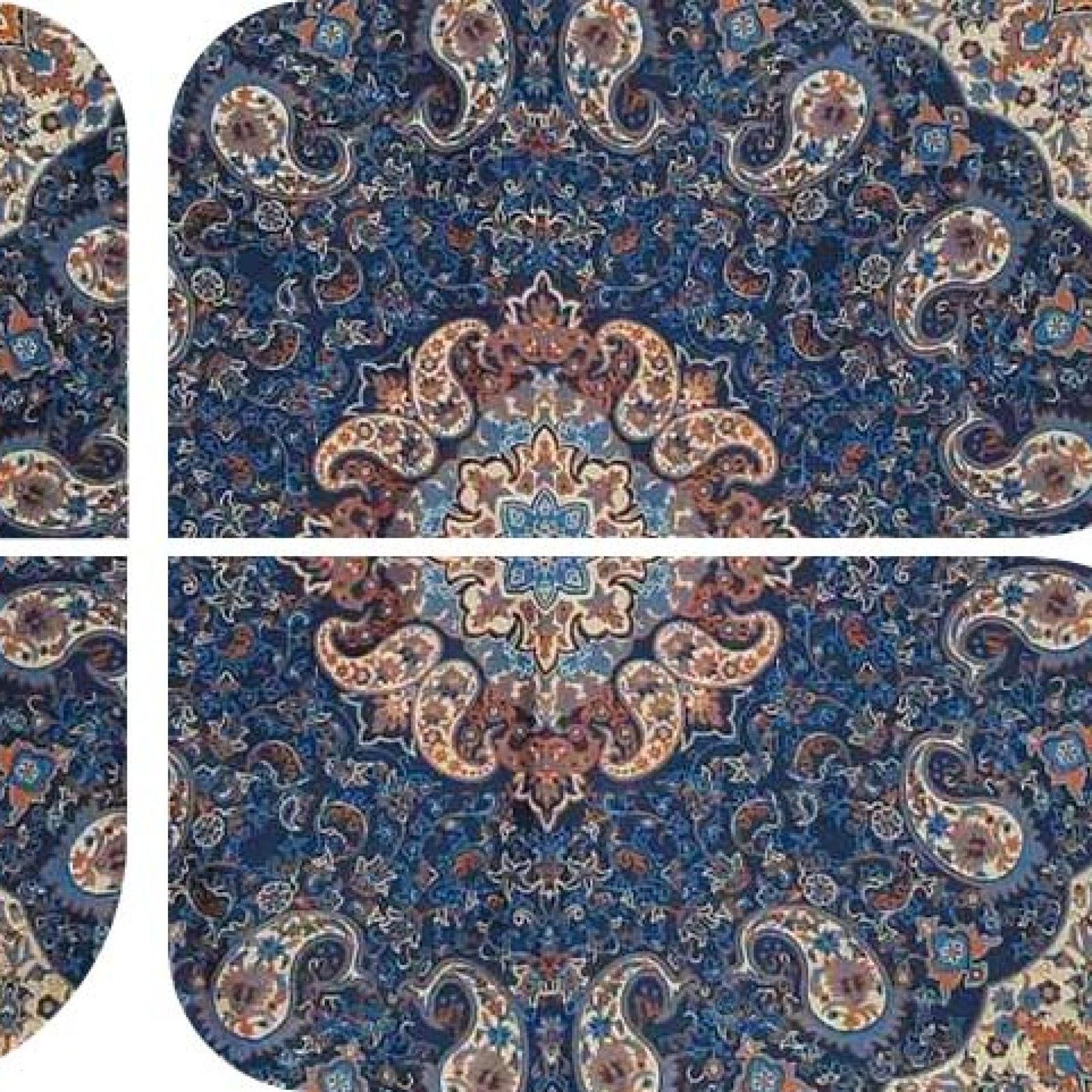
Termeh is a luxurious silk-and-wool cloth woven with dense, jewel-like patterns, historically associated with the desert city of Yazd. Traditionally it was draped over cushions, wrapped around precious objects or spread as a ceremonial cloth; today you'll find it as table runners, cushion covers and shawls. Its swirling paisley — the boteh motif that travelled west to become "paisley" — makes it one of the most portable and giftable of all Persian textiles.
Mina-kari is the delicate art of painting fine designs onto copper, silver or gold and firing them in a kiln until the colours fuse into glassy enamel, usually in a deep, unmistakable blue. Isfahan is its great centre, and the city's workshops turn out bowls, plates and vases patterned with flowers and arabesques. The technique is ancient, and it flowered under the Safavid dynasty alongside the tilework of Isfahan's famous squares. You'll see it at its best in the workshops around Isfahan.
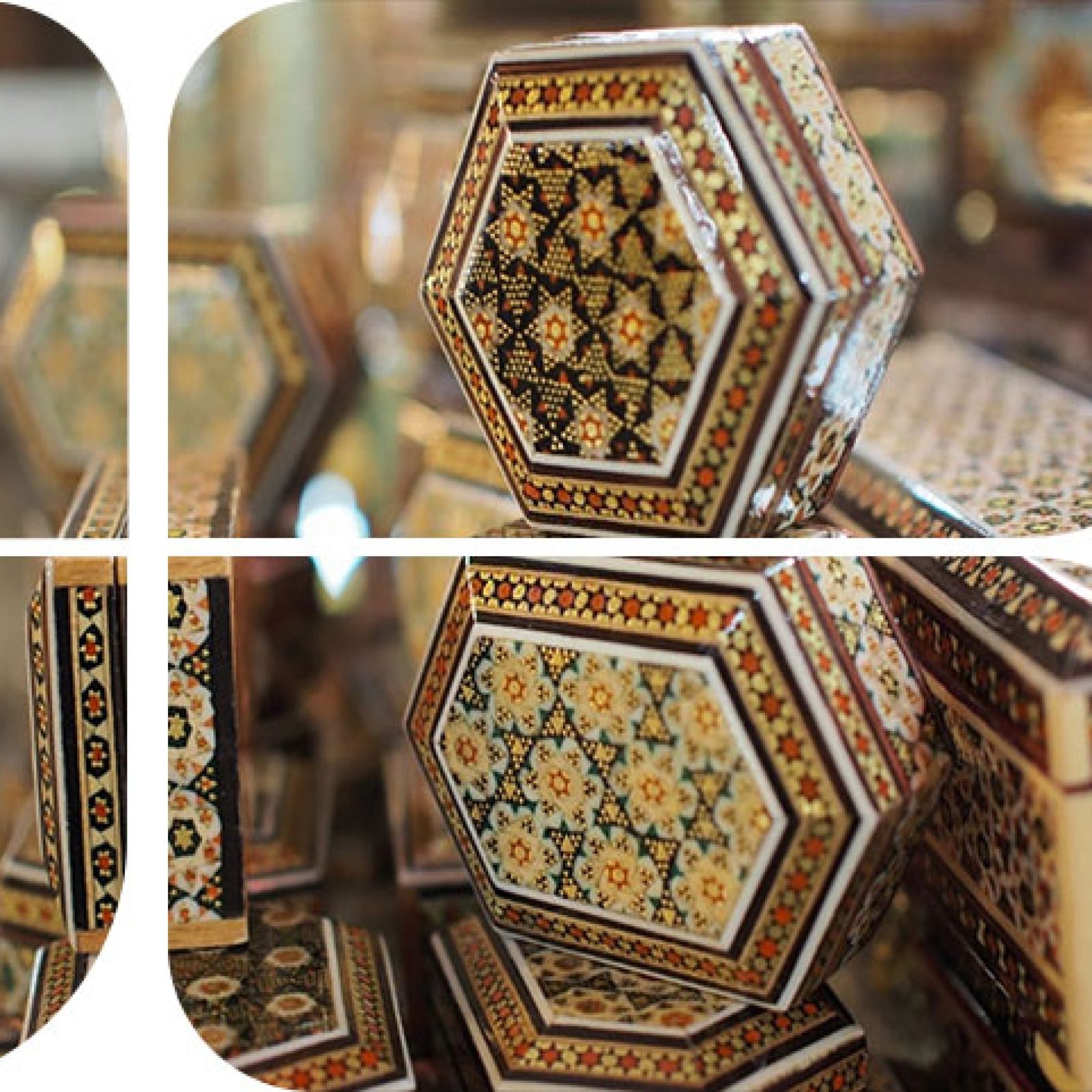
Khatam-kari is inlay work of astonishing precision: minute triangular rods of wood, brass, bone and shell are bundled, sliced into wafer-thin mosaics and applied to boxes, frames and chessboards in dazzling star patterns. The craft flourished under the Safavids and is today associated above all with Shiraz and Isfahan. A small khatam box is a perfect keepsake — light to carry, and a marvel of patience up close. Shiraz's workshops make a rewarding stop on any visit to Shiraz.
Qalamkar is the art of hand block-printing cotton using carved wooden stamps, each pressed and re-inked by hand to build up repeating floral and paisley designs. Isfahan is its heartland, and the printed cloths — tablecloths, bedspreads and wall hangings — carry the same garden imagery that runs through so much Persian art. Because it packs flat and light, qalamkar is among the easiest crafts to bring home.
In an Iranian bazaar the craft is never separate from the maker — you buy the rug, the box or the bowl from the hands that made it.
Ghalamzani is the intricate engraving of copper, brass and silver, worked with fine chisels to raise scenes of hunts, gardens and flowing calligraphy across trays, vases and platters. It has been practised in Iran since antiquity and remains a signature craft of Isfahan, where you can often watch artisans tapping out a design by ear in a bazaar workshop. A polished engraved tray makes a striking centrepiece back home.
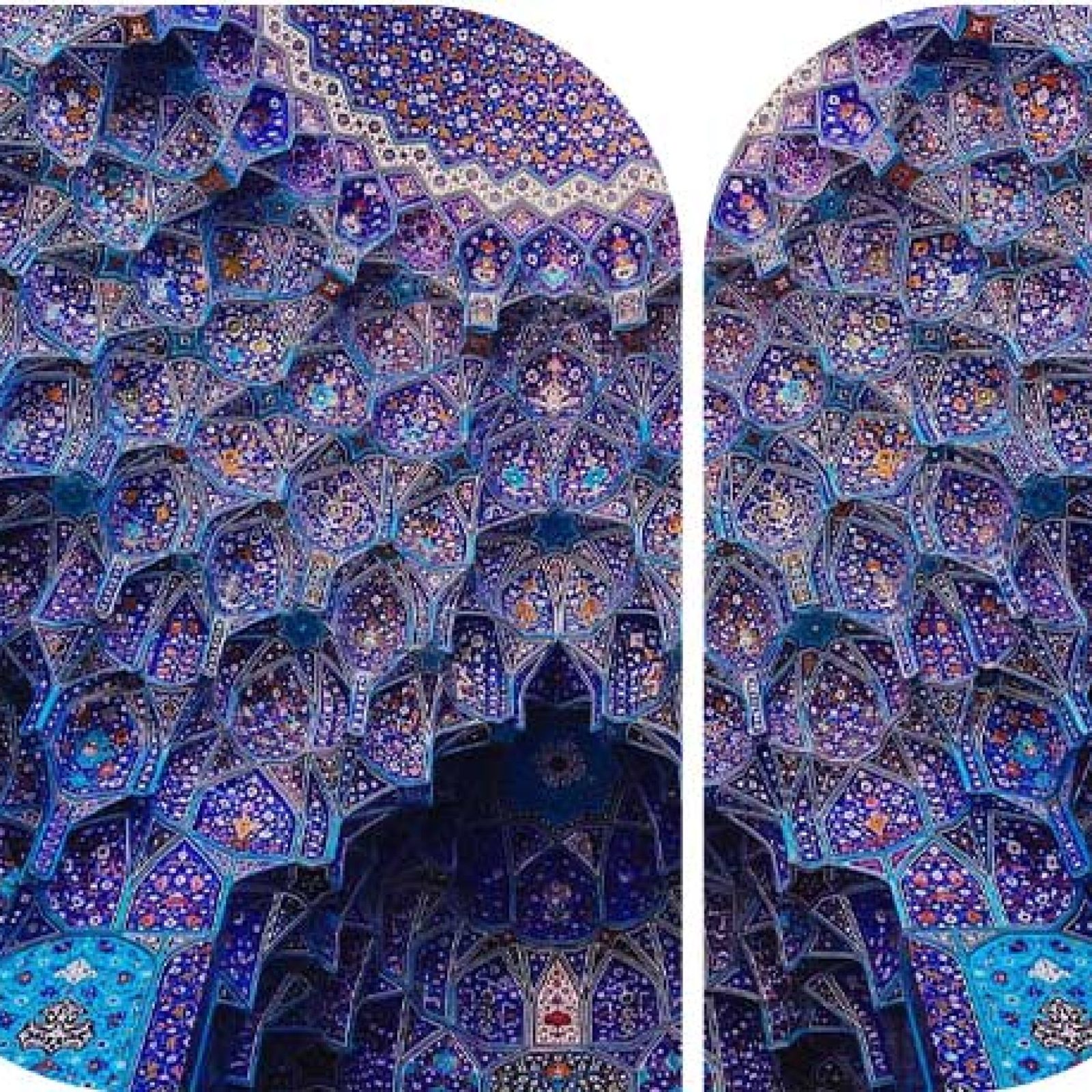
The blue-and-turquoise tiles that sheathe Iran's mosques and palaces have a domestic cousin in the country's ceramics: glazed bowls, plates and tiles painted with the same arabesques and floral scrolls. The village of Lalejin, near Hamadan, is often called Iran's pottery capital, while Isfahan and Meybod keep older ceramic traditions alive. Individual painted tiles and small bowls travel surprisingly well when wrapped with care.
Filigree, known in Persian as malileh-kari, twists fine threads of silver and gold into lace-like jewellery and ornaments. Its home is Zanjan, in the northwest, which the World Crafts Council named a world city of filigree — the province counts dozens of living crafts, from filigree to knife-making and traditional giveh footwear. Earrings, pendants and small dishes make delicate, easily packed gifts. Woven through a broader craft-focused journey, these workshops are among our most memorable cultural experiences.
Prices in Iran's bazaars are rarely fixed, so browse a few stalls, ask how a piece was made, and don't be shy about polite bargaining — it's expected and part of the fun. For carpets and higher-value items, ask about provenance and, where relevant, export paperwork. If you're unsure what's worth carrying home or how to pack it, our travel FAQ covers the practical side, and our guides are always happy to point you toward trusted workshops rather than tourist traps.
Persian handicrafts turn a trip into something you can keep. Tell us which crafts and cities you'd love to explore, and we'll build a private itinerary that puts the workshops, bazaars and makers front and centre: plan my trip.
Published by Arian Tour — Iran travel specialists. Craft styles, workshops and bazaar opening hours vary; we confirm the details when planning your trip.
 Plan Your Visit
We'll build a private, tailor-made itinerary around Iran's craft cities — bazaars, workshops and the artisans behind them.