
Slow-simmered stews, saffron rice and charcoal-grilled kabab — the eight plates worth building your days around.
Persian cooking is not a cuisine of chilli heat or heavy spice. It is a cuisine of patience and balance — herbs simmered until they turn dark and fragrant, rice steamed grain by grain, and the gentle tug-of-war between sweet and sour that runs through almost every pot. Meals in Iran are generous and unhurried, and travellers are almost always invited to share. Here are eight dishes to seek out, and a note on where each one tastes best.
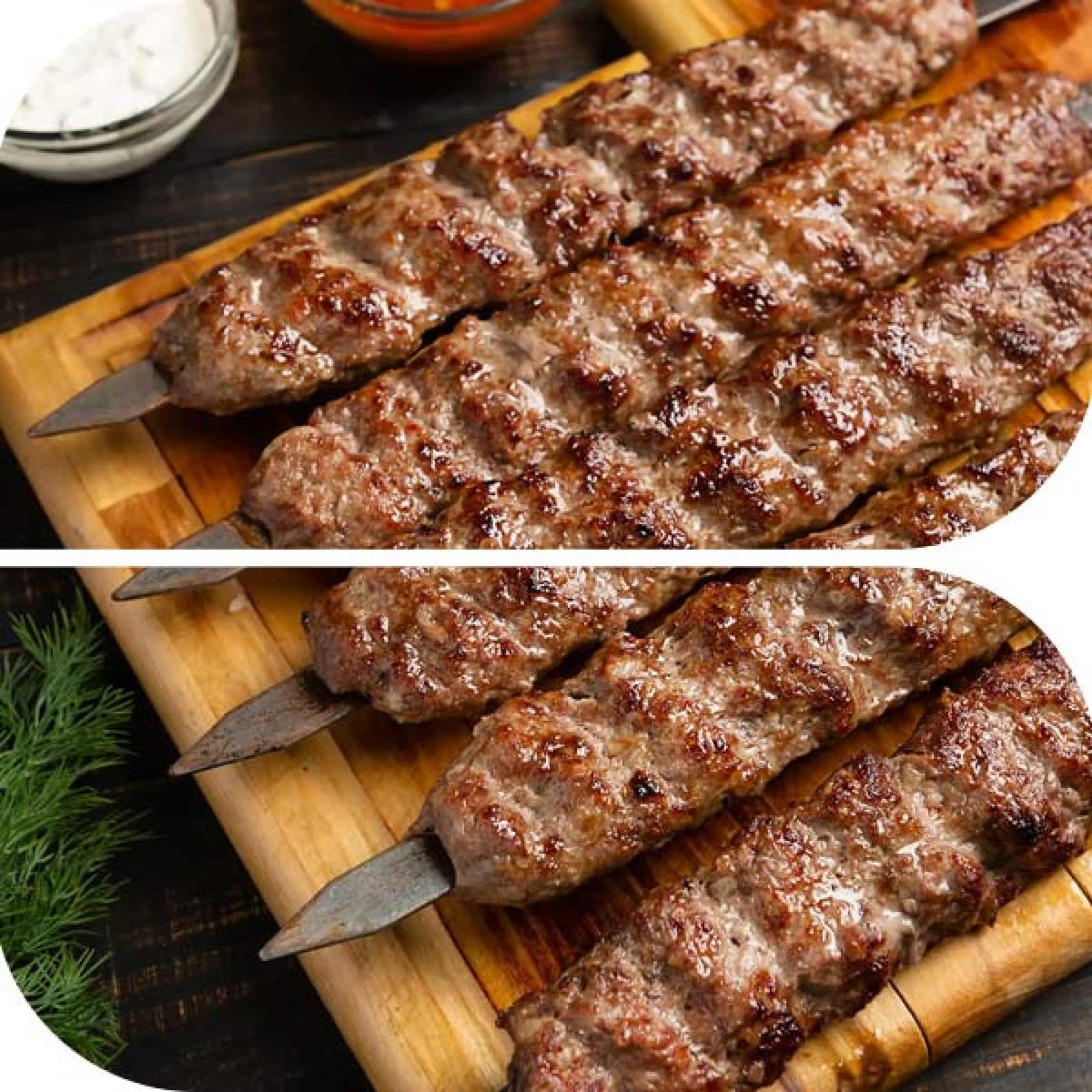
If Iran has one dish above all others, this is it: skewers of grilled meat served with a mound of steamed long-grain rice, a knob of butter melting into the saffron-stained grains, and a blistered tomato alongside. Order koobideh for minced lamb or beef pressed onto flat skewers, or barg for thin fillet. Sprinkle the crimson sumac at your table generously — its sharpness is part of the design. A glass of salty, minty doogh is the traditional partner.
Widely called Iran's national stew, ghormeh sabzi is a deep green braise of parsley, coriander, fenugreek and other herbs cooked down with kidney beans, lamb and dried Persian limes. Those limes give it a distinctive bittersweet edge you will not taste anywhere else. Every family insists their version is the correct one, and arguing about it is half the pleasure.
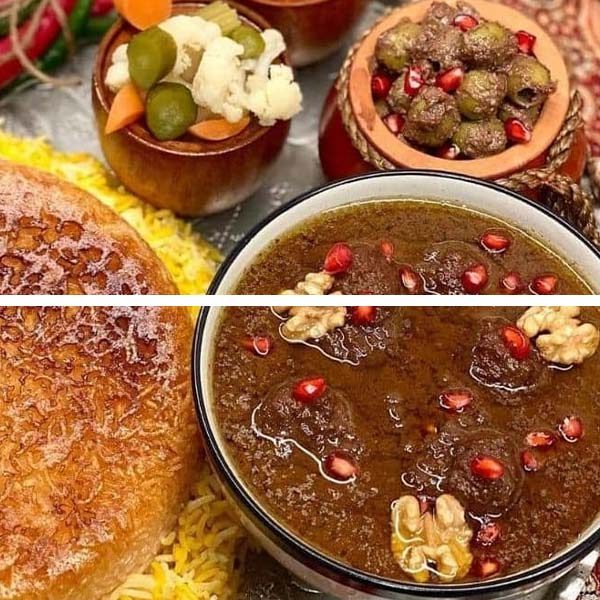
Ground walnuts and pomegranate molasses simmered for hours into a dark, velvety sauce around chicken or duck — sweet, tart, nutty and unmistakably celebratory. Fesenjan comes from the northern province of Gilan and appears at weddings and Yalda night tables across the country. It is at its finest in the green Caspian provinces where the walnuts and pomegranates grow.
More ritual than recipe. Lamb, chickpeas, white beans, potato and tomato are cooked in a stone or clay crock, then served with a small pestle. You pour off the broth and drink it with torn flatbread, then mash everything that remains into a soft paste to eat with herbs, pickles and raw onion. Two courses from one pot — and the classic way to spend a long lunch in a vaulted teahouse tucked inside a bazaar.
Rice baked with yoghurt, egg yolk and saffron into a golden cake, layered with chicken and often studded with barberries. Turned out and cut into wedges, it arrives at the table looking like a jewel — crisp and burnished outside, tender within. If you learn one Persian food word, make it tahdig: the prized crunchy crust from the bottom of the rice pot, which every guest at the table will politely fight over.
Persian food is built on patience — herbs cooked down for hours, rice steamed grain by grain, sweet and sour held in balance.
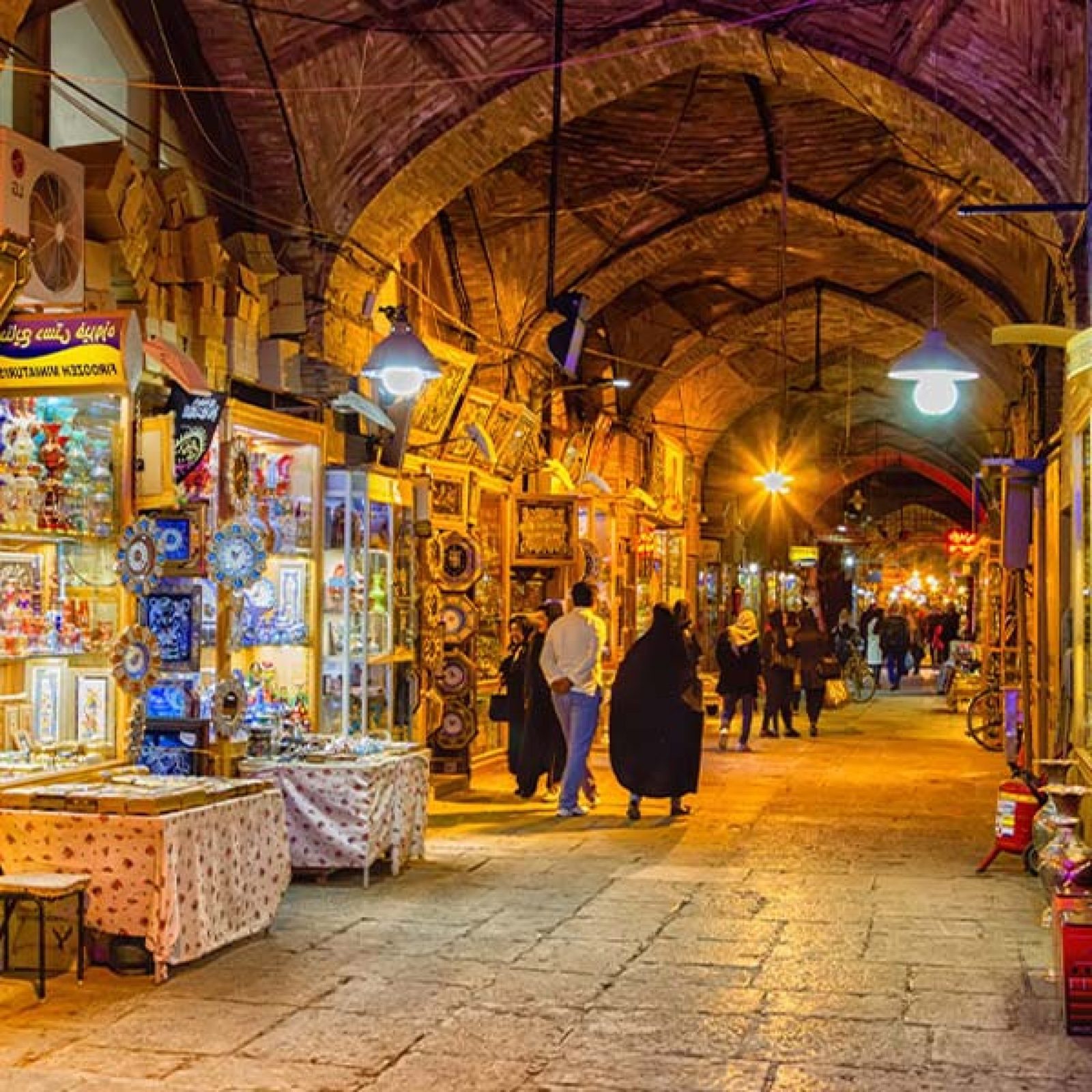
A thick, herby soup of noodles, chickpeas, lentils and beans, finished with fried mint, crisp onions and a swirl of kashk (fermented whey). It is comfort food with ceremony attached — cooked in vast pots for Nowruz and for charitable vows, and ladled out from street stalls on cold afternoons. Look for it around the bazaars of Isfahan and Tehran once the weather turns.
Smoked aubergine mashed with garlic, tomato and egg into a smoky, garlicky dip eaten warm with bread. It is the star of the northern table, where Gilani cooking leans on garlic, sour flavours and the produce of the rice paddies and forests. Order it alongside grilled fish from the Caspian and you have the region in two plates.
Rice layered with broad beans and mountains of fresh dill, served with a lamb shank braised until it slides off the bone. Fragrant, green-flecked and quietly luxurious, this is the dish Iranians cook when guests matter. It appears at feasts, family gatherings and the better traditional restaurants in every city.
Eat where locals eat: traditional restaurants housed in old courtyards, bazaar teahouses at lunchtime, and family homes if you are lucky enough to be invited — and you often will be. Vegetarians do well with ash, mirza ghasemi, kuku herb frittatas and rice dishes, though it is worth saying so clearly when ordering, as stews are usually meat-based. Save room for dessert too: rosewater ice cream and the shaved-noodle sorbet faloodeh are a Shiraz institution. Our Food & Bazaars journey and our culinary experiences are built around exactly these tables, from home kitchens to bread ovens at dawn. For practical questions about dining, dietary needs and daily costs, see our travel FAQ.
The fastest way to understand Iran is to sit down and eat there. Tell us what you love to eat and we will build a private itinerary around it — markets, kitchens, orchards and all: plan my trip.
Published by Arian Tour — Iran travel specialists. Regional recipes vary widely and seasonal ingredients change what is on the menu; we confirm restaurants and food experiences when planning your trip.
 Plan Your Visit
Private, tailor-made journeys built around bazaars, home kitchens and the country's great regional tables.