
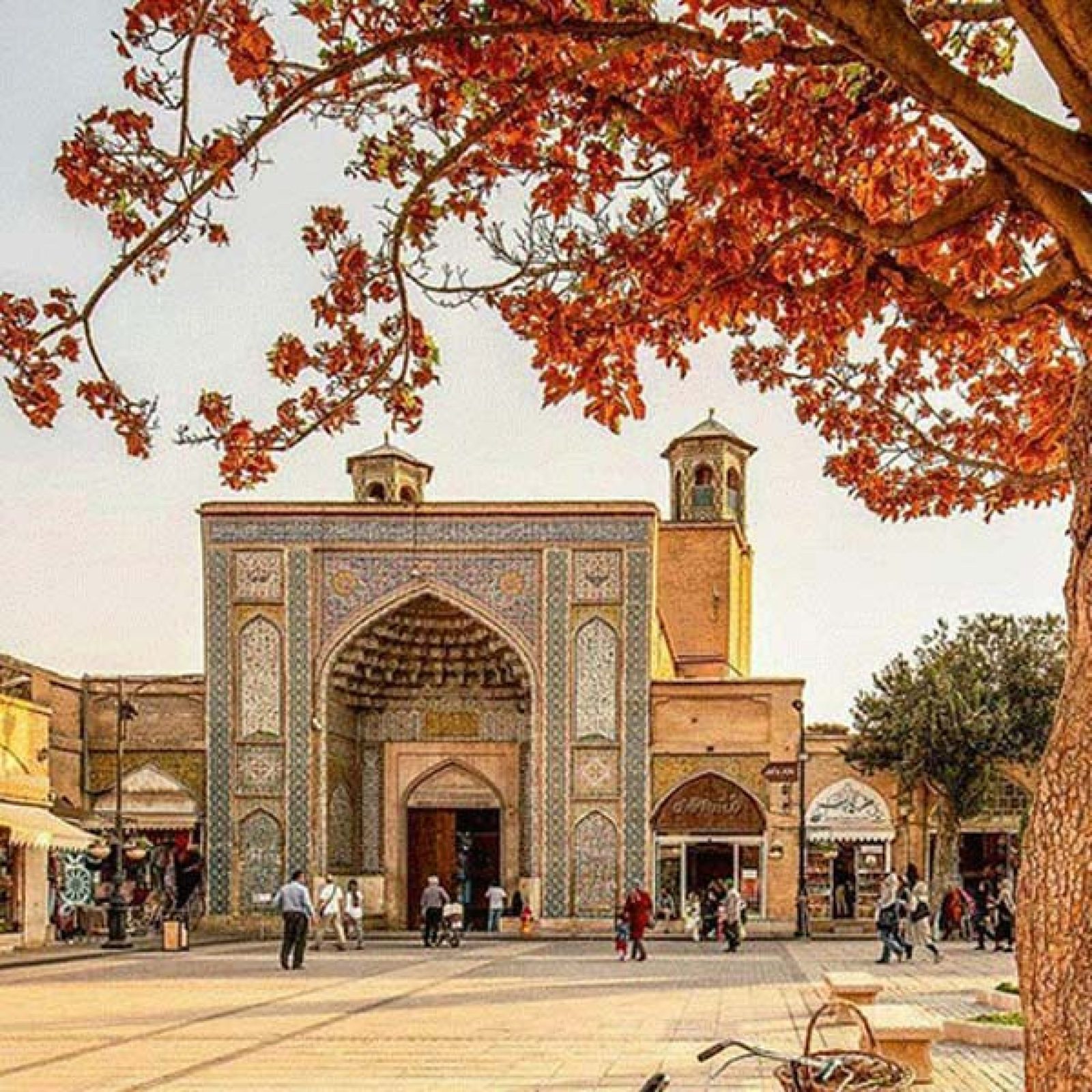
Fortified inns built for camel caravans, spaced a day's march apart across deserts and mountains — and eight of the most beautiful survivors you can still walk into today.
Long before highways and hotels, Iran ran on caravanserais. These fortified roadside inns — karvansara, literally "caravan house" — stood roughly a day's travel apart along the trade routes that crossed the Iranian plateau, offering merchants, pilgrims and their animals water, shelter, a safe courtyard and a warm meal. Hundreds still stand, in ruins or restored, and in September 2023 UNESCO inscribed 54 of them across 24 provinces as a single World Heritage property, "The Persian Caravanserai", praised for the sheer range of architectural styles and climate adaptations they represent. Some are now museums, some are bustling bazaar courtyards, and a handful have been turned into the most atmospheric places to sleep in the country. Here are eight of the very best, and how they fit into a journey through our destinations.
Known affectionately as the "mother of Iranian caravanserais", Deyr-e Gachin sits alone in the middle of Kavir National Park, about 80km from Qom on the ancient Ray–Qom road. Its origins are traced back to the Sassanid era, and it was rebuilt and enlarged under the Seljuks, Safavids and Qajars — so walking its walls is a stroll through more than a millennium of Persian building. Behind four round corner towers you'll find dozens of chambers, stables, a mosque, a bathhouse, a gristmill and an underground shabestan: effectively a small walled town built for travellers. Arrive late in the day, when the desert light turns the plaster gold and the silence is total.
Roughly an hour south of Yazd on the old Fars-to-Khorasan road, Zein-o-din is the one every photographer wants: a 16th-century Safavid inn built to a rare circular plan, its eight-metre walls punctuated by semicircular towers, with about thirty vaulted alcoves ringing a central courtyard. Commissioned in the reign of Shah Abbas the Great — who is credited with a vast programme of caravanserai building along the empire's roads — it was carefully restored and now works again as a simple inn, serving Persian meals under the vaults and offering some of the darkest, starriest skies in central Iran. It slots perfectly into our Deserts & Oases route.
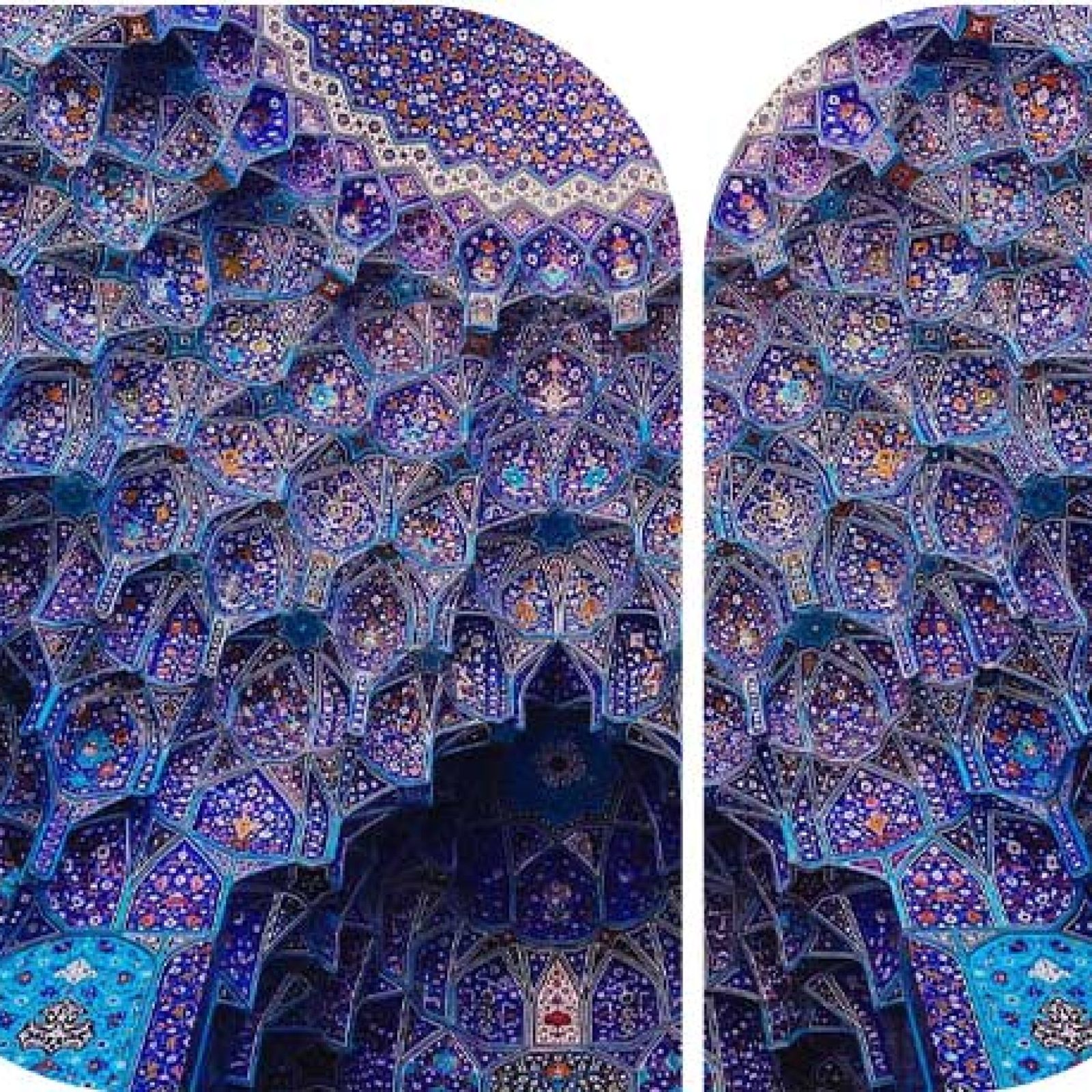
Most caravanserais guarded the open road; this one sits in the heart of a city. Completed in 1894 under the Qajars, on the orders of Qazvin's governor Mohammad Bagher Khan Sa'd al-Saltaneh, it is among the best preserved urban caravanserais anywhere and is widely described as the world's largest indoor example, spreading over some six hectares. A square plan, four iwans around the courtyard, honeycombed muqarnas vaults and long covered halls make it a joy to wander — and, restored and busy again with tea houses, craft shops and workshops, it is one of the finest bazaar experiences in Iran.
Out towards the Turkmen border between the historic cities of Merv and Nishapur, Robat Sharaf is the connoisseur's choice — a Seljuk masterpiece begun in 1114 and remodelled in 1154 under the patronage of Turkan Khatun, wife of Sultan Sanjar. It is sometimes called Iran's museum of brickwork: instead of coloured tiles, virtually every surface is worked in intricate geometric brick bonding and carved stucco. Two courtyards, deep iwans and a domed hall show just how grand a "roadside inn" could become. Pair it with the shrine city of Mashhad on a northeastern loop.
Meybod is a desert town of mud-brick marvels — an ice house, a pigeon tower, a Sassanid-era citadel — and its Safavid Shah Abbasi caravanserai anchors the set. Restored and listed among Iran's national monuments, it stands beside the old post house, so you can see the full logistics of a Silk Road stop in one visit: where the caravans rested, where the ice was stored, where the messengers changed horses. It makes a natural half-day stop between Yazd and Isfahan.
Isfahan's grandest caravanserai never stopped hosting travellers. Built in the Safavid era beside the Chaharbagh theological school and converted into a hotel in the 1970s, the Abbasi wraps its rooms around an enormous garden courtyard of turquoise tilework, cypress trees, fountains and painted alcoves. Even if you sleep elsewhere, come for tea in the courtyard at dusk — it is the single easiest way to feel what a caravanserai was for. Isfahan's monuments are the centrepiece of our Classic Persia journey.
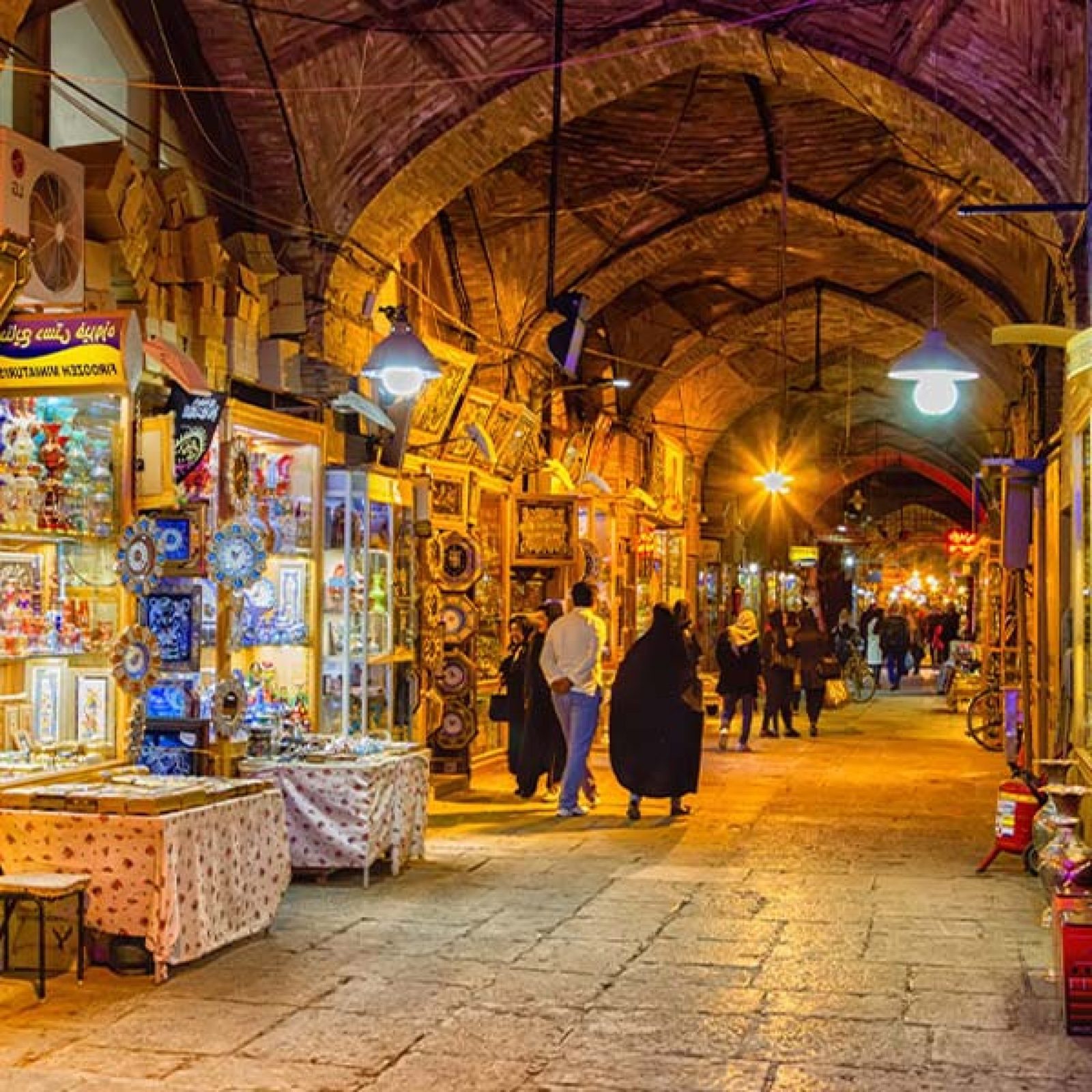
At the southern end of Shiraz's famous Vakil Bazaar, Saray-e Moshir is a Qajar-era trading caravanserai built by Mirza Abolhassan Khan Moshir-ol-Molk, laid out in the Safavid manner around a courtyard with a central pool and flower beds. Today its two storeys of arcaded rooms are given over to handicraft shops — miniature painting, inlaid khatam, textiles, spices — which makes it the best place in Shiraz to slow down, sit by the water and watch the bazaar go by. Our craft experiences often begin in courtyards like this one.
For something completely different, head to the green north. The Safavid-era Titi caravanserai stands in the forested hills of Siahkal in Gilan, built of river stone, brick and gypsum on the orders of a noblewoman, Titi Khanum — an unusual and much-loved detail in a landscape of male patrons. Moss creeps over its walls, mist hangs in the trees, and the octagonal domed vestibule feels a world away from the desert inns of the plateau. It's a memorable stop on any route through the Caspian north.
A caravanserai is architecture with a job to do: thick walls against raiders and weather, a single guarded gate, and a courtyard where strangers became guests.
The pleasure of these buildings is that they were designed as a chain, so they string together naturally into a route: Qazvin and Deyr-e Gachin in the north, the Yazd inns in the central desert, Isfahan and Shiraz for the urban courtyards, and Khorasan or Gilan if you want to go further off the usual line. Several are remote, opening hours vary, and the ones that operate as hotels are small and fill quickly in spring and autumn — so it pays to plan ahead and confirm access before you set out. Practical questions about visas, driving distances, weather and what to wear are answered in our travel FAQ, and we're always happy to build these stops into a tailor-made itinerary.
If the idea of falling asleep inside a 400-year-old Silk Road inn appeals — and it should — tell us your dates and interests, and we'll design a private journey that links the finest of them at an unhurried pace: plan my trip.
Published by Arian Tour — Iran travel specialists. Restoration works, opening hours and accommodation at historic sites can change; we confirm current conditions when planning your trip.
 Plan Your Visit
We'll craft a private, tailor-made route through Iran's most beautiful caravanserais — deserts, bazaars and forested hills included.