
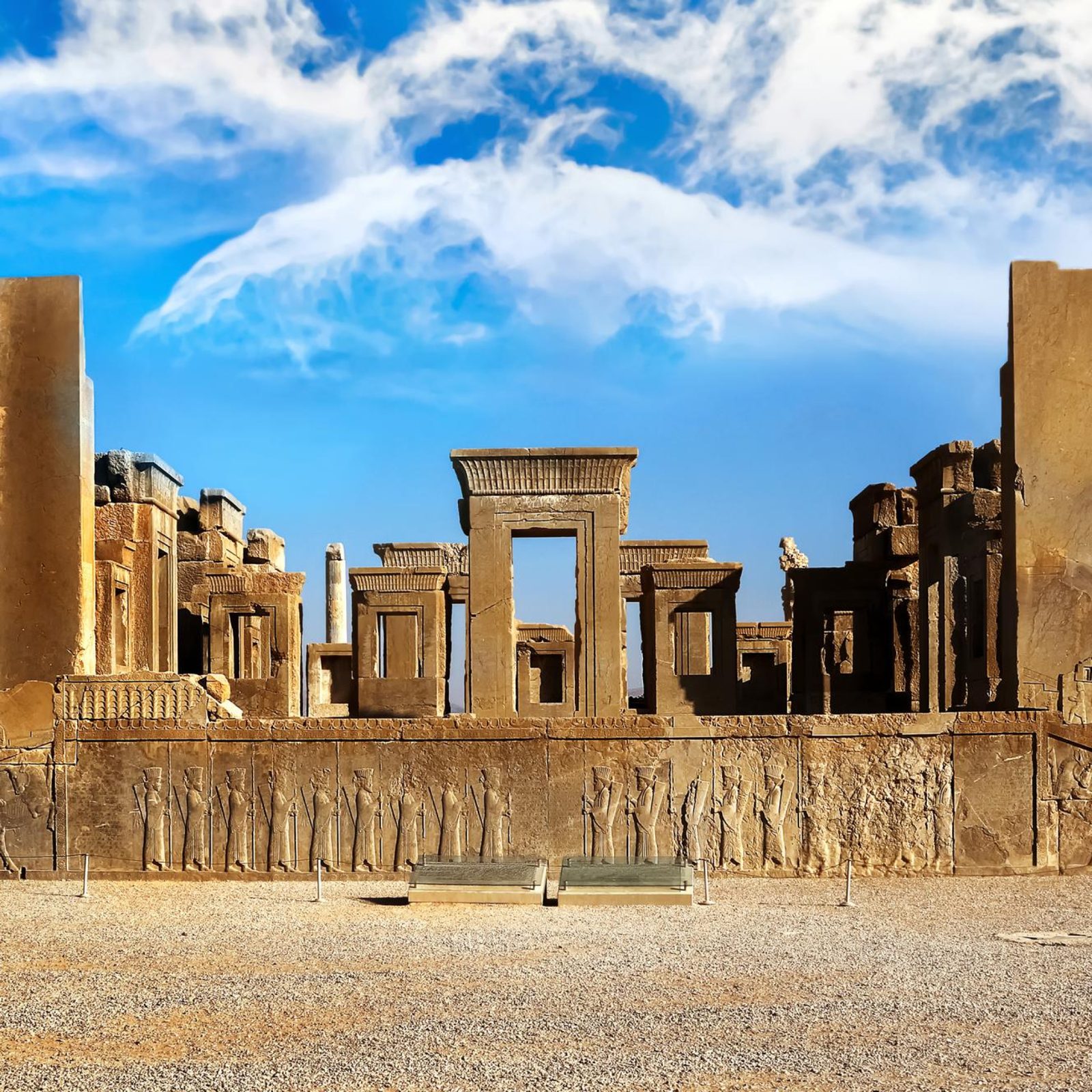
Iran is one of the world's great heritage nations — 29 sites and counting. Here are seven we'd never skip, and how to weave them into a single journey.
Few countries pack as much history into one map as Iran. With 29 UNESCO World Heritage Sites inscribed to date — the most recent added in 2024 and 2025 — the hardest part of planning a trip is choosing what to leave out. Below are seven of the most rewarding, spread across the classic traveller's triangle of Tehran, Isfahan and Shiraz, plus the desert city of Yazd. Most can be combined comfortably in a week to ten days.
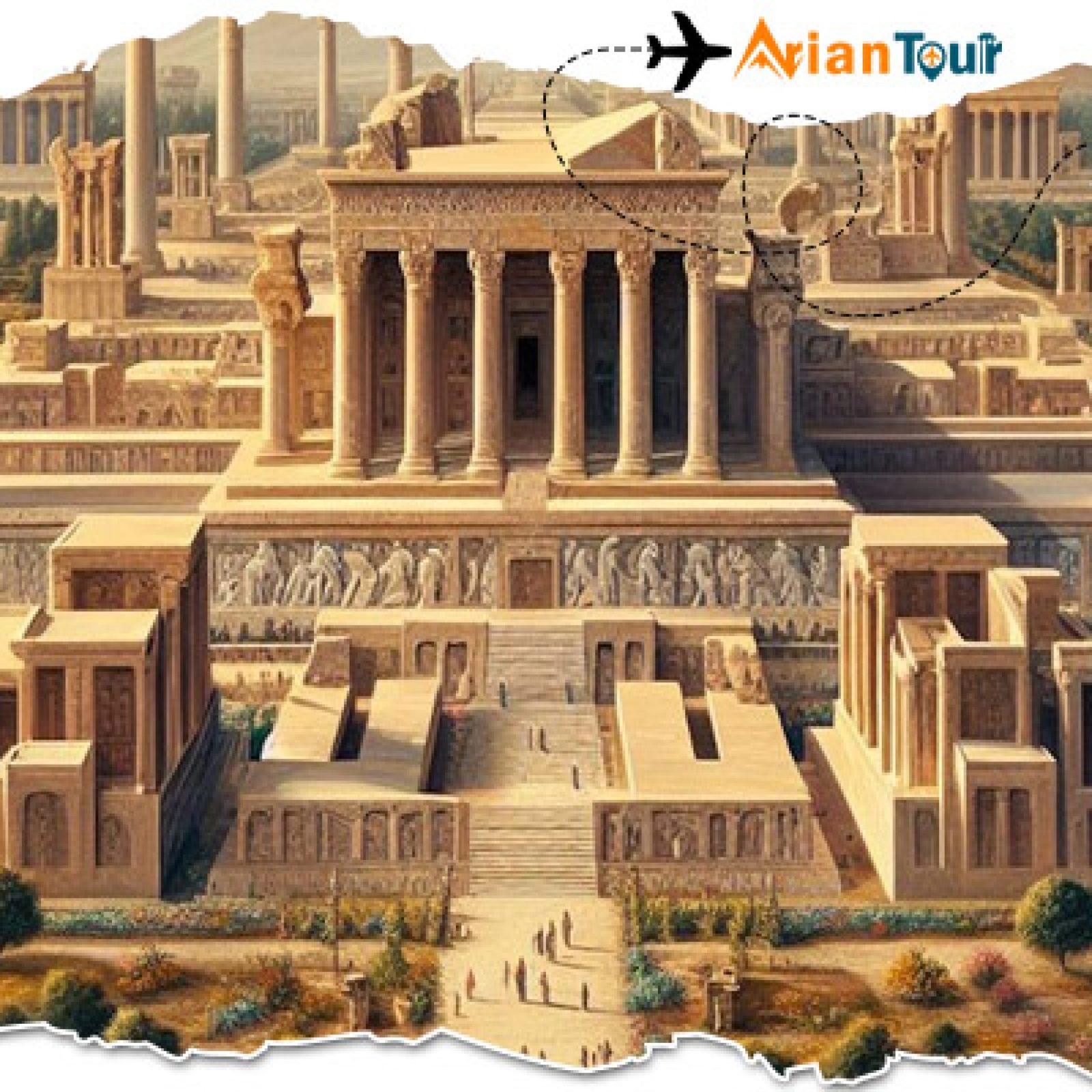
The ceremonial capital of the Achaemenid Empire, founded by Darius the Great around 518 BC, Persepolis was one of Iran's first World Heritage Sites and remains the country's signature monument. Climb the great stairway, trace the carved processions of tribute-bearers and stand among the towering columns of the Apadana. It sits about an hour from Shiraz; pair it with the nearby rock tombs of Naqsh-e Rostam for a full day of ancient Persia.
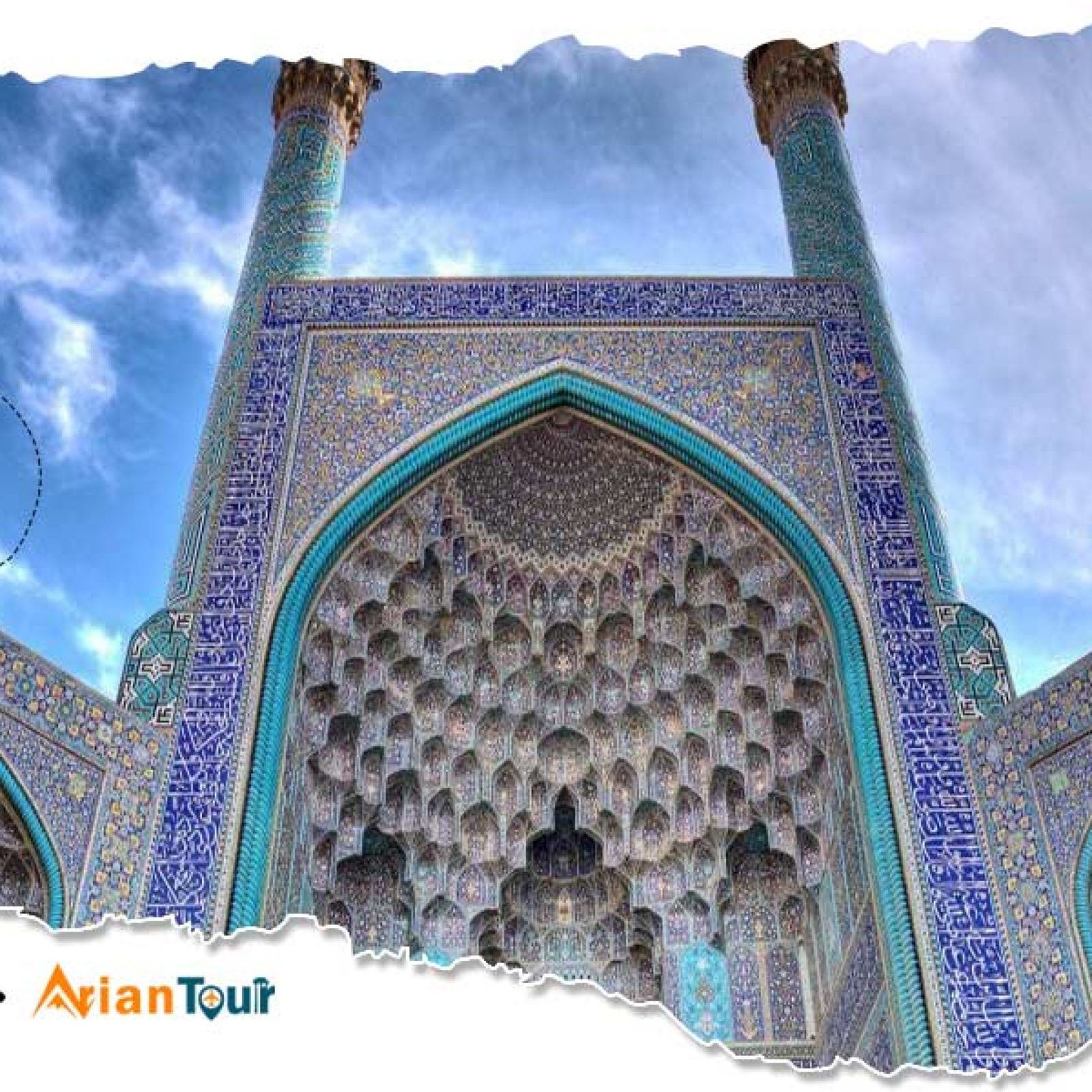
One of the largest public squares on earth, laid out by Shah Abbas I in the early 17th century, Naqsh-e Jahan is framed by the Shah (Imam) Mosque, the jewel-like Sheikh Lotfollah Mosque, the Ali Qapu palace and the entrance to the grand bazaar. Come at dusk when the tiled domes glow and families gather on the lawns — it is the beating heart of Isfahan and, many say, of Persian art itself.
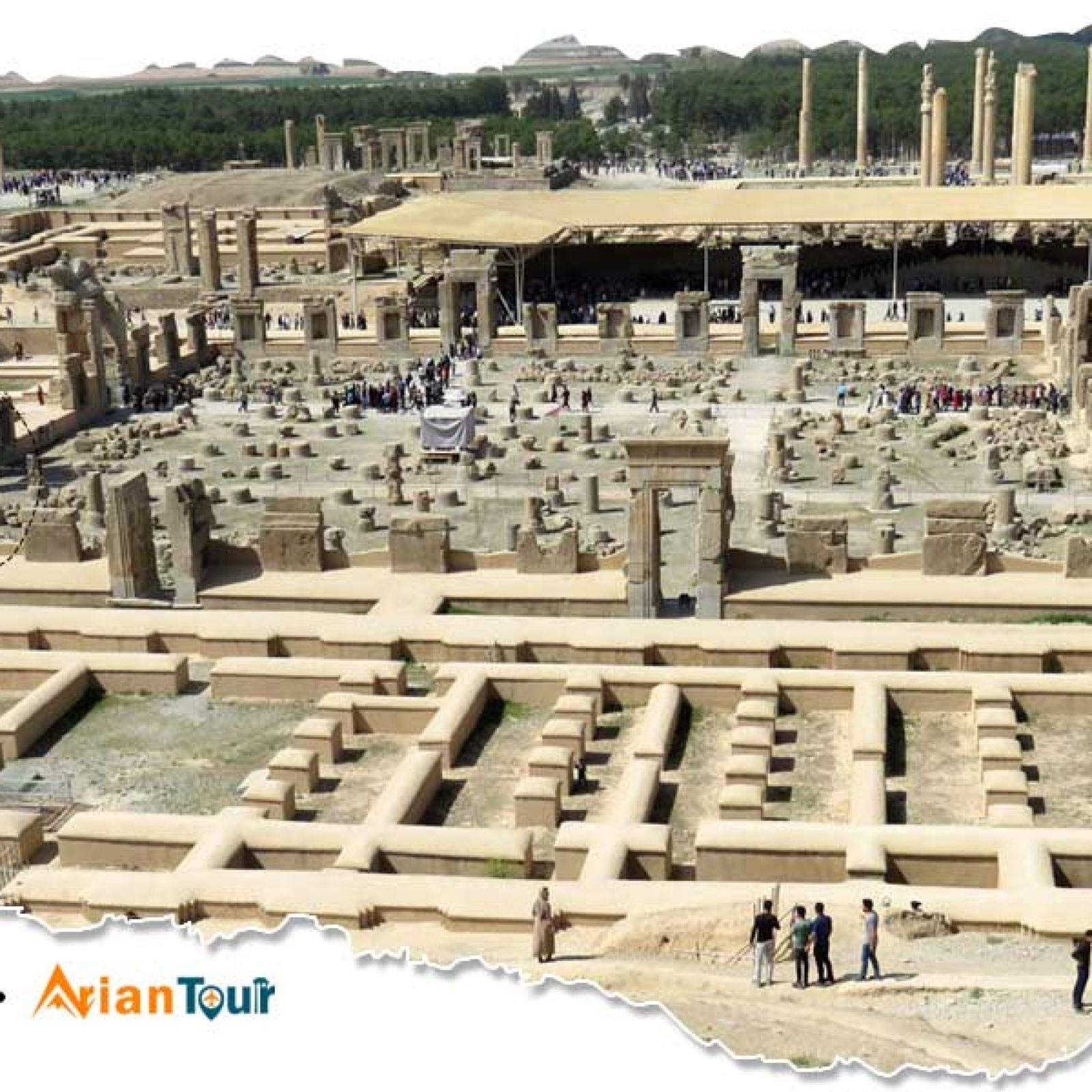
The first dynastic capital of the Achaemenids and the resting place of Cyrus the Great, Pasargadae is older and quieter than Persepolis. Its simple, dignified stone tomb — set on a wide, windswept plain — is deeply moving, and the site is celebrated for an early experiment in multicultural empire-building. It lies on the road between Shiraz and Isfahan, making it an easy and worthwhile stop.
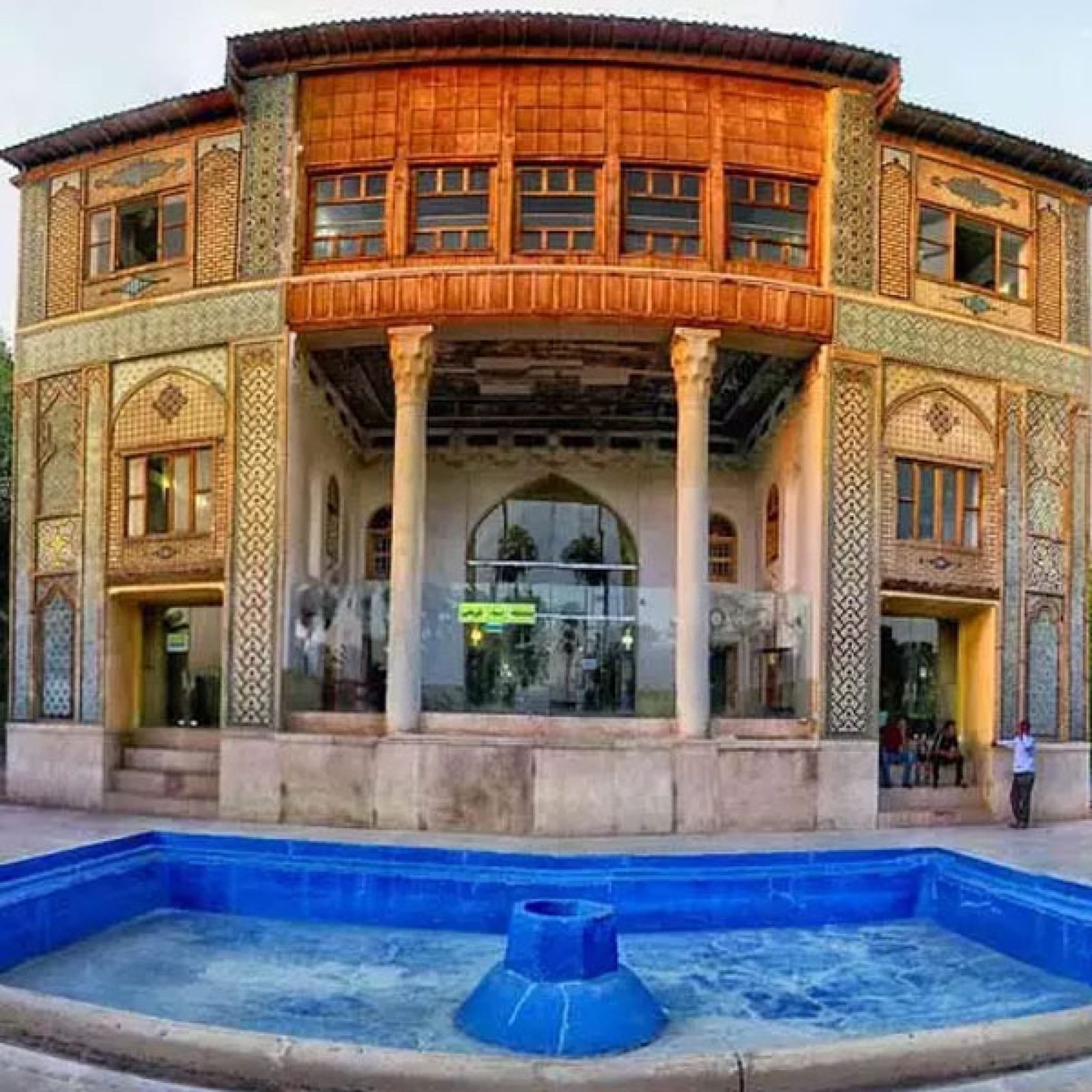
This single inscription gathers nine historic gardens across the country — among them Eram Garden in Shiraz and Fin Garden in Kashan — that together express the ancient Persian idea of paradise: four quarters divided by water, shade and symmetry. Walking these cool, fragrant enclosures is one of the most restful experiences in Iran, and a lovely counterpoint to the deserts that surround them.
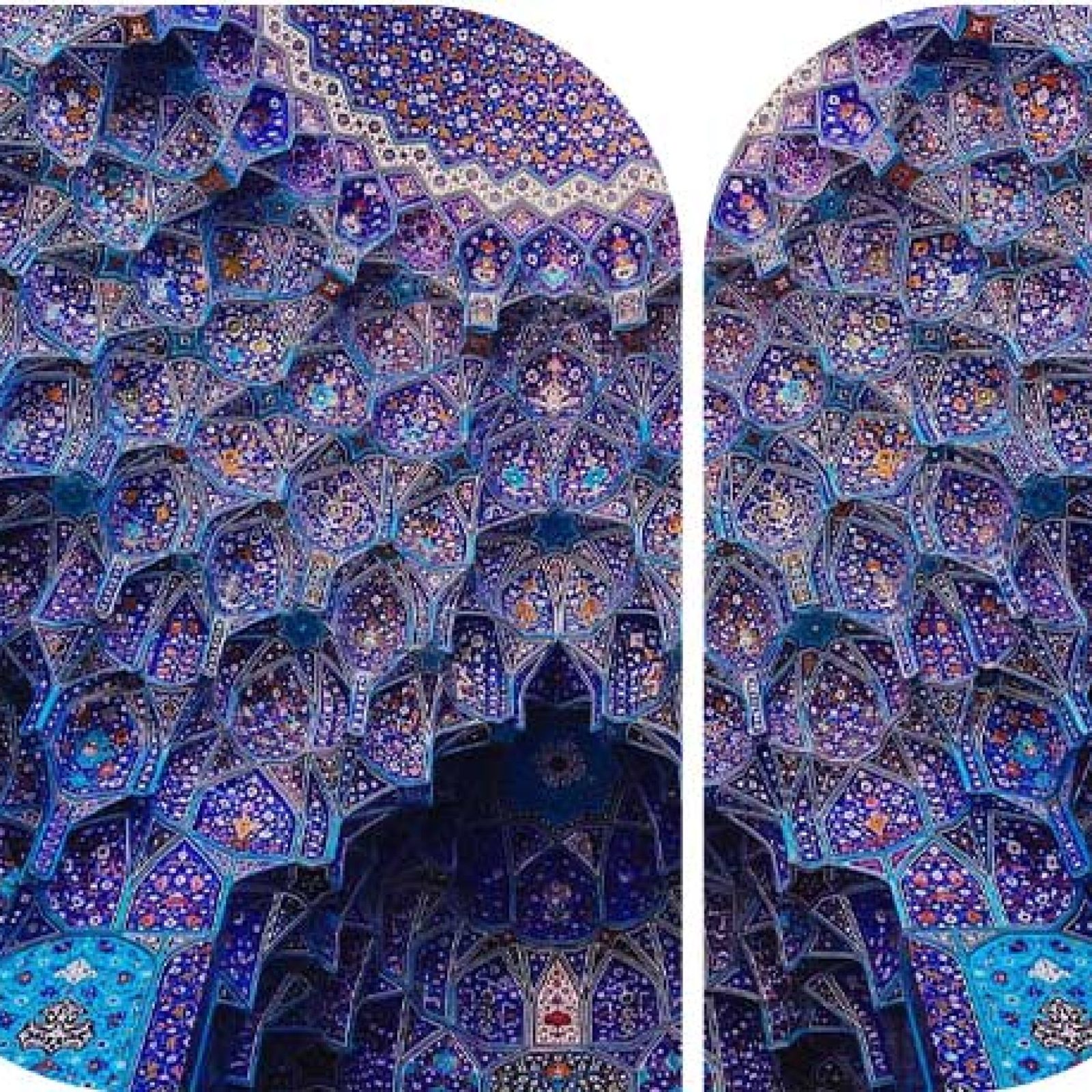
A short walk through the bazaar from Naqsh-e Jahan, the Friday Mosque of Isfahan is a living museum of twelve centuries of Iranian architecture. Wander its four great courtyards and you move through Seljuk brickwork, Mongol-era stucco and Safavid tile — a complete lesson in how the Persian mosque evolved, all in one building. It is far less crowded than its famous neighbour and rewards a slow, curious visit.
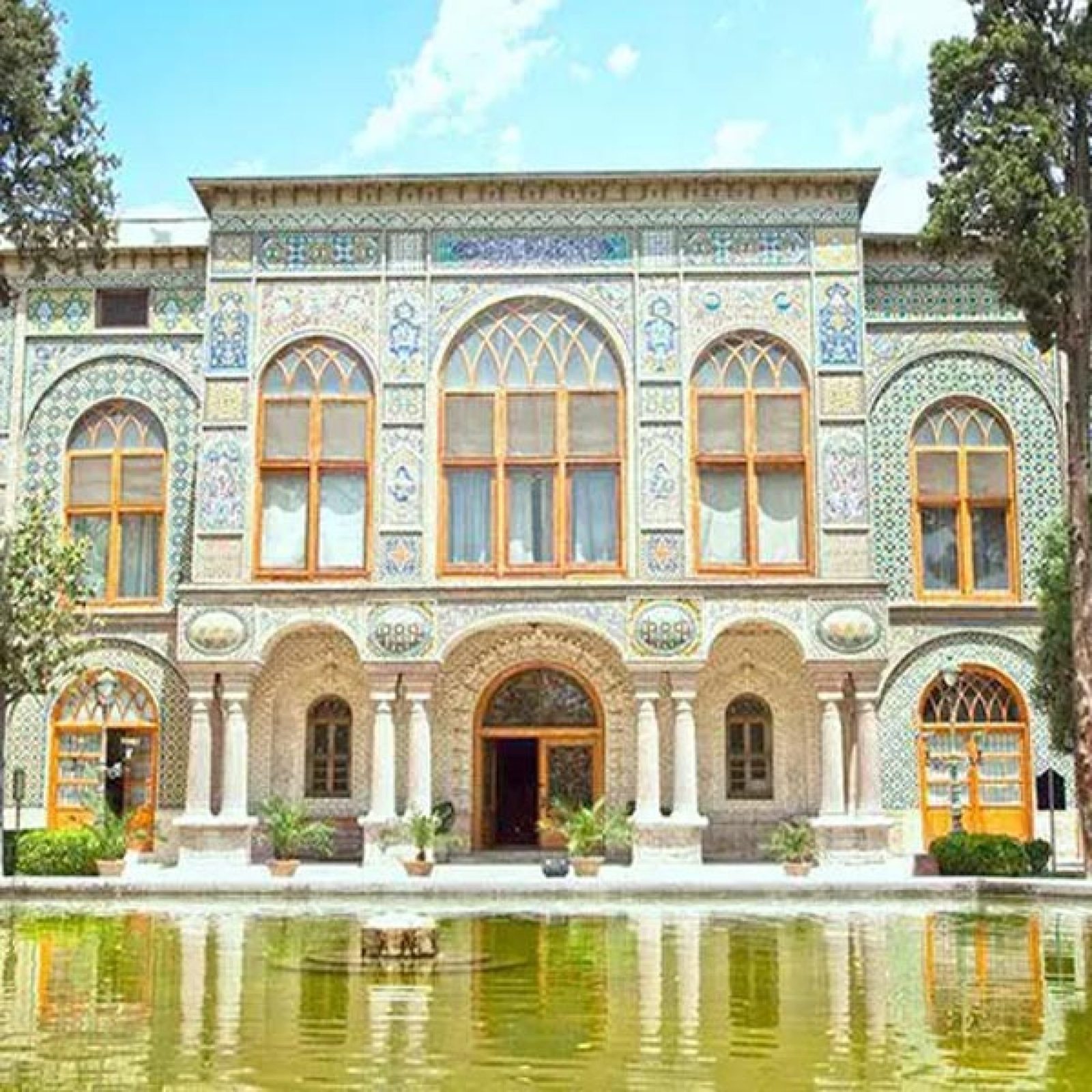
In the heart of old Tehran, the Qajar-era Golestan Palace is a dazzling blend of Persian craft and 19th-century European influence — mirrored halls, painted tilework and tranquil garden courtyards behind the city's roar. It is the perfect first or last stop on a trip, sitting beside the labyrinth of the Grand Bazaar where you can hunt for carpets, spices and handicrafts.
One of the oldest continuously inhabited cities on earth, Yazd is a masterpiece of desert living: a honeyed maze of mudbrick lanes, soaring windcatchers (badgirs) that cool homes without electricity, and an underground network of qanat water channels. As a centre of Zoroastrian heritage and a city that lives gently with its arid climate, Yazd feels unlike anywhere else and is a highlight of any cross-country route.
Seven sites, three great cities and one desert jewel — strung together, they tell the whole story of Persia.
The classic loop links Tehran, Isfahan, Yazd and Shiraz, taking in six of these seven sites with Pasargadae as a roadside bonus between Isfahan and Shiraz. Our Classic Persia tour follows exactly this thread and can be extended with deserts or the Caspian north. Spring (April–May) and autumn (October–November) bring the kindest weather; for visa, money and timing questions, see our travel FAQ. When you're ready, our local experts will shape a private, heritage-rich itinerary around your dates — just tell us what you'd love to see and we'll do the rest.
Published by Arian Tour — Iran travel specialists. Iran currently has 29 inscribed UNESCO World Heritage Sites; opening hours and access can change seasonally, and we confirm every detail when planning your trip.
 Plan Your Visit
We'll build a private, tailor-made itinerary that connects these UNESCO treasures at a pace that suits you.