
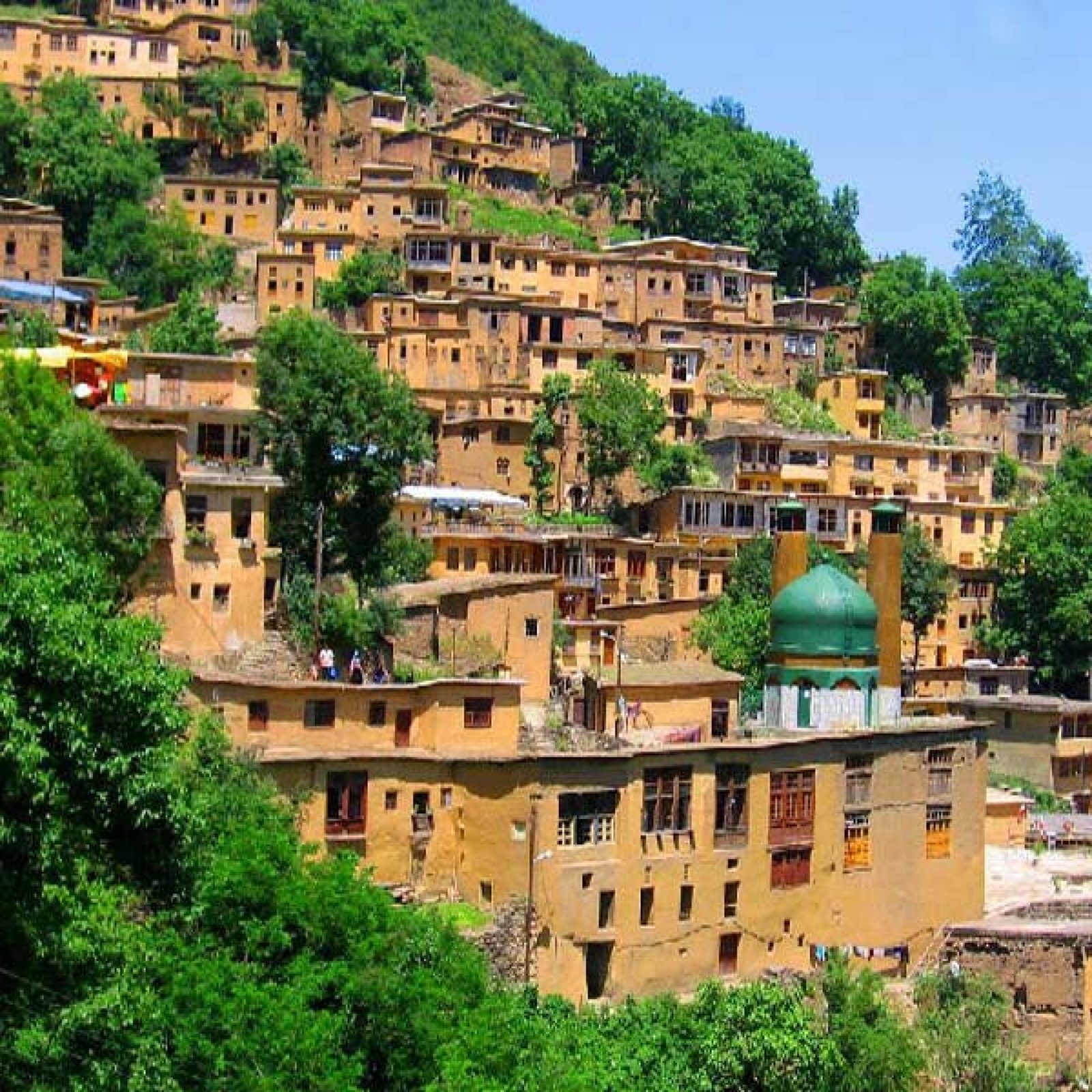
Terraced rooftops, red mud-brick lanes and homes carved from living rock — these seven villages hold some of Iran's most timeless corners.
Iran's great cities dazzle, but some of its most moving places are small: mountain hamlets where the roof of one house is the courtyard of the next, oasis settlements dug into the earth, and stone villages that have kept the same rhythm of life for centuries. Several are recognised by UNESCO; all reward the traveller who slows down. Here are seven traditional villages worth building a detour — or a whole journey — around. You'll find many of them threaded through our regional destinations.
Tucked into the forested Alborz foothills above the Caspian lowlands, Masuleh is Iran's most photographed village and an easy favourite. Its ochre houses climb the hillside so tightly that the roof of each home doubles as the terrace — and often the street — of the one above, so there are no cars, only stepped lanes and small balconies hung with washing and marigolds. Mist drifts through in the mornings, tea houses steam, and the whole place feels stacked out of the mountain itself. It pairs naturally with the green north of Iran and our Nature & Caspian journeys.
On the slopes of Mount Karkas, roughly between Kashan and Isfahan, Abyaneh glows a deep red — its houses built from local reddish clay, lattice-work windows and all. Often called the "red village", it is famous not only for its architecture but for its living traditions: older women still wear the village's distinctive floral headscarves and pleated skirts, and a local dialect survives here. A half-day stop en route makes a memorable contrast to the grand monuments of nearby Isfahan.
Near Tabriz, at the foot of Mount Sahand, Kandovan looks like something from a storybook: cone-shaped homes carved directly into soft volcanic rock, inhabited for around 700 years. The rock keeps interiors cool in summer and warm in winter, and families still live in these cave dwellings today. Kandovan was the first Iranian village to be named among UNESCO's Best Tourist Villages, and it makes a striking companion to the bazaars and history of Iran's northwest.
High in the Zagros along the western border, the Cultural Landscape of Hawraman — or Uramanat — was inscribed on the UNESCO World Heritage List in 2021. Its Kurdish villages tumble down impossibly steep slopes in dense, stepped rows, again with rooftops forming the courtyards above, amid dry-stone terraces and orchards worked by the semi-nomadic Hawrami people for thousands of years. Time a visit for the ancient Pir Shalyar winter festival and you'll witness days of music, dance and shared feasting.
Also in the Uraman region, Palangan spills down both banks of a rushing river on the flanks of Mount Shahu, its stone houses stair-stepped so tightly that they seem to grow from the cliff. Nicknamed the "Masuleh of Kurdistan" and, by some, a "lost paradise", it is quieter and less visited than its northern cousin — a place to sit by the water, watch village life unfold, and hear traditional Kurdish music drift down the valley.
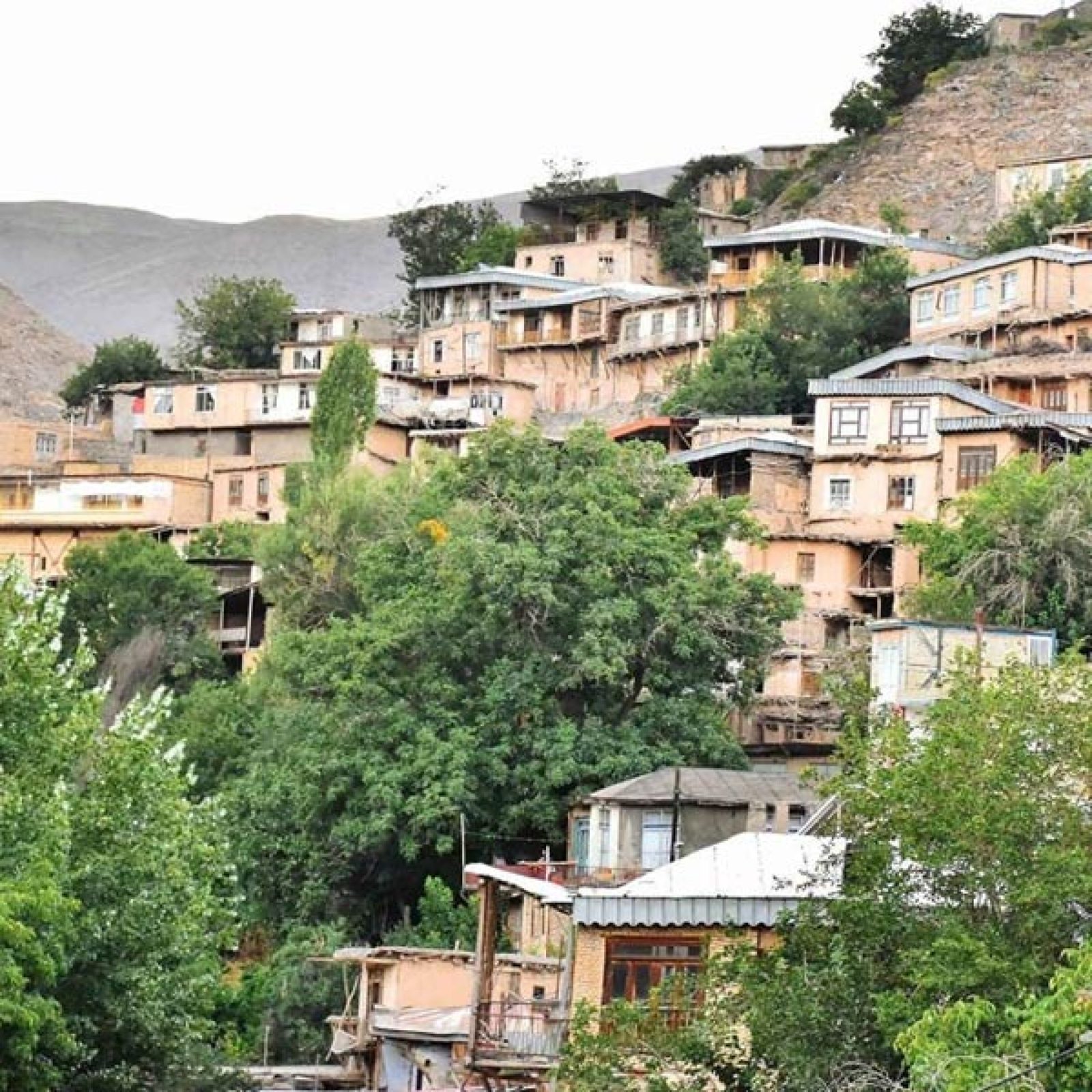
Deep in the arid southeast, Meymand is one of Iran's oldest continuously inhabited settlements — a village of troglodytes, or cave dwellers, whose homes are hand-dug into the soft rock, some rising several storeys. Its semi-nomadic residents move with the seasons between mountain pastures, orchards and these cool cave houses. Recognised as a UNESCO World Heritage cultural landscape in 2015, Meymand offers a rare, humbling glimpse of a way of life shaped over millennia. It slots well into a southern loop through Kerman and the desert on a tailor-made itinerary.
An easy trip from Mashhad, Kang clings to a steep green valley in the Binalud mountains, its flat-roofed stone houses rising in tiers so that, once more, each rooftop becomes a neighbour's yard. Terraced gardens, walnut trees and cool mountain air make it a beloved weekend escape for locals, and a gentle, authentic add-on for travellers exploring the northeast around Mashhad. Wander its lanes, share a cup of tea, and you'll see why these hillside villages endure.
Across mountains and deserts, one idea repeats: the roof of one house is the courtyard of the next — architecture that grows straight out of the land.
Most of these villages sit off the main highways and reward an unhurried pace: a night in a traditional guesthouse, an early-morning walk before the day-trippers arrive, and time to talk with the people who keep these places alive. Roads can be winding and some sites are seasonal, so a little planning goes a long way — and the crafts, food and hospitality you'll meet along the way are experiences in themselves, from carpet weaving to home-cooked regional dishes (see our craft and food experiences). For practical questions on getting around, weather and what to wear, our travel FAQ has you covered.
Dreaming of terraced rooftops and rock-cut homes? Tell us which regions call to you and we'll build a private, village-rich itinerary at your own pace: plan my trip.
Published by Arian Tour — Iran travel specialists. Access to remote villages, guesthouses and seasonal festivals can change; we confirm current conditions when planning your trip.
 Plan Your Visit
We'll craft a private, tailor-made journey that weaves these traditional villages into your route — at an unhurried, local pace.