
Mirror halls that glitter like frost, ceilings painted with hunting scenes, and cool garden courts fed by fountains — Iran's royal palaces are where Persian art turned domestic and dazzling.
For centuries the Persian court was a patron of the arts on a lavish scale, and nowhere is that clearer than in the palaces its kings left behind. From Safavid pavilions poised over reflecting pools in Isfahan to the mirror-encrusted reception halls of Qajar Tehran and the last modern residence of the Pahlavi era, these buildings trace 400 years of taste, power and craftsmanship. Many now open their doors as museums, their gardens as public parks — so you can walk the same terraces where shahs received ambassadors and step into rooms glittering with mirror-work, tile and painted plaster. Here are seven of Iran's most magnificent historic palaces and what makes each one worth your time.
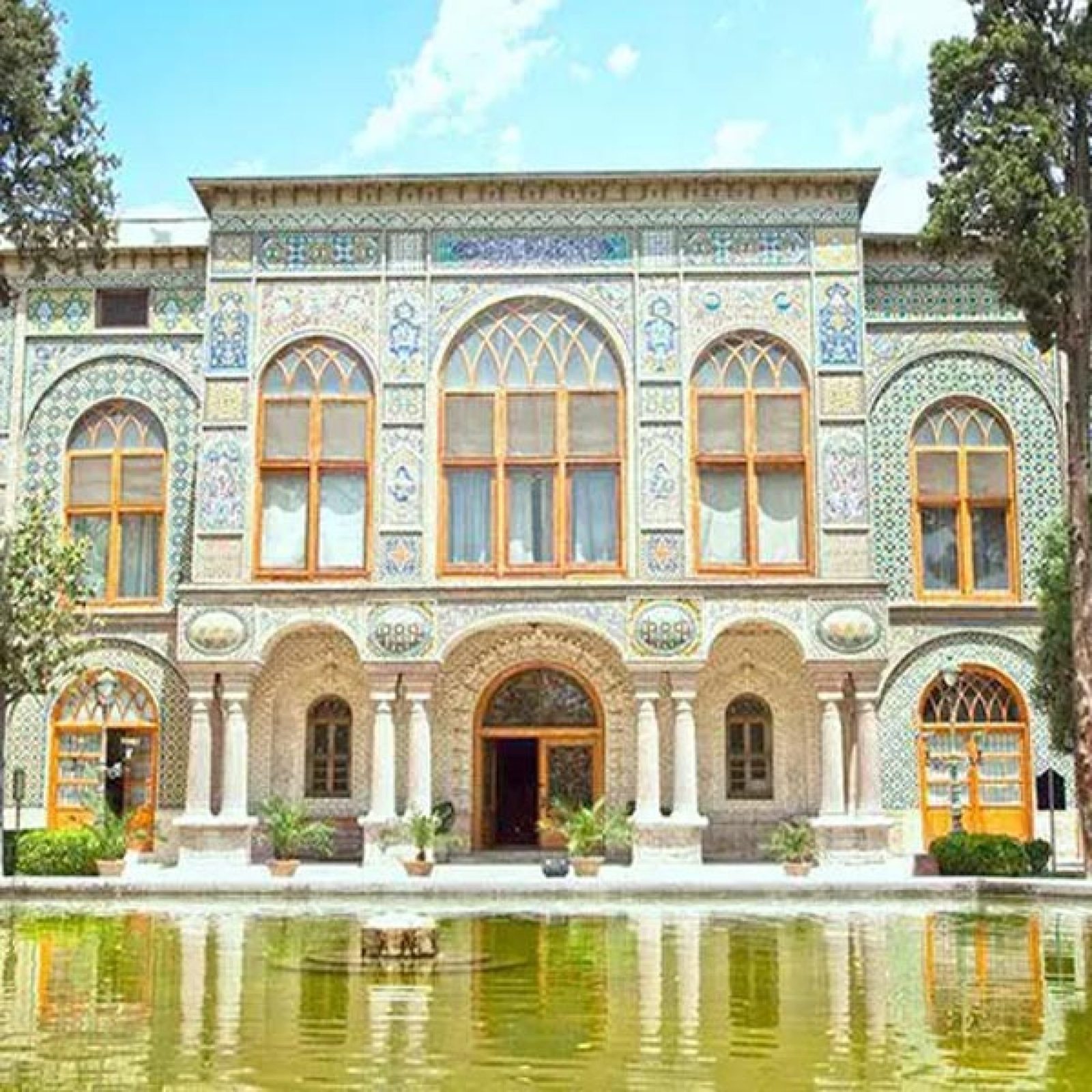
The oldest of the capital's monuments and a UNESCO World Heritage Site, Golestan was the seat of the Qajar dynasty and the ceremonial heart of royal Tehran. Behind its garden walls you'll find a run of jewel-box interiors: the Hall of Mirrors, the marble-throne terrace where kings were crowned, and rooms lined with the painted tiles, murals and European-influenced ornament that defined nineteenth-century Persian taste. It is the single best introduction to the Qajar age and an easy highlight of any first day in Tehran, folded naturally into our Classic Persia journey.
Set in a formal garden a short walk from Isfahan's great square, Chehel Sotoun — "Forty Columns" — takes its name from the twenty slender wooden pillars of its verandah, which double to forty in the mirror of the long reflecting pool before them. Built by Shah Abbas II in the seventeenth century as a pavilion for receptions and banquets, its great hall is covered in vast frescoes of Safavid court life, battles and feasts, while mirror and glass fragments catch the light overhead. It's one of the loveliest survivors of Isfahan's golden age and a fixture of any visit to Isfahan.
Rising six storeys over the western side of Naqsh-e Jahan Square, Ali Qapu was the grand gateway and residence of the Safavid shahs, built around the turn of the seventeenth century. Climb to its famous elevated terrace, or talar, and you look out across one of the largest historic squares on earth toward the domes of the royal mosques. The real surprise waits at the top: a music room whose plaster ceiling is cut into the shapes of vases and instruments, both a work of acoustic engineering and one of the most photographed interiors in Isfahan. It sits at the centre of our architecture and craft experiences.
Its name means "Eight Paradises," and this airy garden pavilion — built in the 1660s for the Safavid court — was designed as a pleasure palace rather than a place of state. Eight chambers wrap a soaring central hall crowned by a decorated cupola, and open verandahs on every side blur the line between building and garden. Restored tilework, muqarnas vaulting and the surrounding trees and pools make it a serene, shaded stop away from the crowds, and a reminder that Persian architects treated the garden itself as part of the design. You'll find it on quieter routes through Isfahan.
Spread across a wooded hillside estate in the cool northern suburb of Shemiran, Sa'dabad is less a single building than a park of more than a dozen palaces and mansions built by the Qajar and Pahlavi rulers. Shaded avenues link museums of art, royal cars and fine ceramics, with the grand White Palace and Green Palace among the highlights. On a hot day the leafy grounds are a pleasure in themselves, and the complex gives a vivid sense of how Iran's last dynasty lived. It pairs well with the mountain scenery on the edge of Tehran and our tailor-made private itineraries.
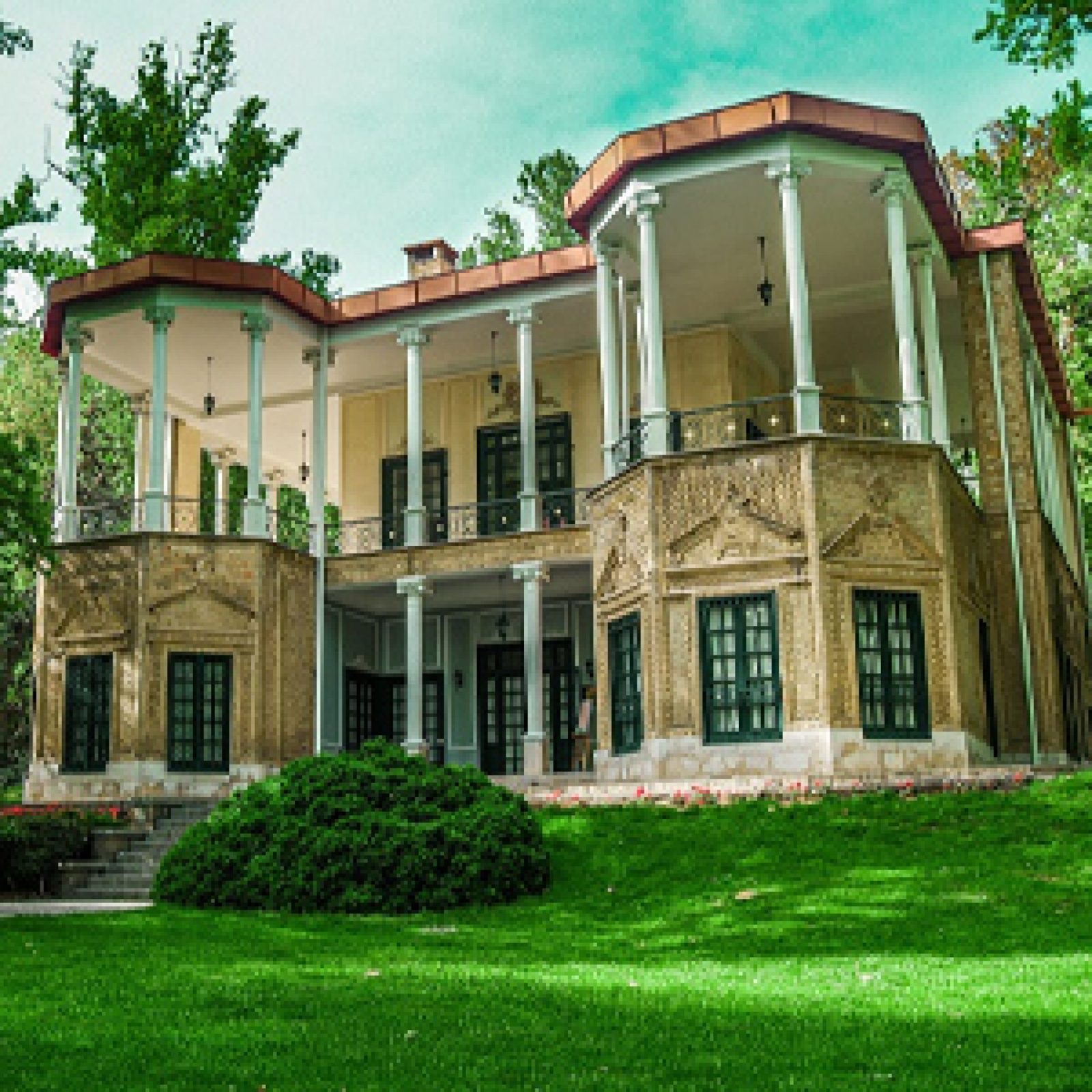
Iran's last royal residence, the Niavaran complex was completed in the 1960s as the home of the final shah and his family, and stepping inside is like walking into a preserved moment in time. The main pavilion blends mid-century modern design with Persian motifs, and its rooms remain furnished much as they were left — libraries, private cinema and all — alongside older Qajar buildings in the same green grounds. For anyone curious about twentieth-century Iran it is quietly fascinating, and its cool Tehran gardens make an easy, atmospheric afternoon.
Anchoring the old centre of Shiraz, this Zand-era citadel was built in the 1760s as the royal residence and seat of Karim Khan, the ruler who made Shiraz his capital. Its high brick walls and one famously leaning corner tower enclose a peaceful courtyard of citrus trees and a pool, with private apartments decorated in painted plaster and tile. Compact and easy to explore, it sits within strolling distance of the Vakil Bazaar and mosque, making it a natural anchor for the Zand-era quarter on our Food & Bazaars route.
To wander a Persian palace is to see how the same genius that raised the great mosques turned inward — into rooms made for light, water, music and the pleasures of the garden.
Most of these palaces are ticketed museums with set opening hours, and several — Golestan and Sa'dabad especially — sell separate tickets for each interior, so allow more time (and budget) than you'd expect. Mornings are cooler and quieter, photography is usually fine without flash, and modest dress applies as it does everywhere in Iran. Some rooms limit numbers or close for restoration, so it's worth confirming access before you go; for general guidance on tickets, dress and timing, see our travel FAQ. A local guide brings the painted walls and court intrigues genuinely to life.
Ready to walk through Persia's royal past for yourself? Tell us your dates and our local experts will weave the palaces, gardens and monuments you most want to see into a private, tailor-made itinerary — just plan your trip with us.
Published by Arian Tour — Iran travel specialists. Opening hours, ticketing and access to individual palace interiors can change; we confirm everything when planning your trip.
 Plan Your Visit
We'll build a private, tailor-made itinerary around the architecture, gardens and history you most want to discover.