
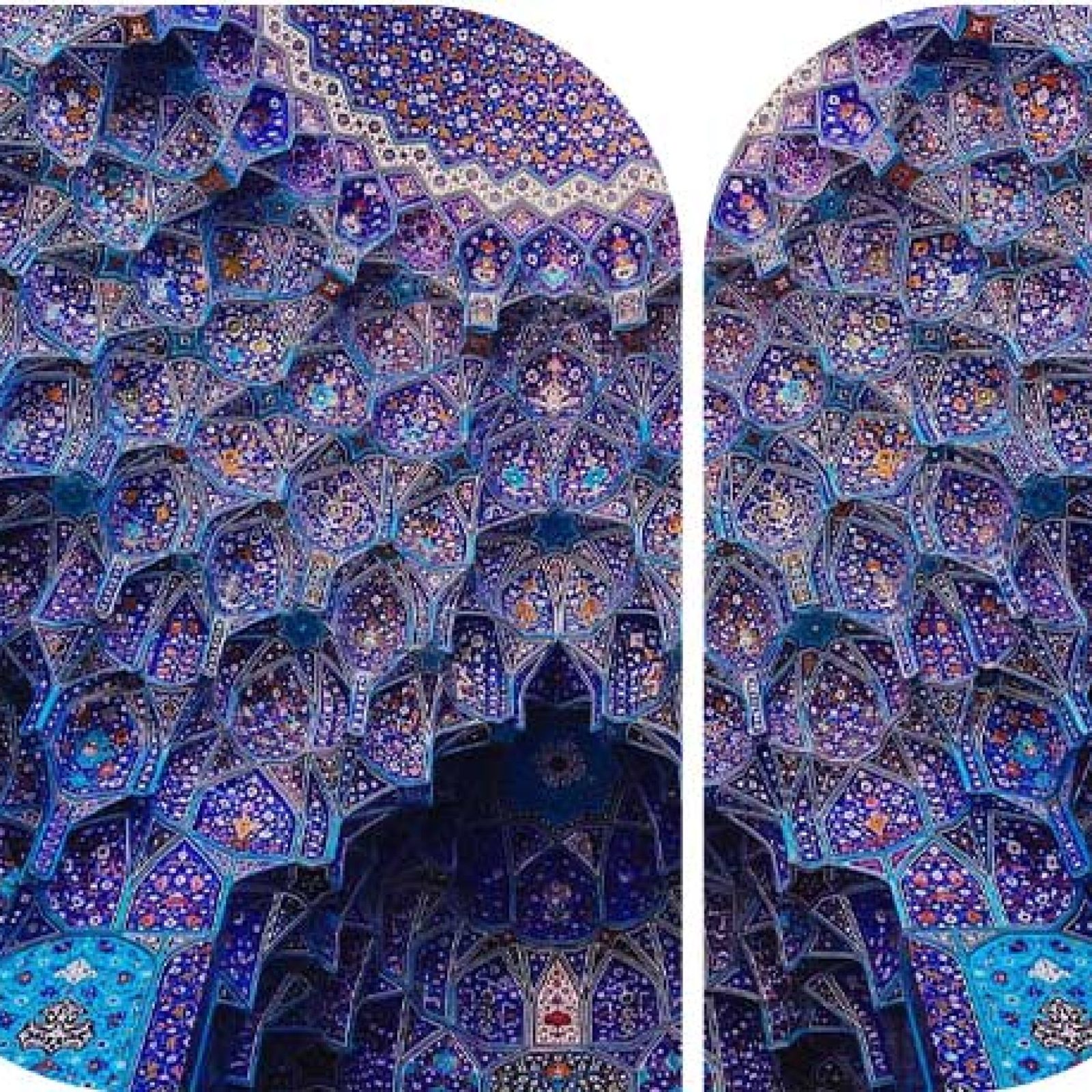
Crown jewels and Achaemenid stonework, silk carpets and Safavid miniatures, Warhol beside Persian modernists — Iran's museums hold more than most travellers expect.
Iran's monuments are so extraordinary that its museums are easy to overlook — which is a shame, because they hold the pieces the monuments lost. The reliefs prised from Persepolis, the glazed bricks of Susa, the crown jewels of three dynasties, the carpets that took a decade to weave: these live indoors, in a handful of collections that are quiet, cool and frequently near-empty. An hour or two in the right museum early in a trip also changes how you read everything that follows, giving names and dates to the palaces, mosques and ruins ahead of you. Here are seven of the best, and what makes each one worth building into your itinerary.
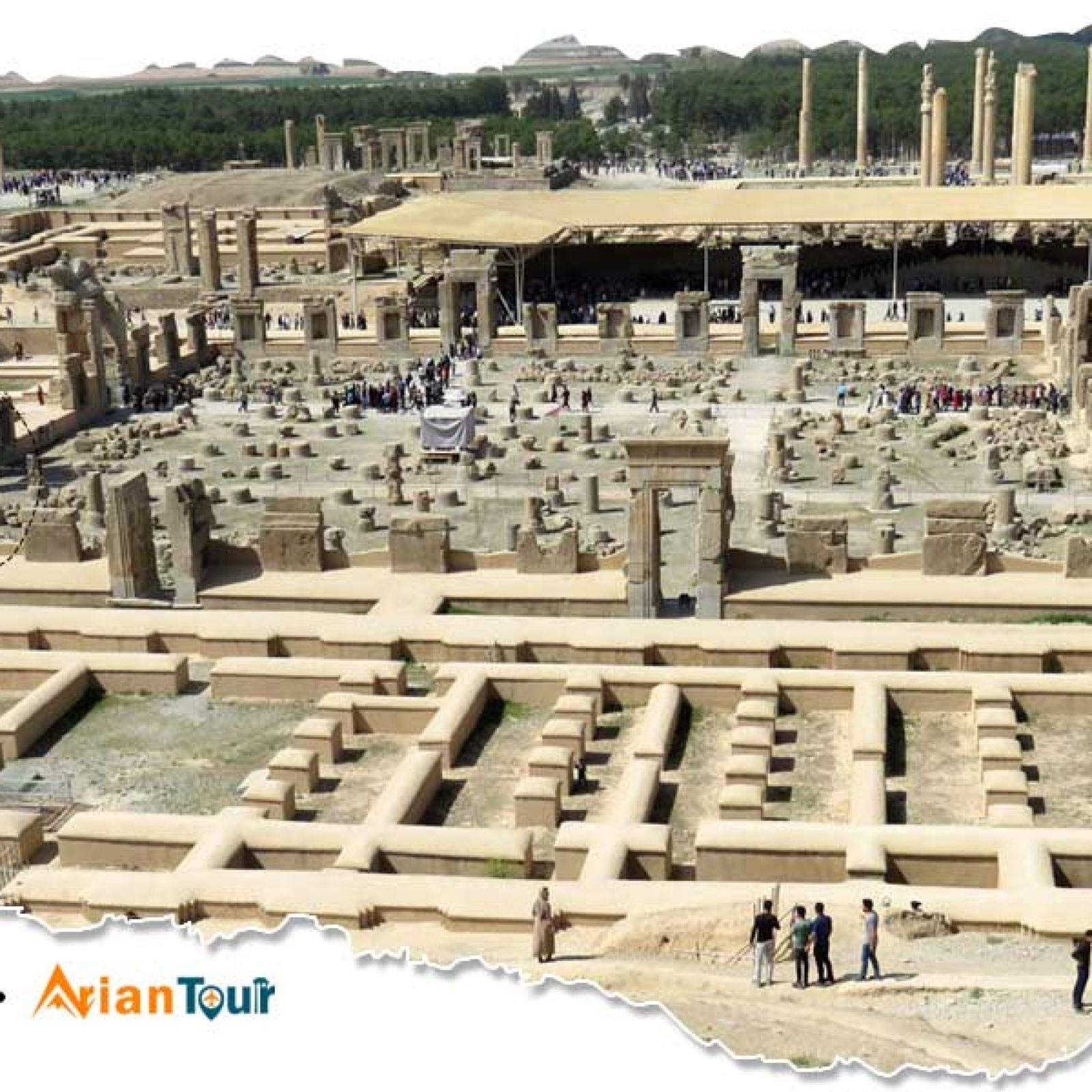
Often called the "mother museum" of the country, this is the single best place to understand Iran before you go looking at it. It occupies two adjoining buildings on 30 Tir Street: the Museum of Ancient Iran, covering everything from Paleolithic tools through Elamite, Achaemenid, Parthian and Sasanian civilisation, and the Museum of the Islamic Era next door. The headline pieces are genuinely world class — stone reliefs and column capitals carried here from Persepolis, glazed brickwork and carvings from Susa, and the famous Salt Man, a naturally mummified miner whose hair and leather boot survived nearly two millennia in a salt mine. Give it half a morning at the start of your time in Tehran and the rest of the country will make far more sense.
Held in a vault beneath the Central Bank on Ferdowsi Street, this is not a museum in the usual sense so much as a strongroom you are allowed to walk through. The collection gathers the accumulated regalia of the Safavid, Afsharid, Qajar and Pahlavi courts: jewelled thrones, ceremonial swords, crowns and an emerald-and-ruby globe of the world made from thousands of stones, along with some of the largest cut diamonds and spinels anywhere. Opening times are limited and security is strict — bags and cameras are left at the entrance — so it pays to plan this one around a fixed slot rather than hoping to drop in. Nothing else in Iran conveys quite so bluntly what royal wealth once meant.
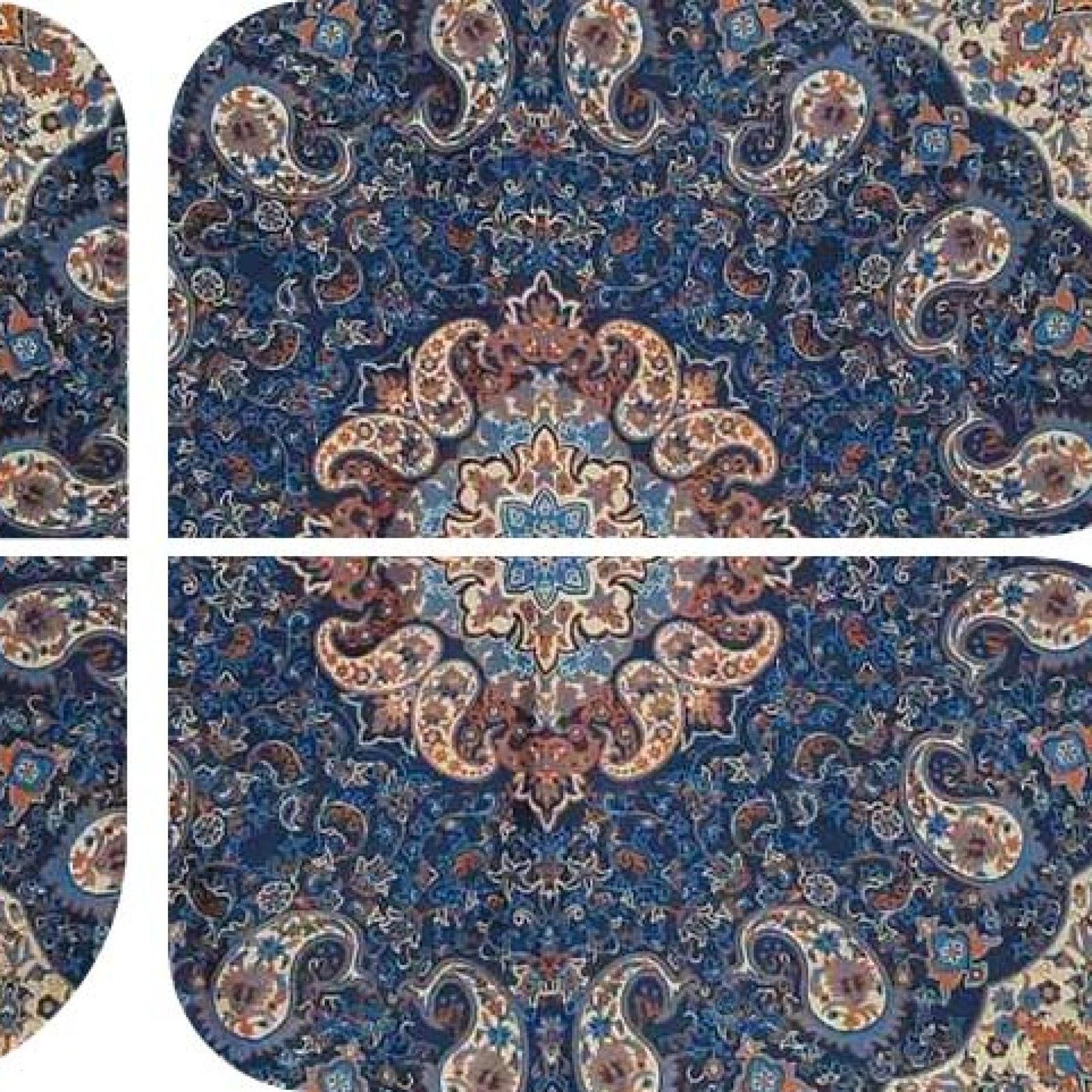
Beside Laleh Park, in a building whose concrete façade is designed to echo a carpet loom, this museum traces Persian weaving across several centuries and every major region — Tabriz, Kashan, Kerman, Isfahan, Qashqai and Baluch tribal work among them. Seen together and lit properly, the differences in knot density, palette and motif that a bazaar visit only hints at become obvious, from formal medallion designs to hunting scenes and garden plans woven in silk. It is the ideal preparation for shopping later, and pairs naturally with our craft-focused experiences and a wander through the bazaars.
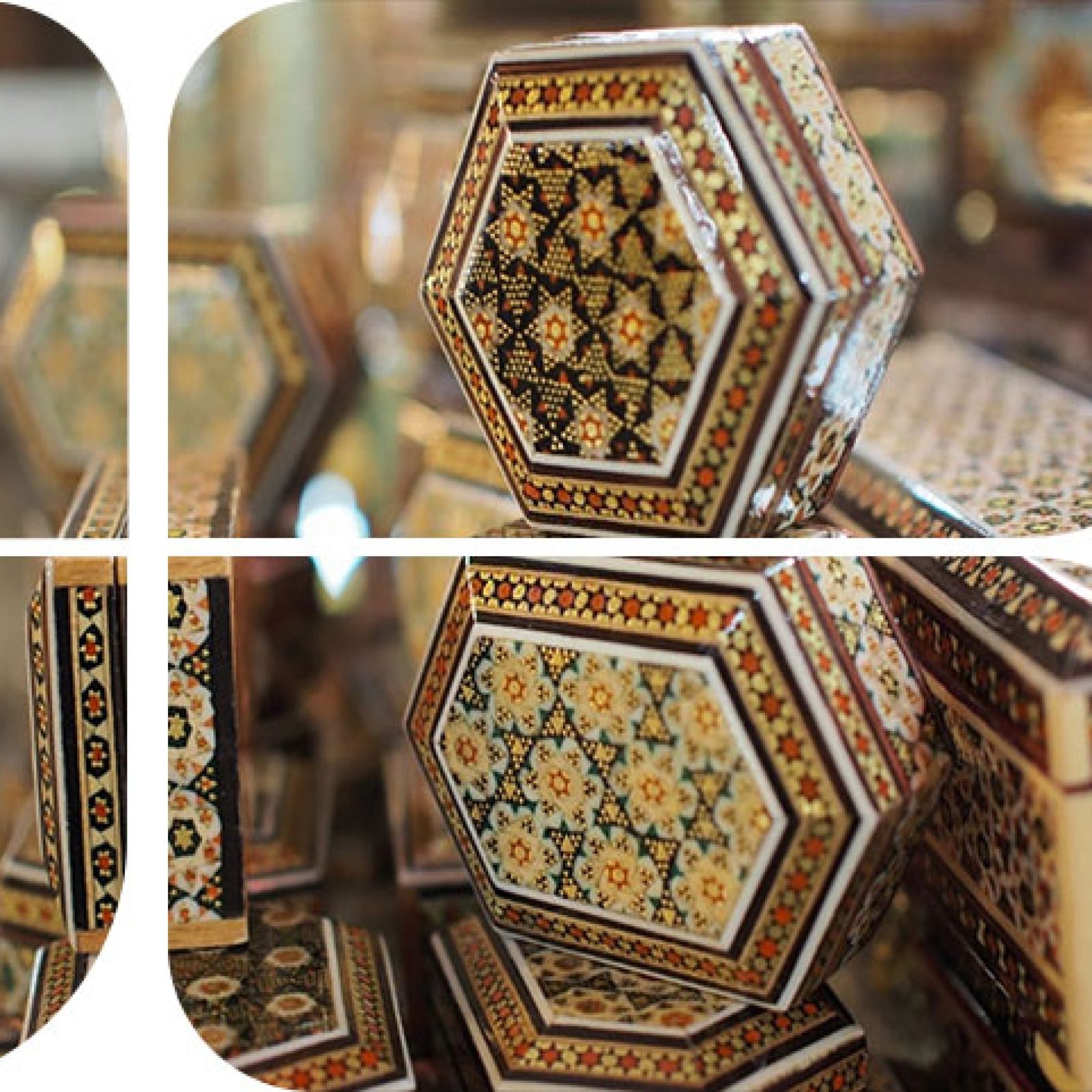
Named for the great Safavid painter, this compact museum on Seyed Khandan is arranged with unusual clarity: you begin with pre-Islamic pottery, bronzes and jewellery, then move up through Islamic-era metalwork, ceramics and textiles, and finish among painting, calligraphy and illuminated manuscripts. The miniature paintings and lacquerwork are the reason to come — small, intensely detailed pieces best appreciated slowly and in the quiet you will usually find here. It is a satisfying counterpoint to the National Museum's scale, and rarely takes more than ninety minutes.
Opened in 1977 on the edge of Laleh Park, TMoCA is a landmark in its own right: a low, curving building whose skylights borrow the form of traditional Persian windcatchers, with galleries spiralling gently downward around a central well. Its holdings of Western modern art — assembled in the years before the revolution and rotated in changing exhibitions rather than shown all at once — are among the most significant outside Europe and North America, and they hang alongside major Iranian modernists such as Parviz Tanavoli and Sohrab Sepehri. Check what is currently on display before you go, and treat the sculpture garden as part of the visit.
In the Armenian quarter of New Julfa, this privately founded museum displays hundreds of Iranian instruments — tar, setar, santur, kamancheh, ney and the regional variations that go with them — alongside instruments from around the world. What lifts it well beyond a display of objects is the short live performance included with entry, played by young musicians on the instruments you have just been looking at, and the workshop rooms explaining how they are made. It is one of the warmest hours you can spend in Isfahan, and an easy, low-effort afternoon after a morning on Naqsh-e Jahan Square.
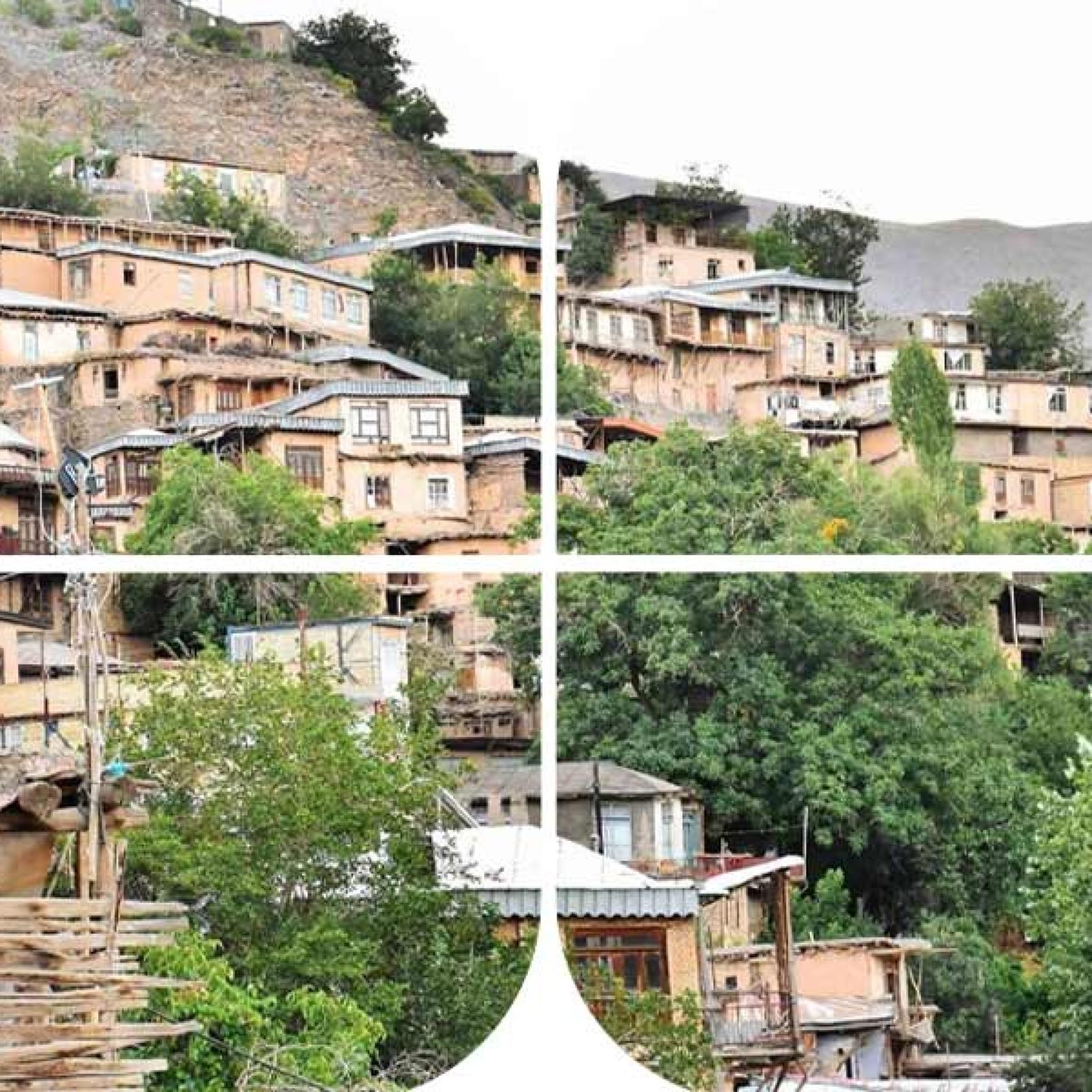
Within the vast shrine complex at the heart of Mashhad sits a cluster of museums holding centuries of gifts, endowments and treasures given to the shrine: illuminated Qurans and rare manuscripts, carpets of astonishing fineness, coins, stamps, astronomical instruments and the original doors and inscriptions replaced during successive rebuildings. The library's manuscript collection is one of the most important in the Islamic world. Visitors of all faiths are welcome in the museums, though modest dress is required throughout the complex and a female visitor will need a chador, which is lent at the entrance.
Iran's museums are where the fragments live — the reliefs, the jewels, the knotted silk — and seeing them first makes the country outside legible.
A few habits make these visits far smoother. Most Iranian museums close one day a week and shorten their hours on Fridays and public holidays, so confirm the day before rather than the morning of. Foreign-visitor tickets are priced separately from local ones and are still modest by international standards, but many ticket desks do not accept foreign cards — see our notes on money and cards in Iran and carry cash. Photography rules vary widely: freely allowed in some galleries, banned outright in the Treasury of National Jewels. And go early. Doors open around nine and the first hour is almost always the quietest and best-lit.
Museums also make excellent insurance against weather — a place to spend the hottest hours of a summer afternoon or a rainy winter morning without losing a day. We build them into our Classic Persia itineraries deliberately, usually at the start, and can arrange a private guide or curator-led visit where it adds something. Tell us what draws you — ancient history, textiles, painting, music — and we will shape the route around it: plan my trip.
Published by Arian Tour — Iran travel specialists. Museum opening hours, closing days, ticket prices and exhibition schedules change; we confirm the details when planning your trip.
 Plan Your Visit
We'll build a private, tailor-made itinerary that puts Iran's finest collections in the right order — and the right hour.