
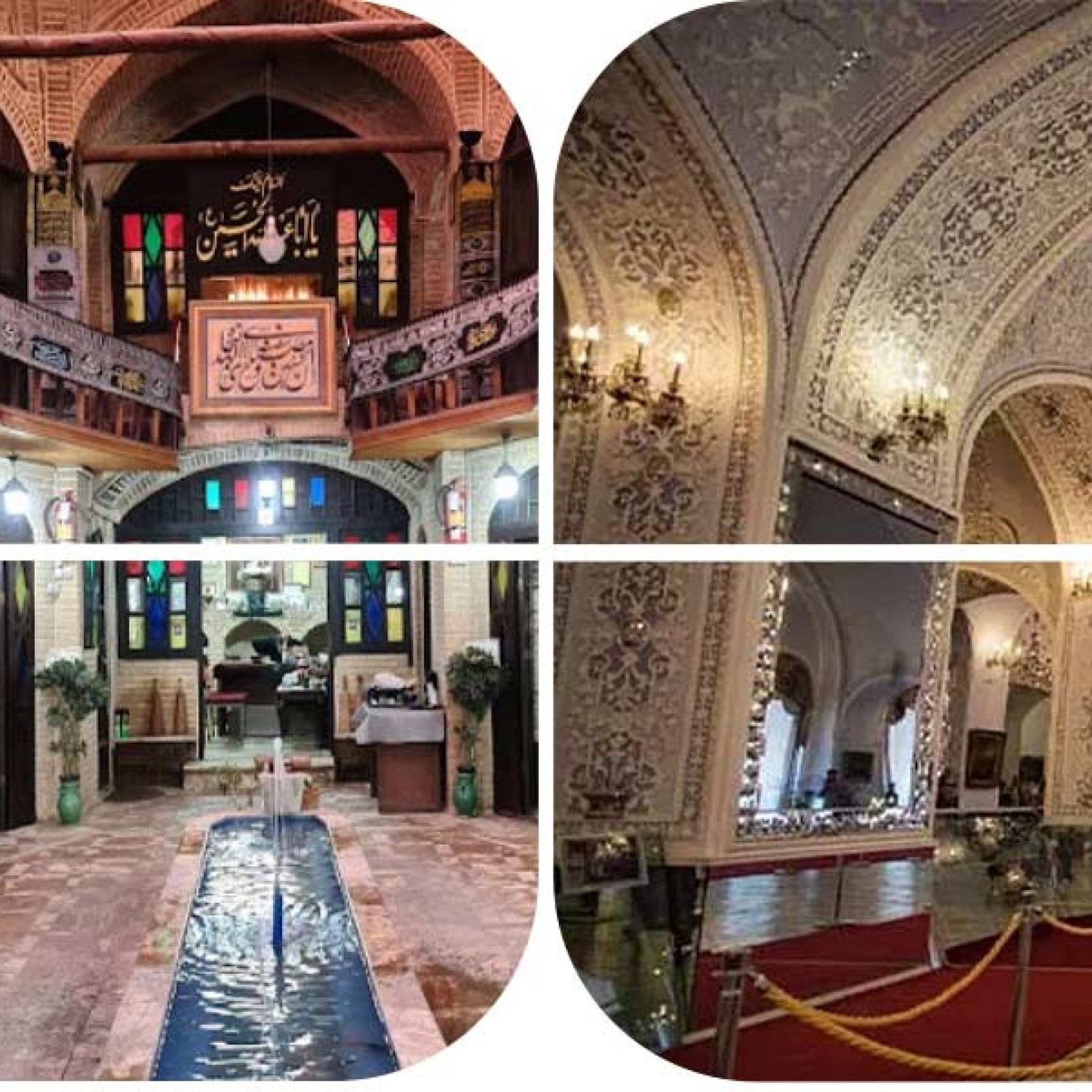
Iran's capital rewards those who linger — Qajar palaces and museum treasures downtown, and cool Alborz foothills with teahouses at the city's northern edge.
Most travellers treat Tehran as a gateway — a night on arrival, a night before flying home. Give it four days instead and Iran's capital reveals itself as one of the country's most rewarding city breaks: royal palaces from two dynasties, some of the Middle East's finest museums, a bazaar that feels like a city within the city, and — always in view — the Alborz Mountains, where a taxi ride ends in walnut-shaded valleys and riverside teahouses. This day-by-day itinerary links the highlights at an unhurried pace, and it slots neatly onto the front of any longer journey through our Tehran destination pages.
Settle in, then start where royal Tehran began. Golestan Palace, a UNESCO World Heritage Site, was the seat of the Qajar dynasty, and its mirrored halls, marble throne veranda and garden courtyards glitter with nineteenth-century opulence. Allow a leisurely morning; the tilework alone — roses, peacocks and European landscapes rendered in glazed ceramic — deserves slow looking.
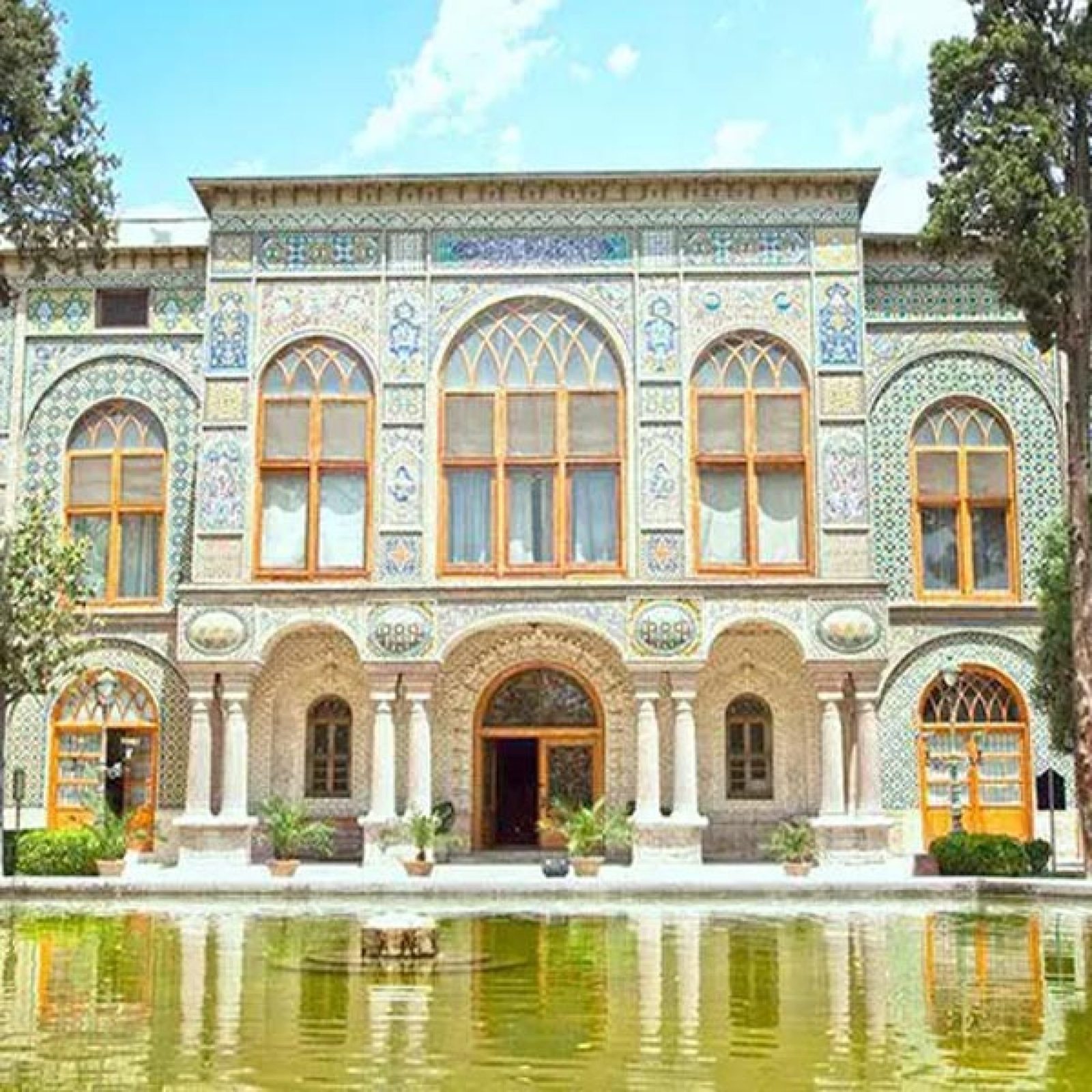
From the palace gates it is a short stroll into the Grand Bazaar, Tehran's commercial heart for centuries. Its covered lanes run for many kilometres, splitting into corridors of carpets, spices, copperware and gold. Go with time rather than a shopping list: pause for saffron ice cream, watch porters thread impossible loads through the crowds, and let yourself get pleasantly lost. If the bazaar works its spell on you, our guided bazaar experiences unlock the workshops and caravanserais most visitors walk straight past.
Devote the second day to central Tehran's museums. The National Museum of Iran holds the country's deepest timeline — Persepolis reliefs, painted pottery from millennia past and finds that trace civilisation on the Iranian plateau back to its beginnings. Nearby, smaller collections reward the curious: the Glassware & Ceramics Museum in its elegant townhouse, and the celebrated jewels held in the treasury vault downtown, home to some of the most dazzling regalia on earth. Check current opening days locally, as several close one day a week.
As the afternoon cools, head for Valiasr Street, the plane-shaded avenue that runs from the railway lands in the south all the way to the mountain suburbs — often called the longest street in the Middle East. Join Tehranis for the evening ritual of café-hopping and window-shopping, and finish with a Persian dinner; hearty stews like fesenjan taste best where locals eat, something our Food & Bazaars journeys are built around.
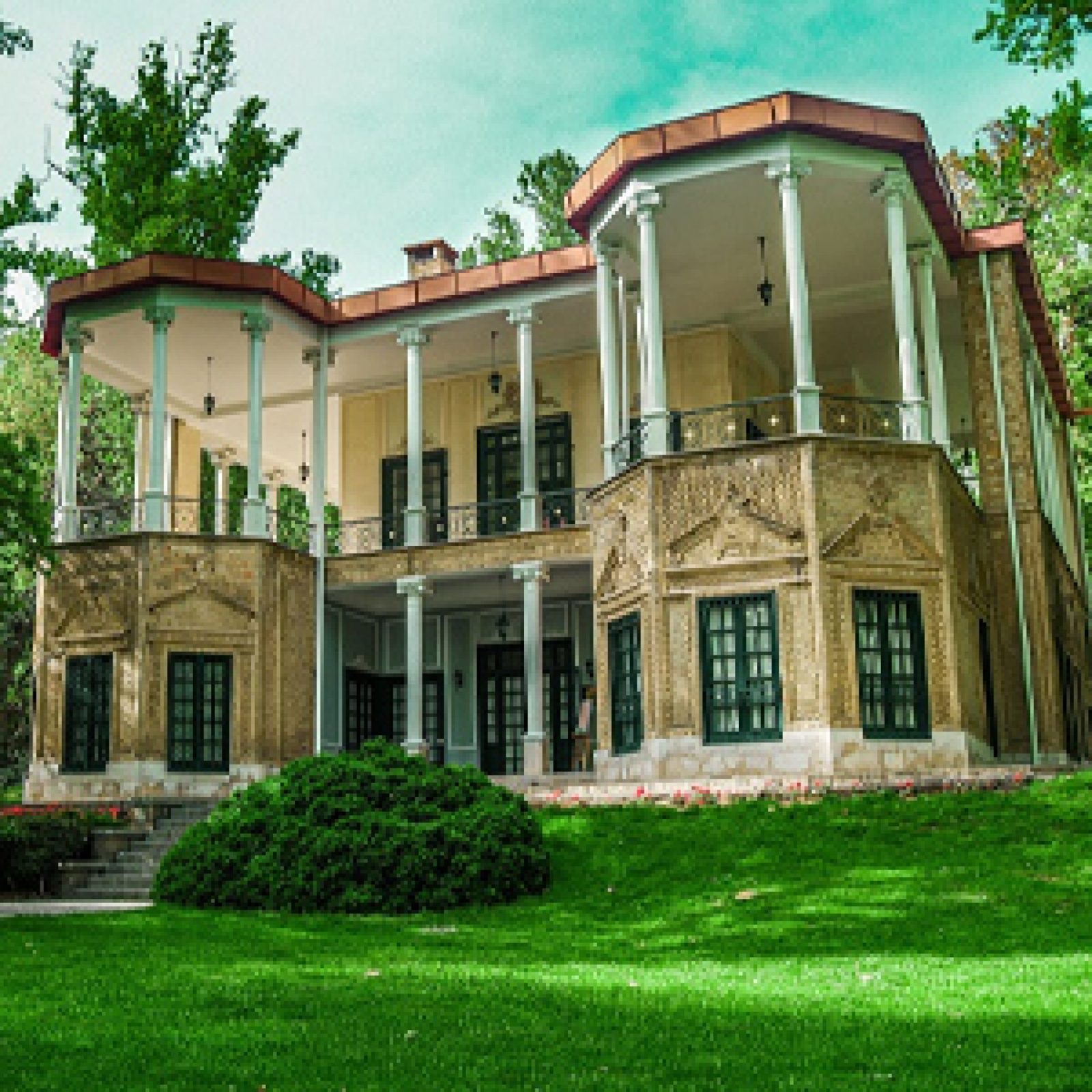
Ride the metro or a taxi north, where the city climbs into the Alborz foothills and the air freshens noticeably. In Niavaran, the last shahs' palace complex sits in a serene garden of towering plane trees — a fascinating time capsule of mid-century royal life, from private cinemas to a pavilion of gifts from world leaders. The neighbouring Saadabad complex, spread through forested grounds, makes an easy pairing.
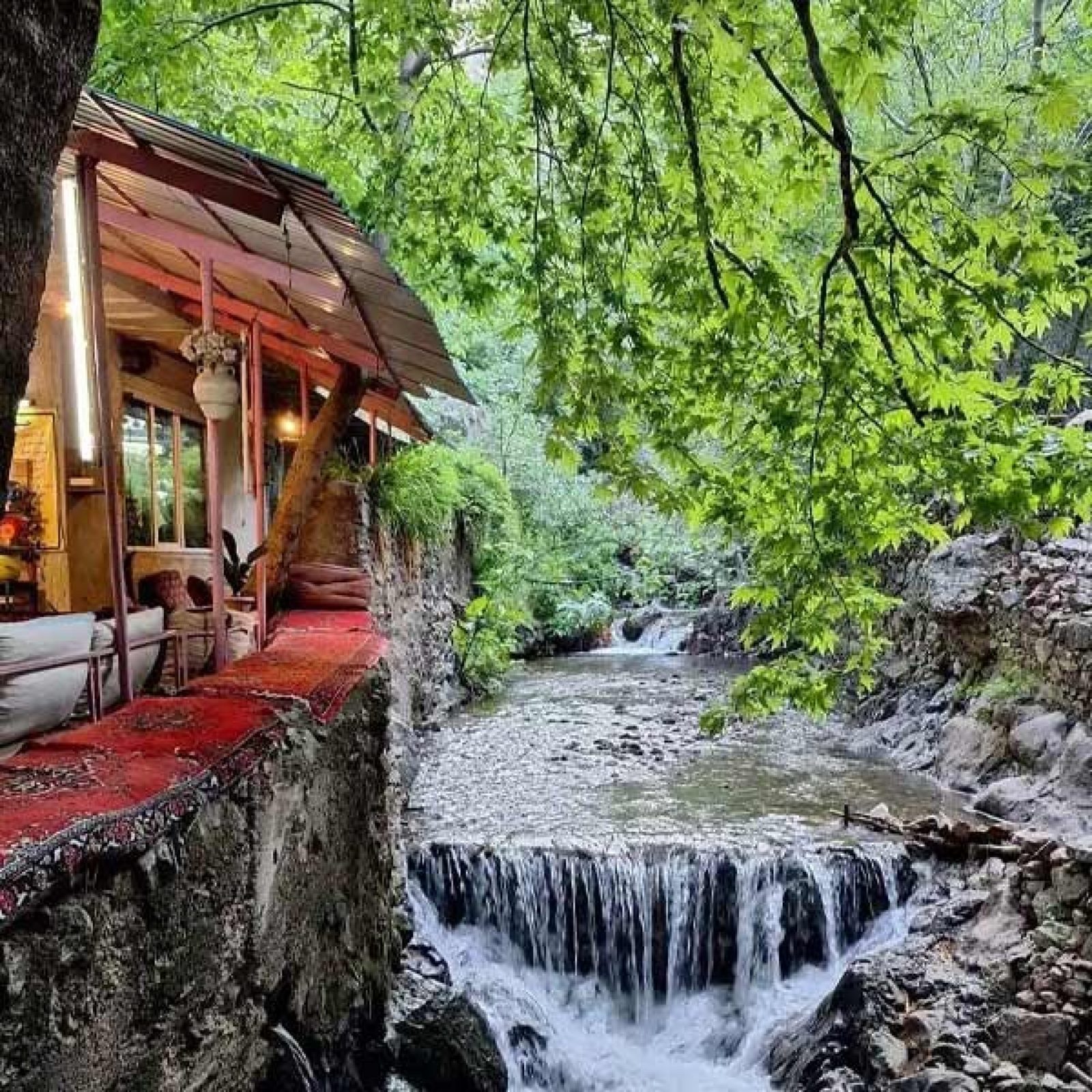
Save the evening for Darband, the mountain gateway village at Tehran's northern edge. A stream tumbles down its valley past a chain of open-air teahouses draped in carpets and fairy lights; locals come to walk, snack on simmered broad beans and dried fruit leather, and linger over tea and kebab as the city lights spread out below. It is one of Tehran's most atmospheric nights out — and a gentle taste of the hiking country that stretches above it.
Spend your final morning the way north Tehranis do: among the trees. Mellat Park is one of the city's green lungs, all shaded walkways and fountains, and nearby the striking modern Tabiat Bridge — a multi-level pedestrian span linking two parks over the highway — has become the city's favourite promenade, with mountain views along its walkways. It is an easy, restorative morning before a flight, or before the road south.
If time allows, circle back for last-minute treasures: miniature-painted khatamkari boxes, woven termeh cloth and saffron travel well, and make far better souvenirs than anything from the airport. Then continue onwards — most of our guests roll these four days straight into a Classic Persia route to Isfahan, Yazd and Shiraz.
Tehran is a year-round city, though spring and autumn are the sweetest seasons; in summer, do as this itinerary does and drift north to the foothills in the afternoons. Traffic is real — the clean, cheap metro is often the fastest way across town. Dress modestly, carry cash for small purchases, and expect warm curiosity from Tehranis at every turn. Visa help, money matters and packing advice are covered in our travel FAQ.
Four days is enough to fall for Tehran — and exactly the right springboard for the rest of Iran. Tell us your dates and we will shape this itinerary around you, with guides, drivers and hotels arranged end to end: plan my trip.
Published by Arian Tour — Iran travel specialists. Opening days, access and local conditions can change; we confirm every detail when planning your trip.
 Plan Your Visit
Private guides, seamless transfers and the city's best tables — four days in the capital, tailored to you.