
Tehran, Kashan, Isfahan, Yazd and Shiraz — five cities, three UNESCO-listed wonders, and just enough time to slow down.
Ten days is the sweet spot for a first visit to Iran. It is long enough to travel the country's classic cultural corridor — the desert-edge line of cities that runs south from Tehran through Kashan, Isfahan and Yazd to Shiraz — without turning the trip into a blur of check-ins and coach seats. Below is a sample itinerary we build and rebuild constantly for travellers, with the pacing we actually recommend rather than the maximum number of sites that can technically be squeezed into a day.
Most international flights land at Imam Khomeini airport late at night or early in the morning, so day one is deliberately gentle: transfer, sleep, and a first walk once you surface. If you have energy left, ride north to Darband or Tochal, where the city climbs into the Alborz foothills and teahouses line a mountain stream — the quickest way to understand that Tehran is a mountain city as much as a metropolis.
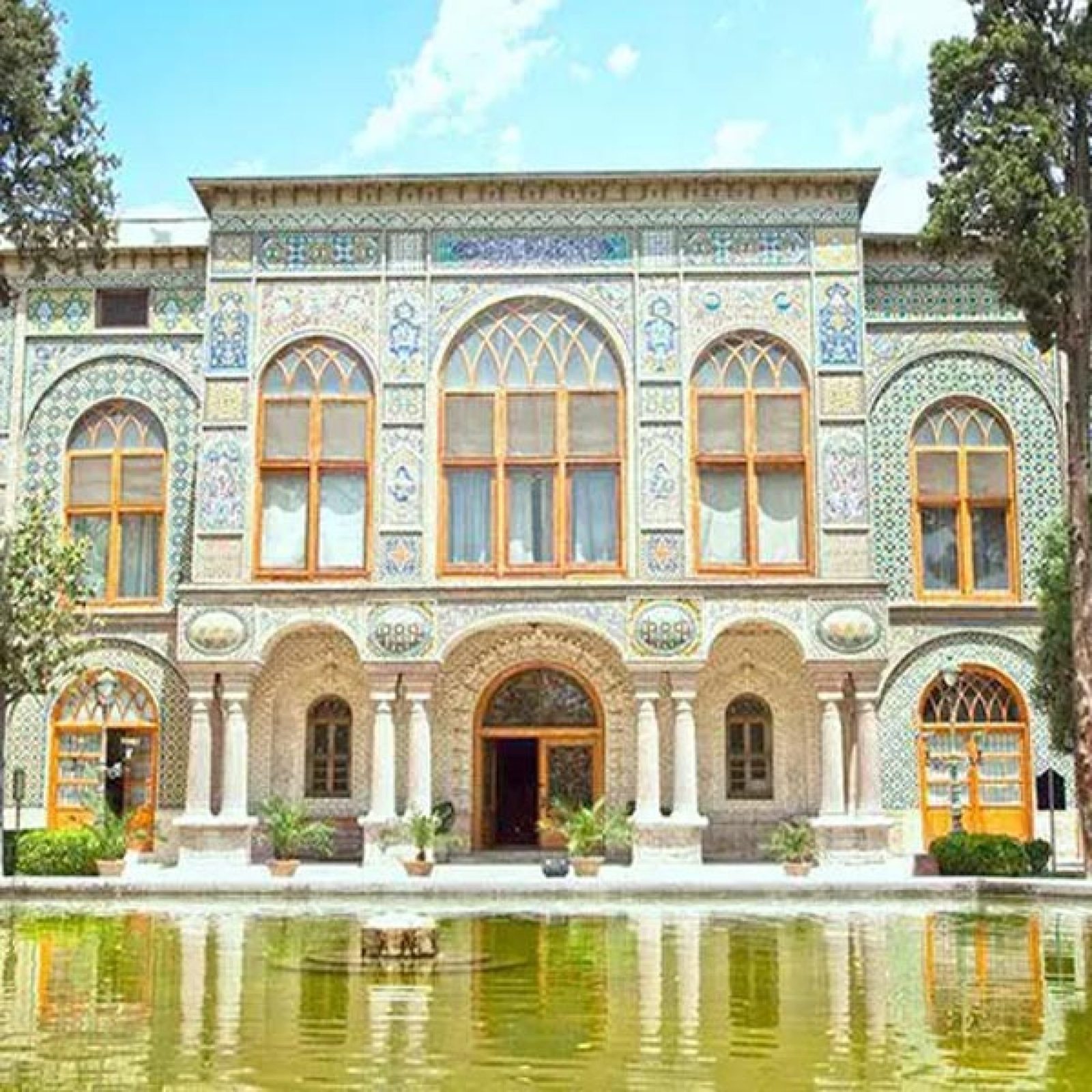
A full day in the capital. Golestan Palace, the Qajar royal complex at the heart of old Tehran, sets up everything you will see later — mirrorwork, tiled façades, garden courtyards. The National Museum of Iran then compresses several thousand years of Persian history into a couple of manageable hours, and the Grand Bazaar delivers the noise, tea and negotiation that no museum can. Our Tehran destination page has more on how to spend an extra day here if your schedule allows.
Leave the capital behind on a short drive of roughly two hours to the desert-edge town of Kashan. The afternoon belongs to its extraordinary merchant houses — Tabatabaei and Borujerdi, with their wind towers, sunken courtyards and carved plasterwork — and to Fin Garden, a UNESCO-listed Persian garden whose spring-fed channels have been running for centuries. End at Agha Bozorg Mosque, whose sunken courtyard is one of the quietest spaces in Iran at dusk.
A mountain detour to Abyaneh, the ochre-red village on the slopes of Karkas where older residents still wear distinctive floral scarves and the lanes are barely wide enough for two people. From there the road continues south to Isfahan, arriving in time for an evening stroll along the Zayandeh Rud and its historic bridges — Si-o-Se Pol and Khaju — which fill with families, buskers and singers after dark.
One of the largest public squares in the world, laid out under Shah Abbas I in the early seventeenth century and inscribed by UNESCO in 1979. You will need most of a day: the Shah (Imam) Mosque for its acoustics and cobalt tilework, Sheikh Lotfollah for its extraordinary shifting dome, Ali Qapu for the view down over the square, and the arcades in between for miniature painting, enamel and khatamkari inlay. See our Isfahan guide for the layout.
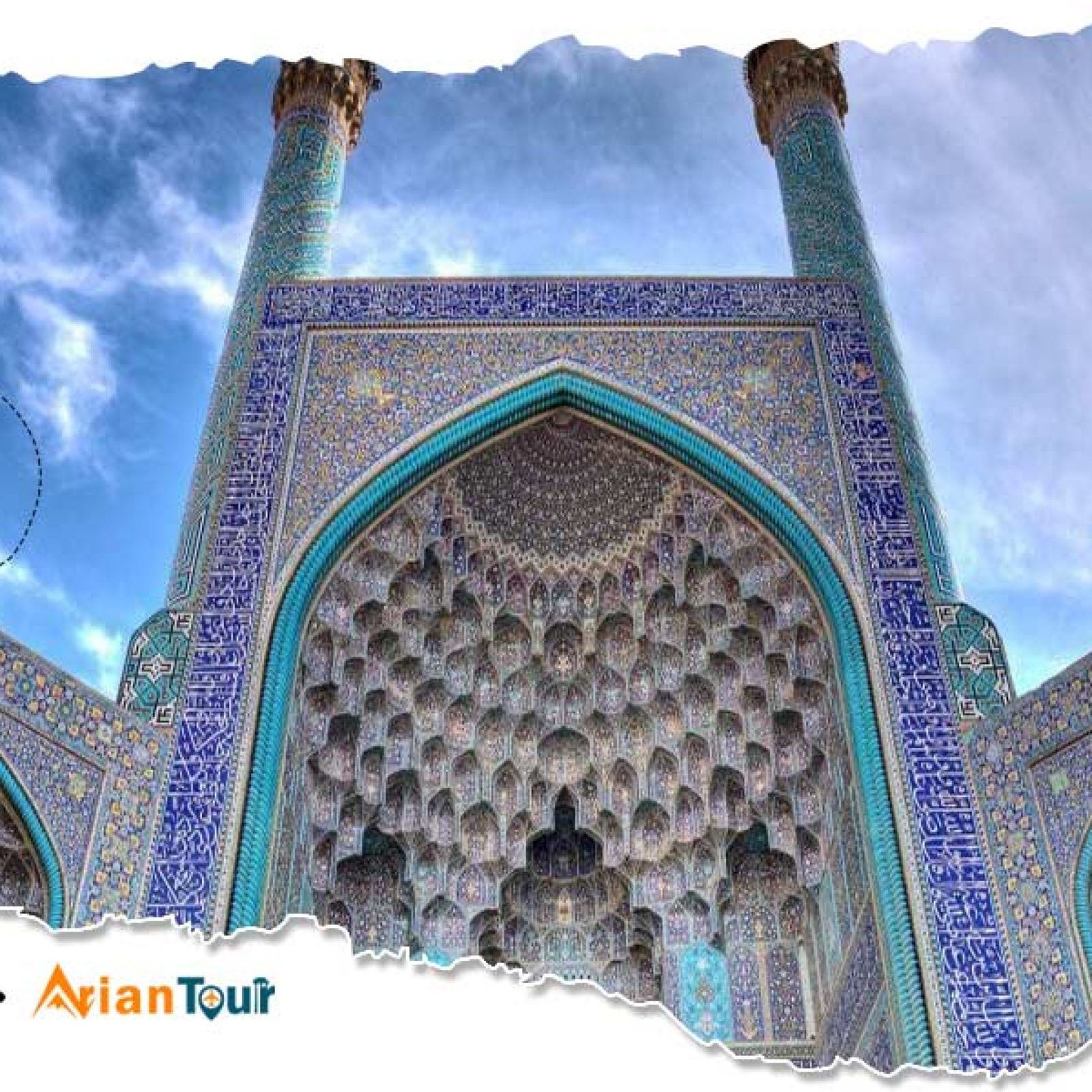
The second Isfahan day goes deeper. The Jameh Mosque is effectively a museum of Iranian architecture in one building, with work spanning some nine centuries. In the afternoon, cross to the Armenian quarter of Jolfa for Vank Cathedral, then lose an hour or two in the Grand Bazaar with a workshop visit — our craft experiences put you beside the artisans rather than in front of a display case.
Isfahan is the city travellers ask us to extend. Three nights is the minimum we recommend; almost nobody regrets a fourth.
A driving day, but a rewarding one. Nain's Jameh Mosque is among the oldest in Iran, and Meybod adds a mudbrick caravanserai, an ice house and a pigeon tower — a compact lesson in how people engineered comfort out of a desert. Arrive in Yazd for sunset over the old town's rooftops and badgirs.
Yazd's historic core joined the UNESCO list in 2017, and it remains fully inhabited: earthen lanes, wind towers, qanats and covered passageways still in daily use. Work through Amir Chakhmaq Complex, the Jameh Mosque with its soaring twin minarets, and Dowlatabad Garden, then visit the Zoroastrian Fire Temple and the Towers of Silence on the city's edge for a different layer of Iranian history. Yazd anchors our Deserts & Oases journeys.
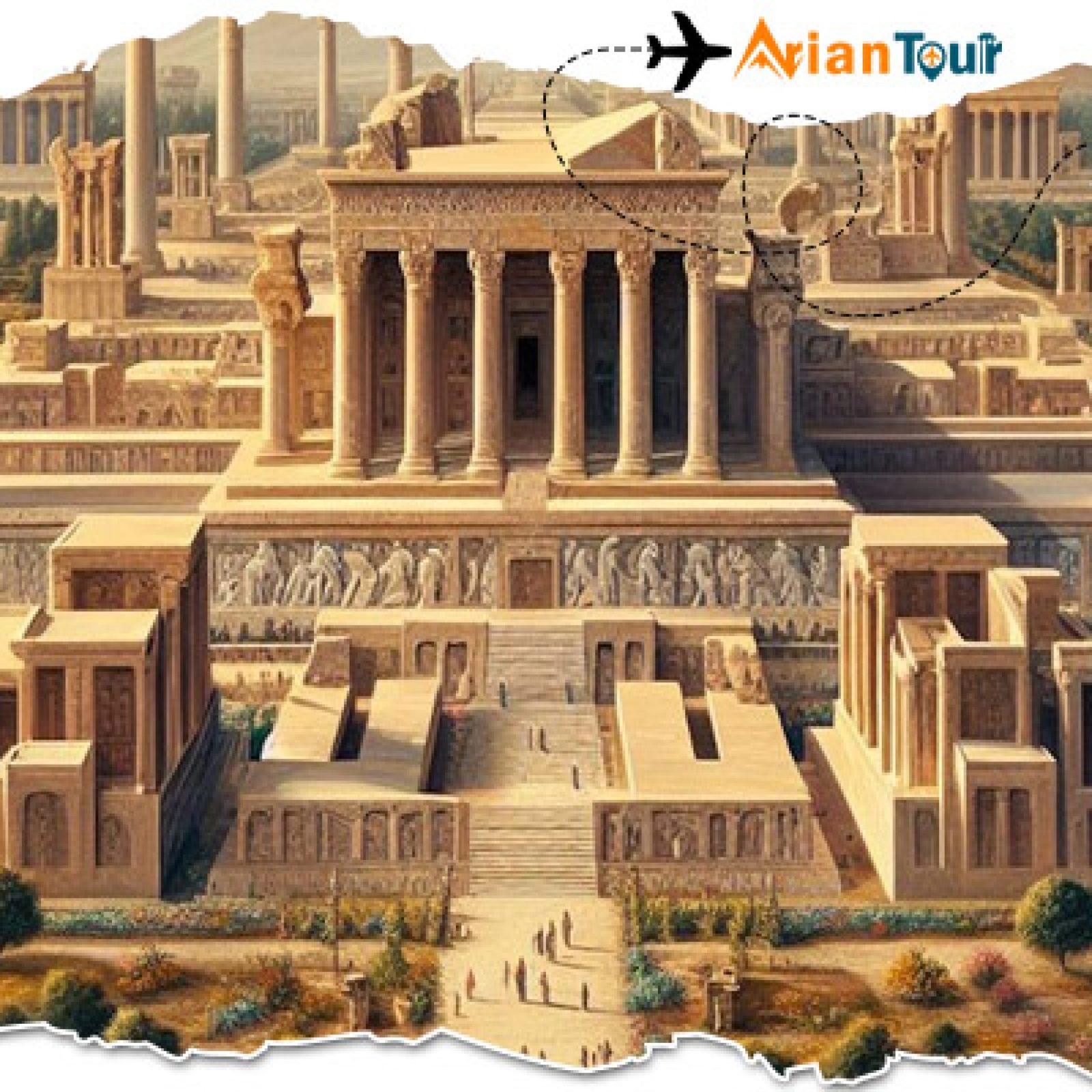
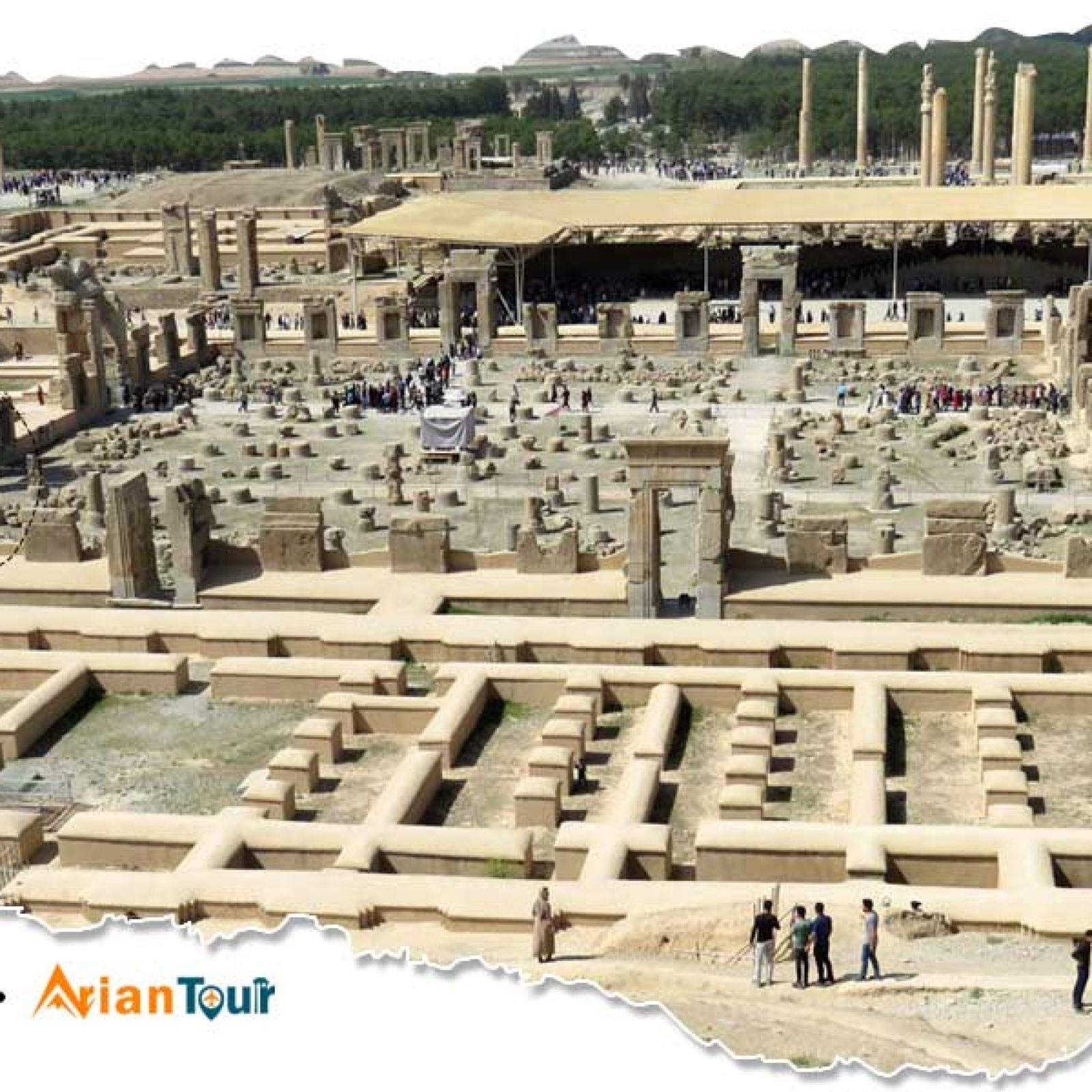
The longest and probably the most memorable driving day. Pasargadae holds the tomb of Cyrus the Great and the remains of the first Achaemenid capital; Persepolis, founded by Darius the Great around 518 BCE, follows an hour further on — a ceremonial city of monumental staircases, bull-headed columns and reliefs of tribute-bearers from across the empire. Add Naqsh-e Rostam's rock-cut royal tombs if the light holds, then continue into Shiraz for the night.
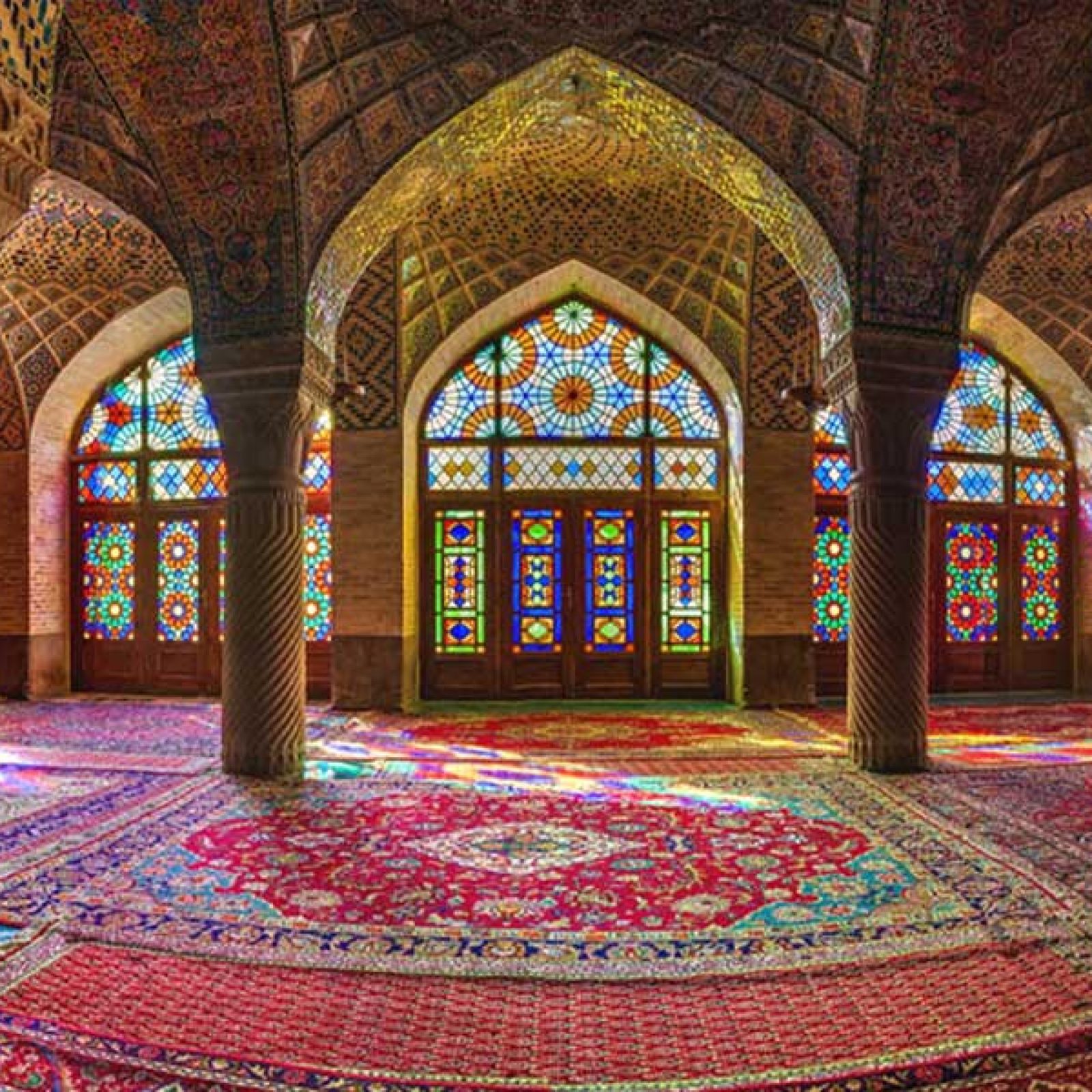
Start early at Nasir al-Mulk Mosque, where morning sun through stained glass throws colour across the carpets, then walk the Vakil complex — mosque, bathhouse and one of Iran's most atmospheric bazaars. Finish where Shirazis themselves go: the tomb of Hafez, among cypresses and roses, where people still read poetry aloud to one another. Fly out from Shiraz, or connect back to Tehran. More ideas on our Shiraz page.
Ten days is flexible. Travellers short on time can cut Kashan and fly Tehran–Isfahan, saving the better part of two days. Those with a fortnight usually add Kerman and the Kaluts, the Caspian north, or the islands of the south. If your trip falls in high summer, we reverse the pacing — early starts, long lunches, evening sightseeing — and if you are travelling in spring, expect Nowruz crowds at the headline sites in late March. This route is the backbone of our Classic Persia programme, and every element of it can be reshaped as a tailor-made itinerary.
Distances here are real: Tehran to Kashan is a comfortable two hours, but Yazd to Shiraz with two archaeological stops is a full day on the road. International bank cards do not work in Iran, so budget in cash or ask us about a prepaid tourist card, and factor in that most travellers need a visa arranged in advance. Modest dress applies countrywide. Our travel FAQ covers visas, money, connectivity and dress code in detail.
If this route looks close to the trip you have in mind, tell us your dates and pace and we will shape it around you — private guide, private driver, and hotels chosen for character rather than star count. Plan my trip.
Published by Arian Tour — Iran travel specialists. This is a sample itinerary; opening hours, road conditions and site access change with the season, and we confirm every detail when planning your trip.
 Plan Your Visit
Ten days, five cities, your pace — we build the whole journey around your dates and interests.