Persepolis, one of the most magnificent historical sites in Iran, is a symbol of the power and artistry of the Achaemenid Empire. Located near Shiraz in the Fars province, it was founded during the reign of Darius the Great (521–486 BCE) and later expanded by Xerxes I and Artaxerxes I. Persepolis served as the ceremonial capital of the Achaemenid dynasty, featuring impressive architecture, exquisite carvings, and remarkable artistic achievements that reflect the advanced civilization of ancient Persia.
The History of Persepolis
Darius the Great established Persepolis as a center for royal ceremonies and governance. His successors, Xerxes I and Artaxerxes I, added new structures, further enhancing its grandeur. For nearly two centuries, Persepolis remained a vital political and cultural hub until it was set ablaze by Alexander the Great in 330 BCE during his conquest of Persia.
Architecture of Persepolis
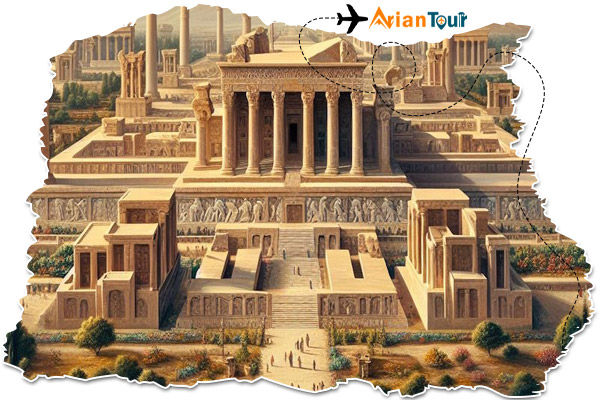
The architecture of Persepolis showcases a blend of artistic mastery and advanced engineering. The city was built on a massive stone terrace, varying in height from 8 to 18 meters. Some of its most notable architectural features include towering columns, grand staircases, majestic palaces, and intricately carved inscriptions.
1. Grand Staircases
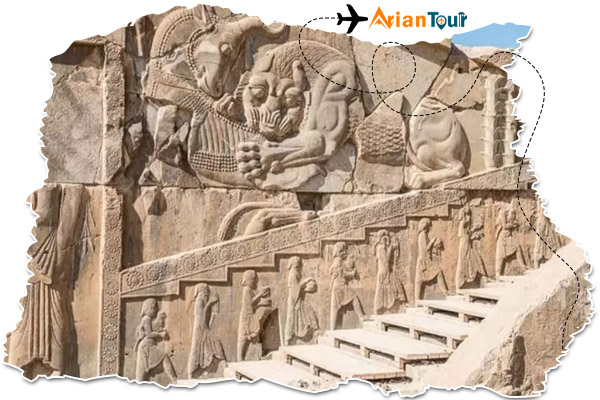
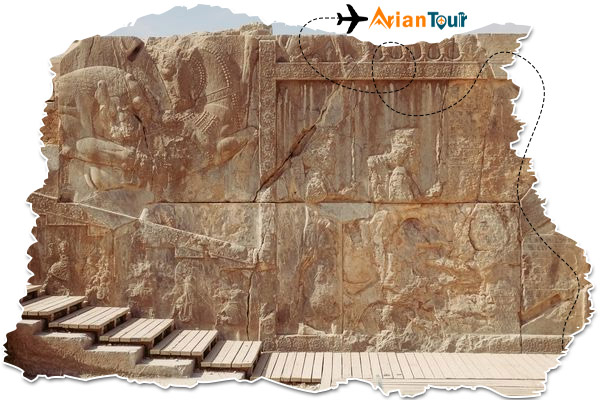
The entrance to Persepolis consists of broad, low-rise staircases, designed to allow dignitaries and nobles to ascend without exhaustion. Alongside these staircases, reliefs depict representatives from various nations presenting gifts to the Achaemenid king, symbolizing the unity of the empire.
2. The Gate of All Nations
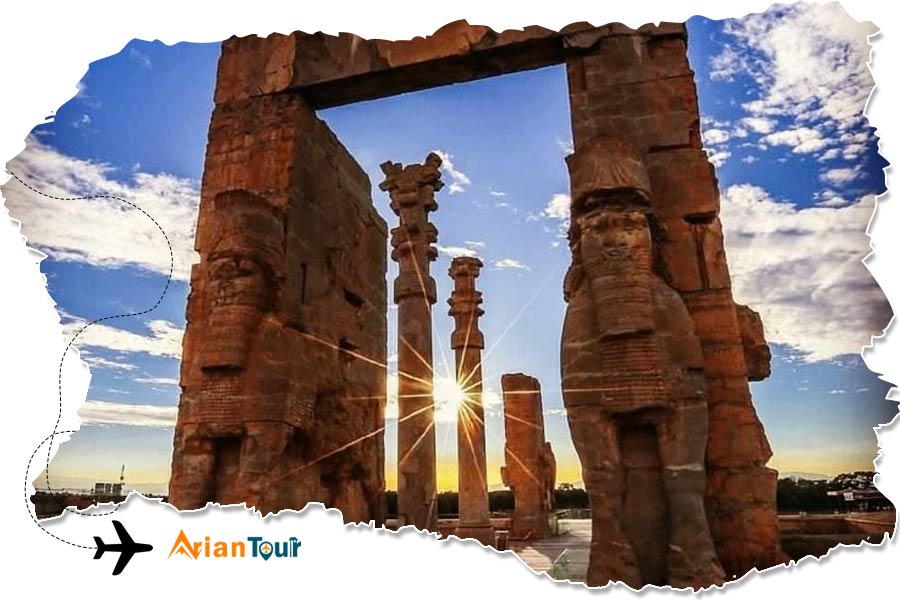
After ascending the staircases, visitors reach the "Gate of All Nations," built by Xerxes I. This grand entrance is guarded by two colossal winged bull statues with human heads, representing divine protection and royal power.
3. Royal Palaces
Several royal palaces stand within Persepolis, the most significant of which include:
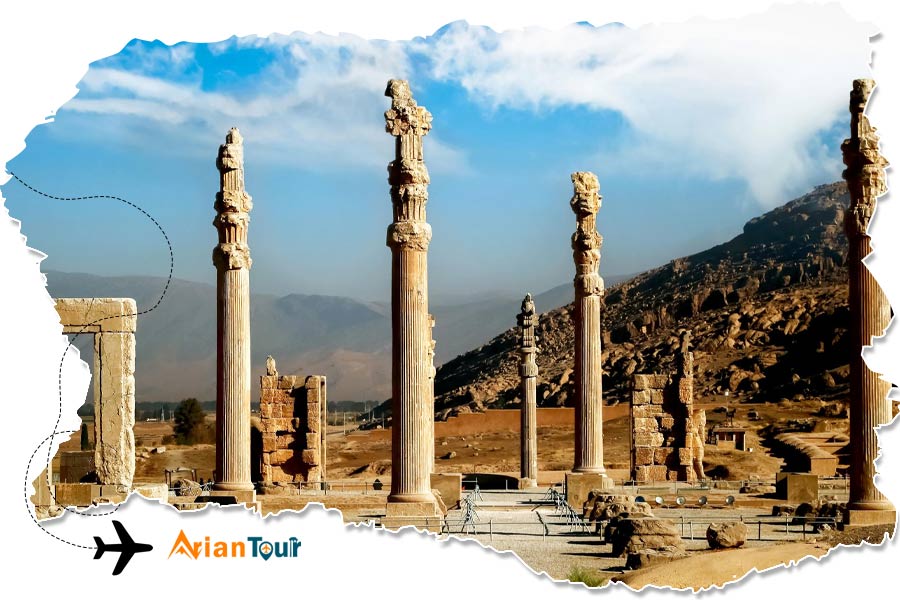
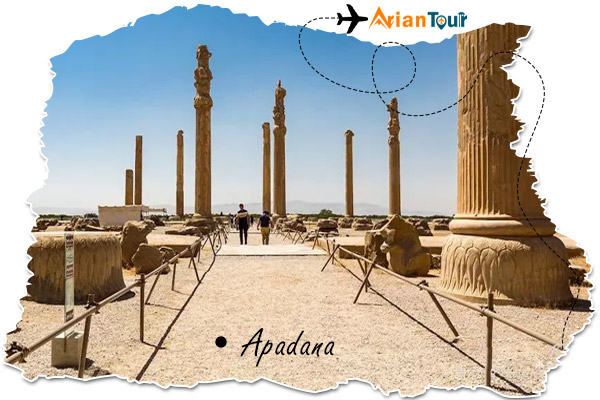
• Apadana Palace: One of the largest and most impressive palaces, originally supported by 72 massive columns. It served as a venue for grand ceremonies and receptions for foreign delegations.
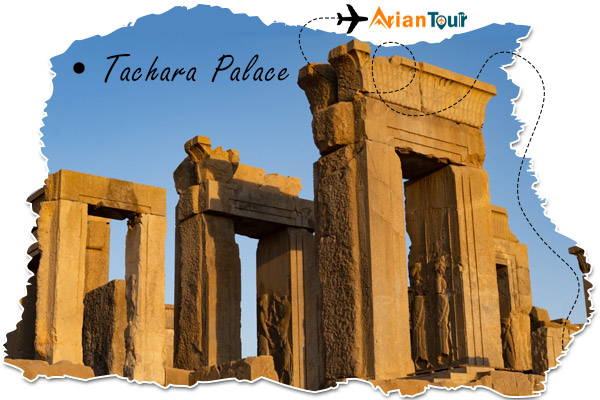
• Tachara Palace: The private palace of Darius the Great, constructed from polished stone, earning it the nickname "Hall of Mirrors."
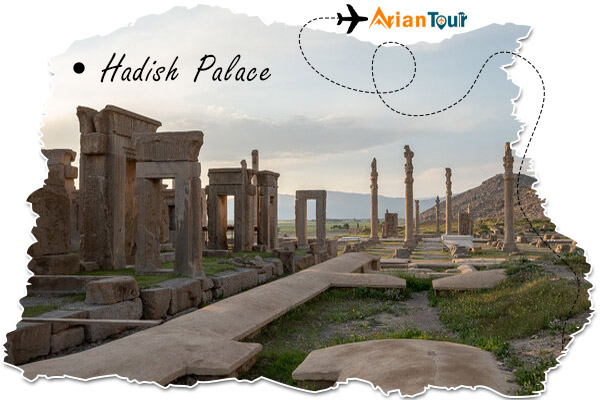
• Hadish Palace: The private residence of Xerxes I, situated at the highest point of Persepolis.
4. The Hall of a Hundred Columns
Built by Xerxes I, this vast hall, supported by 100 massive columns, was used for military gatherings and royal meetings.
5. The Royal Treasury
Persepolis housed an enormous royal treasury, storing vast amounts of gold, jewels, and important administrative records.
Inscriptions and Reliefs
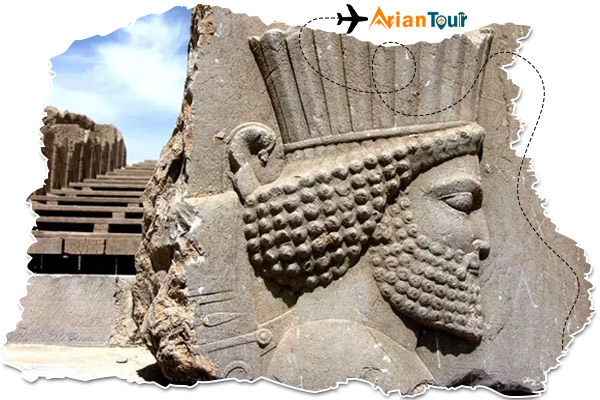
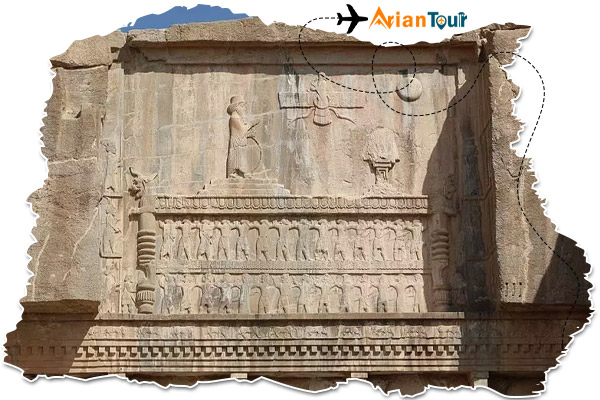
One of the most valuable aspects of Persepolis is its inscriptions and reliefs. These cuneiform inscriptions provide insights into the achievements of Achaemenid kings, their governance, and their victories. The reliefs depict scenes of royal celebrations, processions of tribute-bearing nations, and the grandeur of the Persian court.
The Destruction of Persepolis
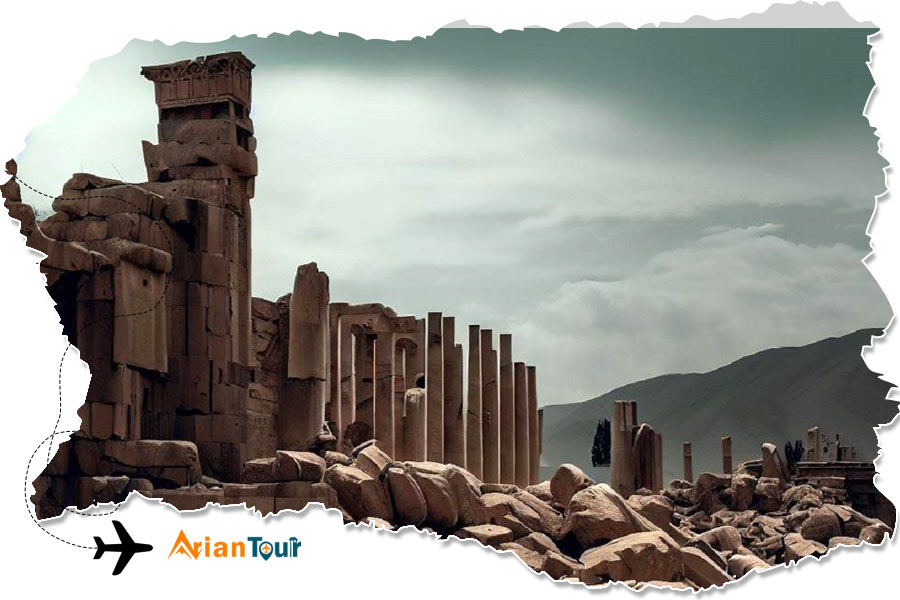
In 330 BCE, Alexander the Great invaded Persia and set fire to Persepolis. Many wooden structures were destroyed in the blaze, but the stone columns, reliefs, and ruins remain intact. Today, the site is protected as a UNESCO World Heritage Site, preserving its historical significance.
Conclusion
Persepolis stands as a masterpiece of ancient Persian architecture, art, and culture, showcasing the grandeur of the Achaemenid Empire. Despite the damage it has endured over the centuries, it remains one of the most significant historical and cultural landmarks in the world. The towering columns, intricate carvings, and royal palaces of Persepolis continue to narrate the story of a once-great civilization that ruled vast territories across the ancient world.


 English
 العربية



0 Comment